 2-5 day delivery
 100.000+ satisfied customers
 Satisfaction Guarantee













What is dry shampoo and how does it work?
Dry shampoo uses oil-absorbing ingredients to make roots look less greasy. Some formulas also add texture or lift. This differs from washing your hair and scalp: regular washing removes oil and product residue. Use dry shampoo for a temporary refresh rather than postponing a wash your hair needs.

Choose for your hair color and needs
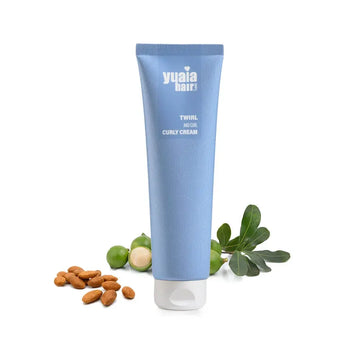
Sprays and powders have different formulas. Residue can be more noticeable on dark hair, while too much product can weigh down fine hair. Check ingredients and directions and assess your own result. Read about Texture Dry Shampoo from Yuaia Haircare to compare an option. A natural label does not guarantee a product will suit everyone.


How to use dry shampoo
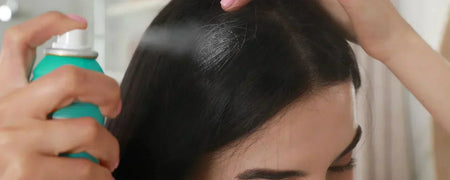
Apply to dry hair and follow the label for shaking, distance and waiting time. Section your hair if helpful and apply a little at the roots that need it. Start small and distribute gently as directed. Brush or comb out excess if appropriate for your hair type. Avoid covering dry lengths with extra product.

When and how often should you use it?
A busy morning, travel or a quick refresh can be suitable occasions. No single frequency fits everyone. Follow the label and your scalp's needs; wash instead of adding layers to coated hair. Let wet hair dry after exercise before application. Dry shampoo does not remove sweat or replace washing.

Is dry shampoo bad for your hair?
The answer depends on the product, person, amount used and wider washing routine. Too much can leave hair stiff, gritty or visibly coated. Reduce the amount or wash when it builds up. Dry shampoo is neither a scalp treatment nor a guarantee against greasy hair.
Can dry shampoo cause an itchy scalp?
Some people experience itching or irritation with a product or accumulated residue. Itching can have other causes, so do not diagnose it from dry shampoo alone. Stop the product that bothers you and avoid covering discomfort with extra layers. Wash gently to remove residue. Seek medical assessment for persistent or worsening irritation.
How to remove dry shampoo and buildup
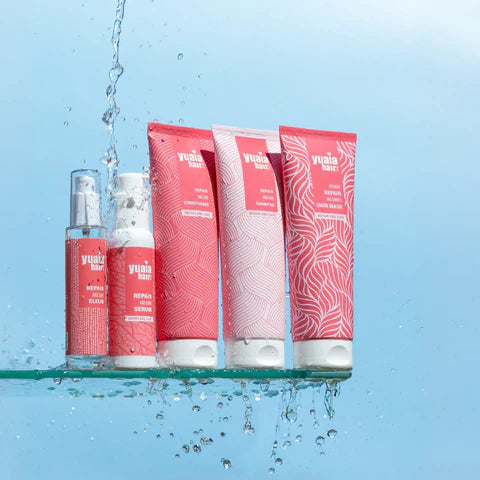
Gently comb out visible excess without scratching the scalp. Then wash with shampoo and water, massage the roots gently and rinse well. A second wash may help if residue remains, but is not compulsory every time. Explore Repair and Care as a specific washing and care option. Apply conditioner or a mask to lengths that need care according to its directions.


Avoid white residue and adapt to your hair type
Start with small amounts, keep the label's spraying distance and allow its stated time before distributing. Avoid repeated sprays on one spot. For curls, gentle finger distribution may suit better than brushing out the style. If roots still feel heavy, more dry shampoo is not necessarily the answer. Wash when your hair and scalp need it.


Dry shampoo before or after styling?
Use dry shampoo before styling if you want to refresh the roots and distribute the product before shaping your hairstyle. Hair should be dry; follow the product's spraying distance and waiting time. After styling, a small amount at the roots that need it can provide a refresh. Distribute gently to avoid disturbing the style and avoid adding product to the lengths. If you use heat tools, follow the dry shampoo's safety directions and do not spray near heat or an open flame.

Frequently asked questions
Can I use dry shampoo every day?
Do not let it replace regular washing. Follow the label and adjust to residue and your scalp's response.
Can I apply it to wet hair?
Regular dry shampoo is for dry hair. Follow the particular product's instructions.
What should I do if my scalp itches?
Stop the product, remove residue gently and seek medical assessment for persistent or worsening irritation.


