 2-5 day delivery
 100.000+ satisfied customers
 Satisfaction Guarantee











What is a French bob haircut?
In essence, the french bob haircut is defined by its simplicity and proportions. A french bob haircut is typically cut at chin length or slightly above, often sitting around the jawline or cheekbones. It is shorter than a traditional bob and is intended to highlight facial features rather than frame the neck and shoulders.
The defining features of a french bob haircut include softly textured ends, natural movement and a light, airy shape. Many versions also include bangs , such as blunt bangs, wispy bangs or curtain bangs, though bangs are not mandatory. The goal is never perfection but a relaxed finish that feels natural and easy.

Why the french bob haircut is trending
The french bob haircut fits perfectly into current beauty trends that prioritise natural texture, low maintenance styling and individuality. Instead of sharp lines and heavy styling, this haircut lets the hair fall naturally and move freely.
Another reason for its popularity is versatility. The french bob haircut can suit formal settings just as well as relaxed, casual wear, depending on how it is styled. It also works well with both straight and textured hair, making it suitable for many different people.
Messy french bob haircut inspiration
The messy French bob is a relaxed take on the classic bob, characterized by an easy, undone look. Rather than relying on sharp lines or perfect symmetry, this style focuses on texture, movement and natural variation. Slightly uneven ends, soft layering and loose waves give the haircut a modern, lived-in feel that looks stylish without appearing overworked.
One of the key appeals of the messy French bob is its low-maintenance approach to styling. Air-drying works particularly well, especially when paired with a light texturising spray or a small amount of styling cream to enhance movement. Soft, loosely defined waves can add extra dimension, but the haircut is meant to look good even with minimal effort.
Because it holds its shape so well, this style is ideal for those who want a haircut that feels current and intentional while remaining easy to manage in everyday life.
Wavy french bob inspiration
A wavy french bob haircut highlights the natural beauty of waves and creates a relaxed look with natural flow. The shorter length enhances volume, making the style feel light and relaxed without appearing overly styled. This makes the wavy french bob especially flattering for naturally wavy hair, as it works with the hair’s texture. It also suits straight hair, where waves added with styling tools help bring shape and dimension to the cut.
Gentle layering is essential for achieving a balanced wavy french bob haircut. Light layers prevent the hair from looking heavy or forming a triangular shape, allowing waves to fall naturally around the face. The style works equally well with or without a fringe, depending on the desired look.
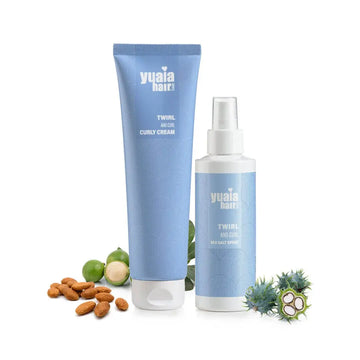
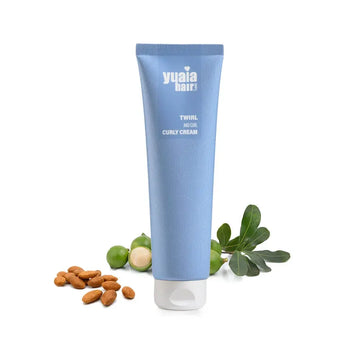
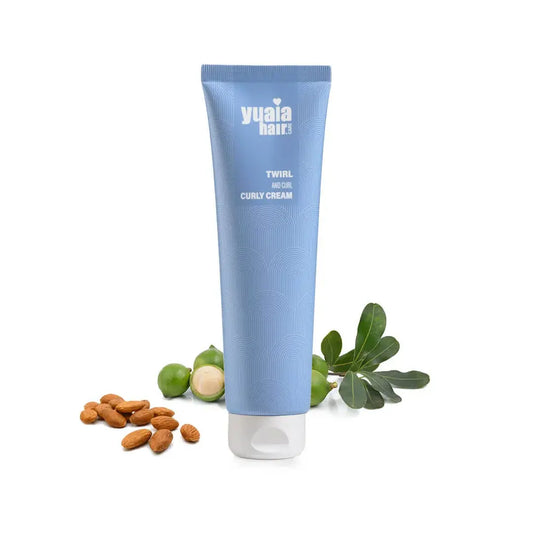
Styling a wavy french bob haircut is usually low-effort. A lightweight curl cream or wave-enhancing product helps define texture while keeping the hair soft, flexible, and full of natural movement.
Other popular french bob variations
Aside from messy and wavy versions, the French bob offers a wide range of variations that can be adapted to suit different styles, face shapes, and personal preferences. One popular option is a sleek, low-texture French bob, defined by clean lines and a smooth, polished finish. This version leans toward a more refined and minimalist look, making it especially appealing for those who prefer understated styling and sharp structure.
Micro bangs are another well-known variation, often chosen to add a bold, fashion-forward element to the cut. Shorter fringe lengths draw attention to the eyes and cheekbones while giving the classic French bob a modern, editorial edge. For a softer approach, many opt for face-framing layers, which help soften the overall silhouette and introduce gentle movement around the face without altering the bob’s distinctive shape.
Length adjustments also play a role in personalising the cut. While the traditional French bob sits around the chin, slightly longer versions offer more versatility and styling options, especially for those transitioning from longer hair.
Colour choices further enhance the style. Soft highlights, balayage, or subtle tonal shifts can add depth and dimension, particularly in shorter cuts where colour variation becomes more visible. Together, these variations make the French bob a highly adaptable hairstyle that works across many aesthetics and lifestyles.
How to ask for a french bob haircut
When asking for a french bob haircut, be clear about the length, as this style is typically shorter than a classic bob and usually sits around the jawline or slightly above. Mention whether you prefer a blunt finish or softly textured ends, as this affects how structured or relaxed the cut appears.
Reference images are helpful for showing whether you prefer a messy, wavy, or more polished french bob haircut. Visual examples make it easier for the stylist to understand your expectations and reduce the risk of miscommunication.
It is also important to talk about your hair texture, density, and natural movement. Let the stylist know how you usually style your hair and how much maintenance you prefer, so the french bob haircut works naturally with your routine and keeps its shape between salon visits.

Easy care and styling for a french bob
One of the advantages of the french bob haircut is how simple it is to maintain. The style naturally keeps its form, which means day-to-day styling can stay minimal without the hair looking unfinished.
This makes it well suited to everyday routines, where the focus is on ease rather than precision. The french bob works with natural texture and movement, so it does not rely on heavy styling or constant adjustments to look intentional.
Keeping the haircut looking its best usually comes down to a few simple habits rather than a complex routine:
- Regular trims ensure the shape stays sharp and symmetrical.
- Lightweight styling products are usually enough to enhance texture and movement.
- Avoid excessive heat styling to keep your hair in good condition.e the natural, relaxed look.
- Letting the hair air-dry or using gentle styling techniques keeps the style soft and relaxed.
These simple habits help the french bob stay fresh, easy to style and suited to its naturally relaxed style.


Why the french bob remains a classic
The french bob haircut remains a timeless yet modern style that balances structure with softness. Whether worn messy, styled with natural waves or finished with a more classic, put-together look, it offers versatility that adapts to different styling preferences. The style suits different hair textures and face shapes, making it easy to adapt to individual style without losing its character.
Frequently asked questions
Does a french bob haircut suit all face shapes?
The french bob haircut can be adapted to suit most face shapes. Small adjustments to length, layering, and fringe placement can be used to balance facial proportions, making the cut flattering for round, oval, square, and heart-shaped faces.
Is a french bob haircut high maintenance?
No, the french bob haircut is known for being relatively low maintenance. Its relaxed shape works well with natural texture, meaning it does not require daily heat styling. Regular trims help maintain the shape, but everyday styling can remain minimal.
Can a french bob haircut work with fine hair?
Yes, a french bob haircut can work very well for fine hair. The shorter length often creates the appearance of more volume, especially when combined with light layering or natural texture.
How often should a french bob haircut be trimmed?
To keep the shape looking intentional, trims are usually recommended every 6–8 weeks. This helps maintain the length around the jawline and prevents the ends from losing their structure.
Is a french bob haircut suitable for curly hair?
Lightly curly hair can work well with a french bob haircut, especially when cut with attention to natural curl patterns. The key is soft layering that allows curls to sit naturally without excessive volume.


