 2-5 day delivery
 100.000+ satisfied customers
 Free delivery over £49








What causes hair breakage on the top of the head?
Hair breakage at the top of the head can result from a range of contributing factors, often working together and worsening over time. The crown area is especially vulnerable, as it is frequently exposed to styling, tight hairstyles, and mechanical stress in daily routines.
Tension and friction at the crown
One of the most common causes of breakage in this area is repeated tension. Tight ponytails, buns, braids, or headbands can place stress directly on the crown, especially if worn in the same spot daily. Over time, this stress weakens the strands until they snap. Similarly, friction from hats, rough fabrics, or frequent rubbing against pillows can wear down the hair fibers.
Heat styling exposure
Heat styling is often concentrated on the top of the head, especially during blow-drying or straightening. Without proper protection, the high temperature can cause the strands at the crown to become brittle, dry, and more prone to breakage.

Crown area dryness and high porosity
The top of the head tends to be more exposed to environmental stressors like sun, wind, and pollution. This area may also have higher porosity, meaning it loses moisture more easily. Dehydrated hair is more fragile and breaks more easily, especially when subjected to mechanical stress.
How to fix hair breakage on top of the head
Care can improve softness and manageability. The aim is to reduce further breakage as hair grows; a snapped strand cannot be reattached.
1. Restyle with less tension
To reduce breakage, start by changing how you style your hair. Change where you part your hair regularly and avoid tight hairstyles that pull at the crown. Choose loose buns or soft braids, or wear your hair down when possible. Hairstyles that repeatedly stress the same area of your scalp can worsen breakage, so experiment with crown-friendly looks that distribute tension more evenly across your head.

2. Sleep with protection
At night, use a bamboo pillowcase or wrap your crown in a bamboo bonnet to minimize friction. These materials are much gentler on the hair than cotton, helping to reduce rubbing while you sleep. You can also try protective overnight styles, such as a loose top knot or low ponytail secured with a velour scrunchie, to keep your crown protected and maintain structure.

3. Reduce heat stress
Air drying is ideal, but if you use heat, always apply a heat protectant spray before styling. Use the lowest effective temperature setting and avoid concentrating heat on the same area repeatedly.
4. Strengthen with targeted treatments
Apply a small amount of conditioner or leave-in to affected lengths as directed. Avoid rubbing the scalp or layering more product onto an area that already feels greasy.

5. Maintain hydration between washes
In addition to weekly deep conditioning treatments, incorporating daily or every-other-day hydration using lightweight leave-in sprays or creams can maintain softness and prevent further dryness. Be sure to focus application directly on the crown area, especially if it's more exposed to sun or styling tools.


6. Prevention and long-term protection
Preventing future breakage involves a consistent care routine. Give your crown rest days by avoiding heat tools and tight hairstyles a few times a week. Vary your hairstyles to avoid repeatedly putting tension on the same areas of your scalp. Use protective accessories like satin scrunchies, avoid brushing wet hair, and handle your hair gently in general.
Frequently asked questions about hair breakage on top of the head
Can broken crown strands grow back?
Care can improve softness and manageability. The aim is to reduce further breakage as hair grows; a snapped strand cannot be reattached.
When will I see improvement?
There is no fixed timeline. Progress depends on the cause, extent of damage and how much further breakage is avoided. Ongoing thinning or scalp symptoms should be assessed.
Is it breakage or early thinning?
Short strands can be new growth or broken hair. A tapered tip may fit new growth, while a frayed or blunt end may suggest breakage, but appearance alone cannot confirm the cause. Start by reducing tension from tight styles and repeated heat at the crown. Care can improve manageability but cannot reattach a snapped strand. Seek assessment for bald patches, pain or noticeable thinning.
What are the best products and accessories?
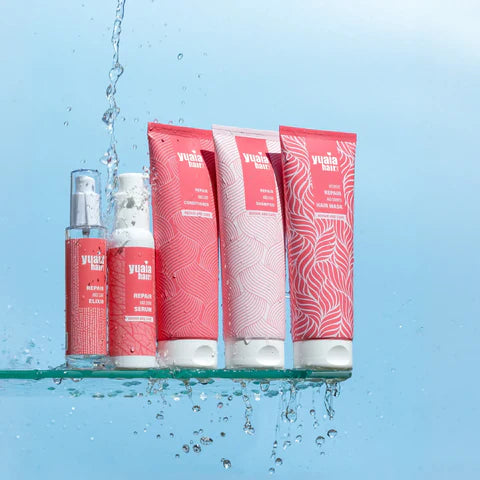
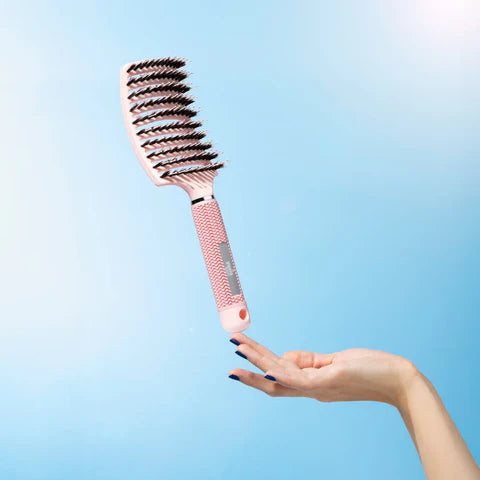
Look for moisturizing leave-ins, bond-building masks, heat protectant sprays, wide-tooth combs, bamboo pillowcases, and gentle hair ties that don’t pull or snag.


