 2-5 day delivery
 100.000+ satisfied customers
 Satisfaction Guarantee











Deep conditioning masks
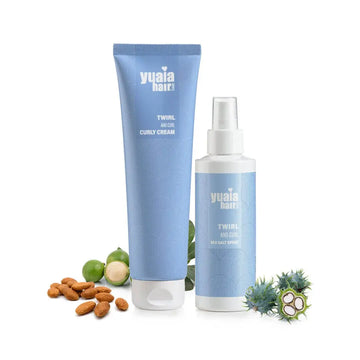
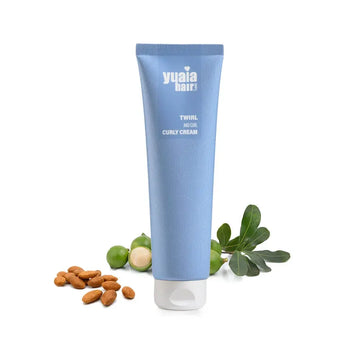
Deep conditioning masks are among the most common hair repair treatments. They are designed to deliver intensive moisture and nourishment to dry, stressed hair and are typically used weekly or as needed, depending on the level of damage. They work by penetrating deeper into the hair shaft than regular conditioners, helping to improve elasticity, softness, and manageability over time.

These masks are often formulated with ingredients such as natural oils, proteins, and vitamins that support the hair’s structure and reduce the appearance of dryness and breakage. Regular use can make hair feel smoother and more resilient, especially when exposed to heat styling, environmental stress, or chemical treatments.
Bond repair treatments
Bond repair treatments work to strengthen the hair from the inside by supporting weakened or broken bonds. These bonds can be affected by coloring, chemical treatments, or frequent heat styling. With regular use, bond repair products help improve hair strength, resilience, and overall durability.
Leave-in treatments and serums
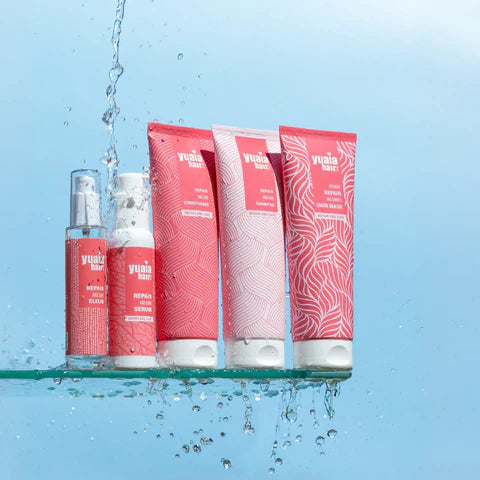
Leave-in treatments and serums are lightweight products that are left in the hair throughout the day rather than rinsed out. They support the hair by forming a light protective layer that helps reduce the impact of humidity, heat styling, friction, and daily environmental exposure. At the same time, they help control frizz, improve manageability, and make the hair easier to style.
Their lighter consistency makes them suitable for frequent or daily use without causing buildup. They can be applied to damp hair after washing to support moisture and smoothness, or used on dry hair to refresh curls, add softness, and tame flyaways. With regular use, they help maintain a smoother texture, improved shine, and a polished appearance without weighing the hair down.

Repair-focused shampoos and conditioners
Repair-focused shampoos and conditioners are suitable for regular use as part of an everyday hair care routine. They gently cleanse the hair while supporting strength and repair, helping to maintain healthier-looking hair over time without stripping moisture or weighing it down.

How to choose the right hair repair treatment
Choosing the right hair repair treatment depends on both hair type and the extent of damage.
Fine hair often responds best to lightweight treatments that help strengthen without leaving hair feeling heavy, while thicker, curly, or textured hair typically benefits from richer formulas that support moisture and manageability. Mild damage, such as dryness or slight breakage, may only require a nourishing mask once a week. More noticeable damage from coloring, heat styling, or chemical treatments often benefits from bond repair products used consistently over time. Paying attention to how hair reacts makes it easier to adjust and maintain an effective routine.
Ingredients to look for in hair repair products
Many hair repair products rely on carefully selected ingredients to support damaged hair and improve its overall condition.
- Proteins such as keratin or hydrolyzed proteins help reinforce weakened areas of the hair strand and support strength.
- Moisturizing ingredients like glycerin, nourishing oils, and plant butters help maintain softness and flexibility, which can reduce the risk of breakage.
- Bond-supporting ingredients are commonly found in advanced repair treatments and are designed to strengthen the internal structure of the hair rather than only improving surface appearance.
Understanding these ingredients makes it easier to choose products that align with specific hair needs.
Best hair repair treatment options to consider
When searching for the best hair repair treatment, it is helpful to consider products tailored to specific hair concerns.
Bond repair treatments are often recommended for chemically treated or heavily damaged hair, as they focus on strengthening the hair from within. Deep conditioning masks are a strong option for dryness, brittleness, and loss of shine, providing intensive moisture and care. Leave-in treatments and serums support daily protection by reducing friction, minimizing breakage, and helping hair retain moisture throughout the day. In many cases, the most effective approach is a combination of treatments used consistently as part of a well-balanced haircare routine.
Salon treatments vs. at-home treatments
Salon treatments typically offer more intensive repair and immediate results, especially for severe damage. These treatments are often performed less frequently and can be combined with at-home care to maintain results. At-home treatments provide flexibility and consistency, allowing hair to be supported week after week. For many, a balance between professional treatments and a strong home routine delivers the best long-term outcome.
Tips for maintaining healthier hair after repair
Maintaining healthier hair after repair involves adjusting daily habits and choosing gentle care practices. To help prevent new damage and support long-term hair health, consider the following tips:
- Reduce heat styling and allow hair to air dry whenever possible
- Use protective products before heat exposure or styling
- Handle hair gently, especially when wet, to minimize breakage
- Schedule regular trims to maintain healthier ends
- Continue using repair-focused treatments to support strength and softness over time

Understanding hair repair treatments
Hair repair treatments improve the look and feel of damaged hair by strengthening and supporting weakened areas, but results depend on consistent use and realistic expectations. Treatments work best when combined with protective habits and products suited to individual hair needs. Finding the best hair repair treatment often involves testing what works best for your hair type, level of damage and routine.


