 2-5 day delivery
 100.000+ satisfied customers
 Satisfaction Guarantee











What is a healthy scalp?
A healthy scalp is the cornerstone of vibrant hair, yet it's often misunderstood. Visually, a healthy scalp should appear smooth and even-toned, typically matching your natural skin color or showing a slight pink hue. It should be free from visible flakes, scales, or redness. Sensory indicators also play a crucial role; an itch-free, comfortable feel without tightness or soreness signifies a healthy scalp. If brushing or touching your scalp causes discomfort, it might indicate an underlying issue.
Balancing oil production
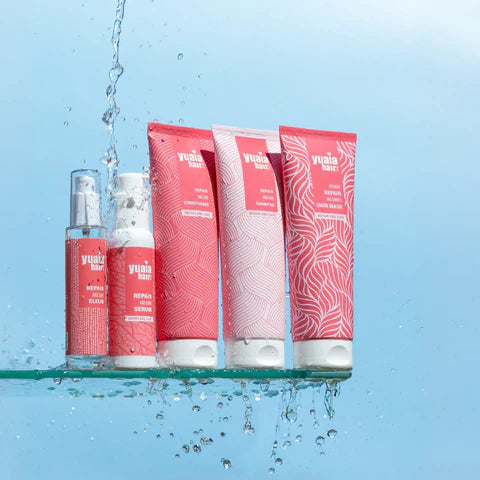
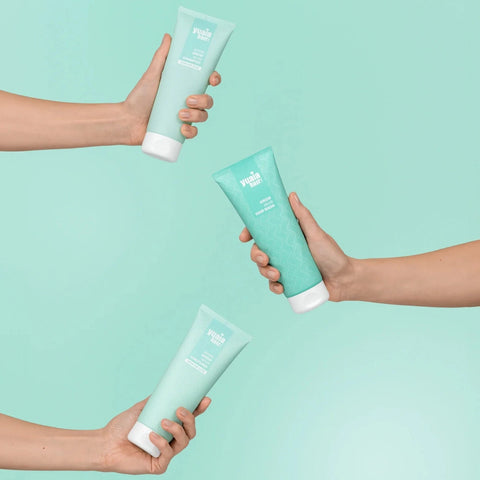
The production of sebum, the scalp's natural oil, is essential for maintaining a healthy scalp. However, balance is key. A scalp that becomes greasy shortly after washing or feels dry and tight lacks this balance. Regular use of a gentle, sulfate-free shampoo can help maintain this equilibrium. Our Grow and Glow shampoo is designed to cleanse without stripping natural oils, supporting a balanced scalp environment.

Sensory comfort
Comfort is an often-overlooked indicator of scalp health. A healthy scalp should not cause any pain or burning sensations during brushing or manipulation. If you experience discomfort, it could be a sign of irritation or an imbalance. If your scalp consistently feels comfortable, this is a positive sign that it is in good condition.
Healthy hair indicators
A healthy scalp supports robust hair growth. When your scalp is in optimal condition, your hair should look shiny, feel elastic, and shed minimally. Typically, losing about 50 to 100 hairs per day is considered normal. If your hair looks dull or you're experiencing excessive shedding, it might be time to assess your scalp health.
Odor and freshness
A fresh, neutral scent is another sign of a healthy scalp. Unpleasant odors, such as sour or musty smells, can indicate an imbalance or buildup of sweat and oil. Maintaining a regular cleansing routine with suitable products can help keep your scalp smelling fresh.
Holistic scalp care routine
Maintaining a healthy scalp involves more than just selecting the right products. A holistic approach includes regular, gentle cleansing to remove impurities and excess oil without stripping the scalp of its natural moisture. Hydration is key, so using a moisturizing conditioner can help lock in essential moisture. Additionally, stress management techniques such as yoga or meditation can positively affect scalp health by reducing stress-related issues.

Brushing and scalp health
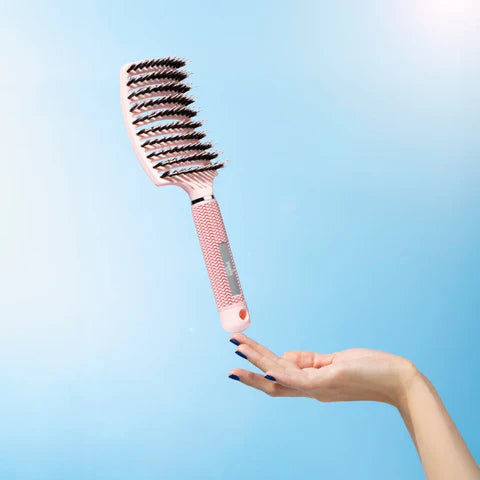
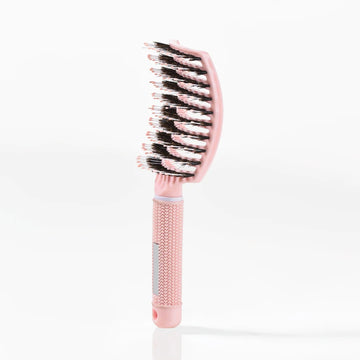
Regular, gentle brushing is an effective way to stimulate blood circulation and evenly distribute natural oils across the scalp. This practice can enhance the scalp's overall health and support hair growth. At Yuaia Haircare, we offer the Curvy Brush, which is made to provide a gentle brushing experience that helps maintain a healthy scalp environment.

£21.99
Interactive self-diagnosis
Understanding your scalp's condition can be simplified with a quick self-assessment. Consider creating a checklist to evaluate your scalp's appearance and sensation. Look for signs such as smoothness, even tone, and comfort. If your scalp feels itchy or tight, or appears red and flaky, it may be time to adjust your routine.
Lifestyle integration tips
Integrating scalp massages into your routine can significantly enhance scalp health by boosting circulation and promoting relaxation. Additionally, adopting stress-reducing practices like mindfulness or regular exercise can support a balanced scalp environment. These lifestyle changes, combined with the right products, can pave the way for a healthy scalp and beautiful hair.
Frequently asked questions
How can I tell if my scalp is healthy?
A healthy scalp typically appears smooth, even-toned, and free from flakes or redness. It should feel comfortable and itch-free without tightness or soreness. You can perform a quick self-check by examining these visual and sensory indicators.
What role does diet play in scalp health?
While we don't discuss diet specifics here, maintaining an overall balanced and nutritious diet can contribute to optimal scalp health. Hydration and nutrient-rich foods support your body's natural processes, which can be reflected in the condition of your scalp.
How often should I brush my scalp?
Brushing your scalp gently once or twice a day is usually sufficient. This helps distribute natural oils and stimulates circulation without causing irritation. Using a brush like our Curvy Brush can enhance this process.

£14.99
How to care for a healthy scalp day to day
A practical scalp routine is mainly about keeping the scalp clean and comfortable without over-treating it. Wash frequency and product choice depend on factors such as hair type, scalp condition and how much styling product you use.
Cleanse according to need
Wash when your scalp needs it, concentrating the shampoo on your scalp rather than along the lengths of your hair. Avoid aggressive scrubbing if the scalp is sensitive.
Pay attention to moisture and dryness
If the scalp feels tight or dry, review your wash frequency, water temperature and product choices. A scalp with more sebum or product buildup may instead benefit from more thorough cleansing.
Remove buildup gently
Styling products, dry shampoo and sebum can accumulate over time. A thorough but gentle wash is often enough. If you use exfoliating scalp products, follow the directions and avoid combining many active products at once.
Reduce unnecessary stress on the scalp
Very tight hairstyles, rough brushing, high heat and repeated friction can put additional stress on the scalp.
When should you seek professional advice?
Persistent itching, marked redness, sores, heavy flaking, pain or other significant changes should not be managed with hair-care changes alone. In those cases, professional assessment may be appropriate.


