 2-5 day delivery
 100.000+ satisfied customers
 Satisfaction Guarantee











Short wavy hair
Short wavy styles like pixies and textured bobs offer a lively, effortless appearance and are ideal if you want something low-maintenance that still feels modern and expressive. These cuts bring out natural bends in the hair and add character without requiring much daily shaping. Short lengths also help fine or soft waves appear fuller, since the reduced weight allows the wave pattern to lift more easily.
Medium-length wavy hair
Medium lengths, including shoulder-length cuts and layered lobs, are popular because they highlight the wave pattern while maintaining a balanced silhouette. Soft layers help the hair fall more evenly, giving definition without breaking the natural flow. This length is extremely versatile and works for both polished styles and more relaxed, air-dried looks depending on how the waves are styled or dried. Medium lengths suit most hair densities because they allow movement without adding heaviness.
Long wavy hair
Longer wavy styles benefit from gentle, seamless layers that prevent the hair from feeling too heavy. When the length is well balanced, the waves stay airy, flowing and full of life instead of becoming weighed down or stretched out. Long wavy hair often needs careful shaping to avoid bulk and maintain natural definition, but when layered correctly, the waves expand beautifully and stay easy to manage.
Styling waves: Enhancing natural waves and creating waves
Styling waves focuses on boosting natural movement and creating soft, refined waves with a smoother, more polished look. The goal is to shape and support the natural flow without weighing it down, giving the wavy hairstyle a lively and balanced appearance.
Whether working with naturally wavy hair or creating waves starting from straight hair, the right techniques help achieve a cohesive and effortless result.

Enhancing natural waves
If your hair already has a gentle wave pattern, a few well-chosen techniques can help increase definition without creating heaviness.
Scrunching encourages the natural shape to form as the hair dries, allowing the pattern to develop with more definition. Diffusing supports this process by adding lift and structure through a controlled and gentle airflow, which helps waves dry in a more even and consistent shape.
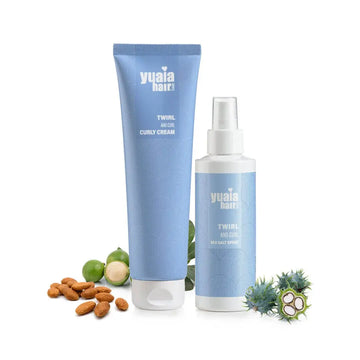
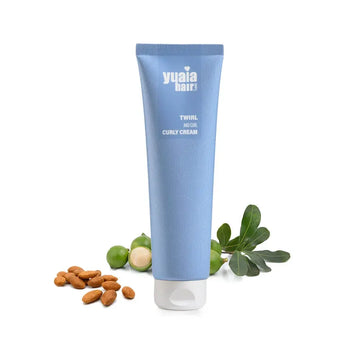
Lightweight curl creams can boost texture by adding a small amount of moisture and soft control, helping waves stay uniform throughout the day without feeling coated. Plopping with a microfiber towel can also assist by reducing frizz and allowing the waves to set before drying.
When combined, these methods refine the movement already present, making the overall wave formation look smoother, more balanced and naturally defined. With the right approach, waves gain clearer shape, maintain their natural bounce and need only minimal styling effort.
[product_2]
Creating waves without natural texture
For those who don’t naturally have waves, there are many techniques that can create soft, seamless movement that still feels natural.
Curling wands remain one of the most dependable options, shaping the hair into loose bends that look effortless, especially when sections are wrapped in alternating directions to avoid a uniform pattern. For a gentler approach, heatless methods like braids, twists, or flexible rods can form waves without exposing the hair to high temperatures, making them suitable for regular use. These techniques also allow greater control over the final look, since you can choose how tight or loose the wave pattern should be. With the right method, a light styling product, and a bit of shaping once the hair is set, the final result can closely resemble naturally wavy hair, offering movement, softness, and a relaxed finish.
Adding structure and hold
Adding structure and hold can make a noticeable difference in how waves form, settle, and last throughout the day. Even small adjustments in product choice or application can strengthen the overall shape and help waves stay defined for longer.
Sea salt sprays, mousses, and texture creams each provide different types of support depending on the look you prefer. Sea salt sprays add a light, gritty texture that creates a beachy, tousled feel and encourages natural movement. Mousses offer lift at the roots, clearer definition, and added structure while keeping the hair light, making them ideal for waves that need extra support. Texture creams give soft control and help smooth the wave pattern, creating a more refined and polished finish.

By selecting the product that aligns with your desired result - whether effortless and relaxed or more shaped and defined - you can enhance the wave’s form, increase hold, and maintain a consistent pattern throughout the day.
Building the right routine
Experimenting with techniques and products helps you understand what your hair reacts well to, making it easier to shape and maintain the wave pattern you prefer. Consistency matters, so once something works, stick with it and adjust gradually to keep the look defined and manageable.
Making wavy hair easier to manage
Making wavy hair easier to manage often starts with understanding how waves naturally shift in shape from one day to the next. Because this texture can be unpredictable, small adjustments in technique or routine can make a noticeable difference in how the waves form and hold.
When waves fall flat, or lose definition, light layering or products that provide subtle lift at the roots can help encourage a more structured shape. If frizz or uneven texture appears, adding moisture through leave-in conditioners, hydrating creams, or gentle styling methods while the hair dries can help waves settle more smoothly and maintain balance.
For those with heavy or thick hair, well-placed layers can be especially helpful, as they introduce movement and keep the shape from feeling weighed down. This also allows the waves to open up naturally rather than bunch together or stretch out.
If you’re transitioning from straighter or curlier textures, experimenting with different routines can be beneficial. Trying variations in product amount, application methods and drying techniques often helps you see what your hair tends to react well to.
Over time, these small changes help waves become easier to shape, maintain and refresh, creating a routine that supports predictable and manageable definition each day.
Frequently asked questions
What wave type do I have?
Wave types generally range from loose (2A) to more defined patterns (2C). Observing your hair when it dries naturally can help you recognise your type.
How often should I cut wavy hair?
Every 8-12 weeks works well for keeping the shape defined and preventing ends from getting heavy.
How can I style wavy hair without heat?
Techniques like braiding, plopping or using foam rollers offer heatless methods for creating soft, defined waves.
Ready to take the next step? Create your new wavy look
Choose a wavy hairstyle from this guide and try it as part of your next look. Explore different techniques, experiment with natural texture and enjoy the movement that waves bring.


