 2-5 day delivery
 100.000+ satisfied customers
 Satisfaction Guarantee











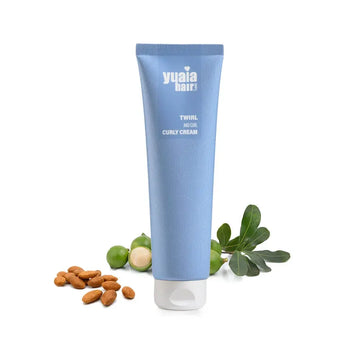


Product buildup and heavy formulas
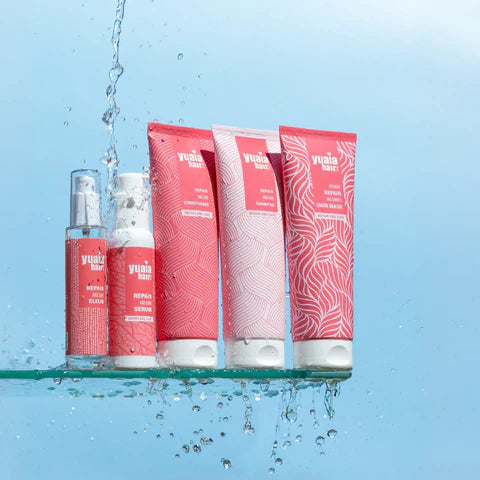
Conditioners, masks and styling products can create a coating around the hair shaft. While this can help smooth and protect the strand, heavy buildup can also trap moisture inside.
Using oils or thick creams, or layering multiple styling products, may increase drying time because these products form a barrier that slows evaporation. If hair consistently takes an unusually long time to dry, occasional clarifying to remove buildup can help restore balance.
Habits that make drying slower
Rubbing hair aggressively with a standard towel can push water deeper into the strand and rough up the cuticle. This may increase frizz while also prolonging drying time.
Applying styling products to soaking-wet hair without removing excess water first can also trap moisture. When products are layered on top of hair that is still dripping wet, the water becomes sealed in rather than released. Removing excess water before applying styling products helps them distribute more evenly and prevents unnecessary moisture from remaining in the hair.
Another habit that can slow down drying is leaving hair wrapped in a heavy towel for too long. Thick towels can trap moisture close to the hair instead of allowing it to evaporate efficiently.
Blow-drying your hair without dividing it into sections is another common mistake. When hair is dried as one large section, the inner layers often stay damp longer because airflow cannot reach them properly. Separating the hair into smaller, manageable sections allows air to circulate more evenly and helps the entire head dry faster.
How long should hair take to dry?
Drying time varies widely depending on hair type.
- Fine, low-density straight hair may air-dry in 30–60 minutes.
- Medium-density hair may take 1–2 hours.
- Thick, dense or curly hair can take several hours to air-dry completely, especially in humid conditions.
- Blow-drying significantly reduces this time, but even then, thick or long hair may require 20–40 minutes if not sectioned efficiently.
How to speed up drying without damage
Speeding up hair drying does not have to involve excessive heat or rough handling. A few small adjustments can help remove moisture more efficiently while keeping the hair fibers protected.
Remove excess water early: Gently squeeze water out of the hair before leaving the shower. Instead of twisting or wringing, press sections of hair between the hands to push water downward. Starting with less moisture helps reduce overall drying time.
Use a microfiber towel: Blot the hair with a microfiber towel rather than rubbing it. Microfiber absorbs moisture efficiently and creates less friction, which helps reduce frizz. Wrapping the hair loosely for a few minutes allows the fabric to draw out additional moisture before styling.

Avoid heavy products on very wet hair: Applying thick products to dripping-wet hair can slow drying. Light, water-based formulas generally allow hair to dry faster. Removing excess water first also prevents products from becoming diluted or sitting on the surface of wet hair.
Use moderate heat with strong airflow: Air movement plays a larger role in evaporation than very high temperatures. Holding the dryer a few inches away and moving it continuously helps remove moisture without overheating the hair.
Improve airflow in the room: Drying hair in a well-ventilated area can also speed up evaporation. Opening a window or using a fan can help reduce drying time, especially in humid environments.
When slow drying may signal a problem
In most cases, slow drying is simply related to hair type and environment. However, sudden changes in drying time could indicate heavy buildup, changes in hair condition or damage that has altered porosity.
If hair feels unusually coated, limp or resistant to drying despite routine adjustments, evaluating product choices and cleansing habits may help restore normal drying behavior.


