 2-5 day delivery
 25.000+ satisfied customers
 Satisfaction Guarantee








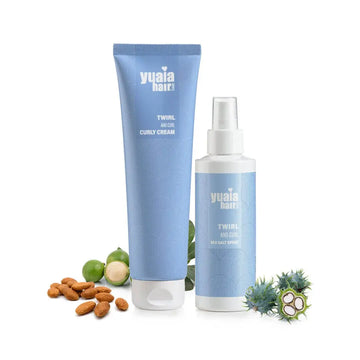

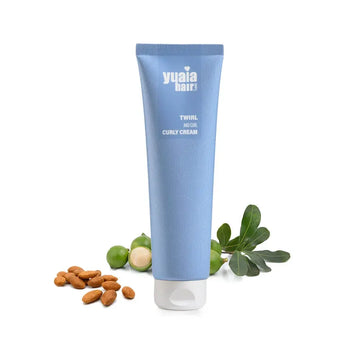


How growth-supporting products fit in
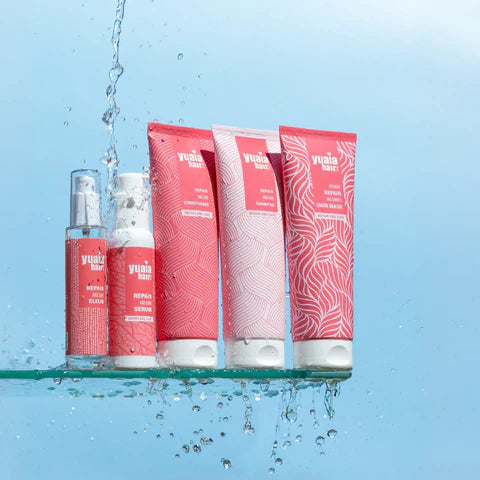
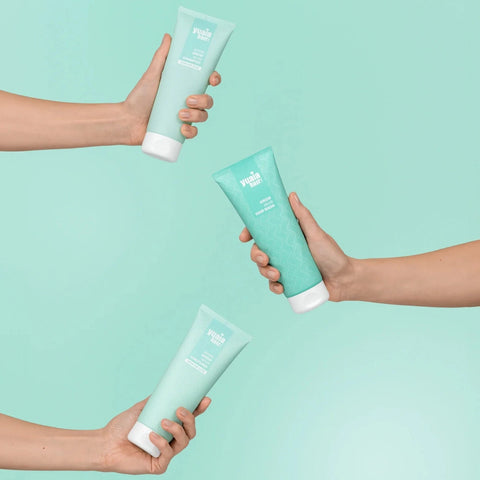
Growth-supporting products matter not because they change biology, but because they help create healthier conditions for both the scalp and the hair itself. When the scalp is balanced and well cared for, hair follicles are better supported throughout the growth cycle. At the same time, strengthening the hair shaft helps strands withstand everyday stress such as brushing, styling, and environmental exposure. Well-formulated growth products can also help improve moisture balance and elasticity, which reduces the likelihood of breakage along the lengths.


When hair experiences less damage and friction, more of the growth that already occurs is retained and becomes visible over time. It’s important to see these products as supportive tools rather than standalone solutions. They work best as part of a broader approach that includes gentle handling, consistent routines, and attention to overall scalp health. Together, these elements give hair a better opportunity to reach its natural length potential instead of appearing to stall due to ongoing damage or imbalance.
How to break through a growth plateau
A hair growth plateau can feel frustrating, especially when length progress seems to stall despite consistent care. Understanding why plateaus happen and how routines can be adjusted helps support continued length retention and healthier-looking hair over time.
Gentle handling and detangling
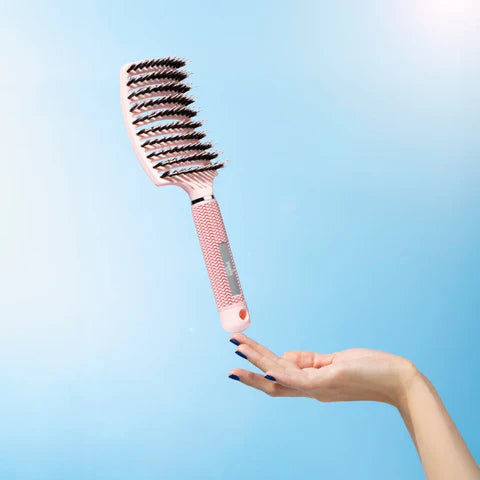
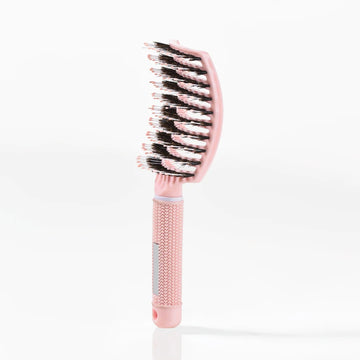
Hair is most vulnerable when wet, which makes careful handling important. Using gentle detangling techniques and suitable tools helps reduce breakage and stress on the strands. Over time, this supports better length retention and stronger, healthier-looking hair.

Heat styling and protection
Frequent heat styling can weaken the hair shaft over time, making hair more prone to dryness and breakage. Limiting heat exposure helps maintain strength and elasticity in the lengths. When heat styling is necessary, using proper heat protection reduces damage and supports the preservation of existing hair growth.

Scalp health and circulation
A healthy scalp plays an important role in creating the right conditions for consistent hair growth. Regular cleansing helps remove product buildup, excess oil, and impurities that may interfere with hair follicles. Gentle scalp massage supports circulation, which helps deliver oxygen and nutrients to the roots. Over time, these habits contribute to a more balanced scalp environment and can support steadier, more even growth. Maintaining scalp health also helps reduce issues such as dryness or sensitivity that may affect overall hair condition, making it an important part of long-term hair care routines.

Hydration and protection of the ends
Hair ends are more exposed and more prone to dryness, splitting, and breakage. Keeping them properly hydrated and protected helps reduce damage and supports visible length retention as part of a consistent hair care routine.
Nutrition and stress management
Hair growth reflects overall health. A balanced diet provides the nutrients needed to support the natural growth cycle, while ongoing stress can disrupt it. Managing stress levels and maintaining consistent nutrition help reduce excessive shedding and support stronger, more resilient strands over time.
Common myths about hair growth
One of the most persistent myths is that trimming makes hair grow faster. Trimming has no effect on growth at the root, which happens inside the scalp, but it does help prevent split ends from traveling up the hair shaft and causing unnecessary breakage. This makes it easier to retain length over time. Another common misconception is that noticeable results come from one single product or treatment. In reality, hair growth and length retention depend on consistent care, balanced routines, scalp health, nutrition, and gentle handling. Long-term improvement usually comes from combining these factors rather than relying on quick fixes.

Frequently asked questions about hair length
Can hair grow forever?
No. Each hair strand has a limited growth phase, which sets a natural maximum length.
Why does hair sometimes look shorter even when growing it out?
Breakage, shedding cycles, and changes in hair texture can all affect visible length.
Why does hair seem to stop growing at the same length every time?
This often happens when breakage matches new growth. Hair may be growing continuously, but damage, dryness, or stress along the lengths prevents visible progress beyond a certain point.
Hair growth is happening - keeping the length is the challenge
Hair doesn’t suddenly stop growing at a certain length - what usually happens is a mix of growth cycles, genetics, and everyday damage that affects how much length is retained. By supporting scalp health, minimizing breakage, and using growth-supporting products as part of a consistent routine, hair has a much better chance of showing the growth it’s already capable of.


