 2-5 dagers levering
 100.000+ fornøyde kunder
 Tilfredshetsgaranti











Common misconceptions about greasy hair
When it comes to understanding why hair gets greasy, there are several misconceptions that can lead to confusion. It's important to address these myths to better manage hair health and avoid unnecessary changes to your routine.
Myth-busting: Touching isn't the main culprit
While touching your hair can contribute to oiliness, it's often not the primary cause. The oils and dirt transferred from your hands play a role, but other factors are typically more significant. For instance, overwashing your hair can strip it of natural oils, prompting your scalp to produce more sebum to compensate. This can lead to a cycle of increased oiliness.
Other contributors to greasiness
Beyond touching and overwashing, several other factors can influence how oily your hair becomes:
- Hormonal changes: Fluctuations in hormones, such as during puberty or menstrual cycles, can increase sebum production, making hair appear greasier.
- Diet: Although a healthy diet supports hair health, certain foods high in fats and sugars might increase oil production.
- Environmental conditions: Humidity and pollution can exacerbate oiliness, as these factors can lead to more dirt and grime settling on your hair.
Effective methods to manage greasy hair
To effectively manage greasy hair, it's crucial to adopt a balanced approach that addresses both the causes and the symptoms of oiliness.
Mindful habits
Reducing the frequency of touching your hair can help minimize oil transfer. Consider adopting mindfulness practices that make you more aware of habits like hair touching, especially during stressful situations.
Clarifying haircare routine
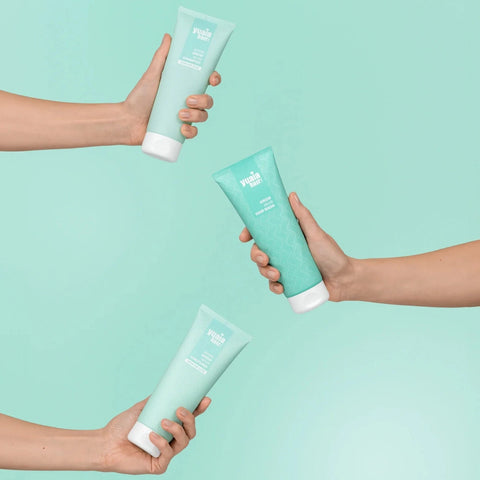
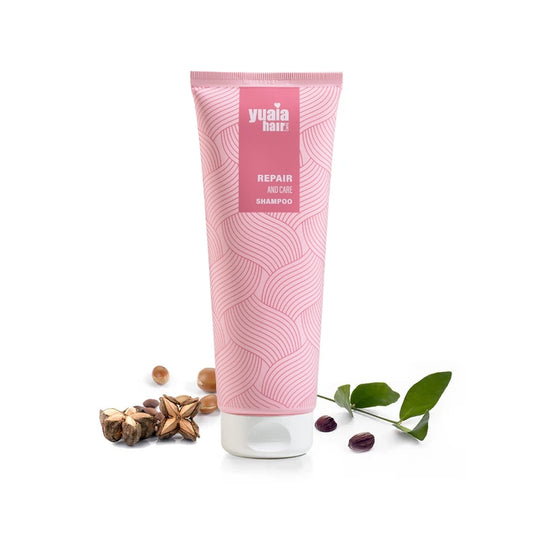
Incorporating a clarifying shampoo into your routine can help remove excess oils without causing rebound oiliness. Opt for sulfate-free options that maintain the natural balance of your scalp. Our sulfate-free shampoos are designed to cleanse effectively without stripping essential moisture.
Styling tips
After styling, try to minimize contact with your hair to avoid transferring oils from your hands. This can help maintain your style for longer and reduce the appearance of greasiness throughout the day.
In the ongoing quest to manage greasy hair, understanding the nuances of how touching your hair contributes to oiliness is vital. While it is clear that touching your hair can transfer oils and dirt from your hands, it is often a secondary factor compared to other contributors. This section delves into additional insights and provides answers to common questions about managing greasy hair.
How often should you wash your hair to prevent greasiness?
Determining the ideal hair washing frequency can be challenging, as it largely depends on your hair type and lifestyle. Washing too frequently can strip your scalp of natural oils, leading to increased sebum production. For most people, washing hair every 2-3 days is sufficient to maintain a healthy balance. Using gentle, sulfate-free shampoos, like our Repair and Care Shampoo, can help cleanse your hair without causing excessive dryness or oiliness.

Rosmarin hårolje
Naturlig hårolje med rosmarin, argan og kokosnøtt - beroliger tørr hodebunn og fremmer hårvekst.189,00 kr 374,63 kr
Can brushing help reduce greasiness?
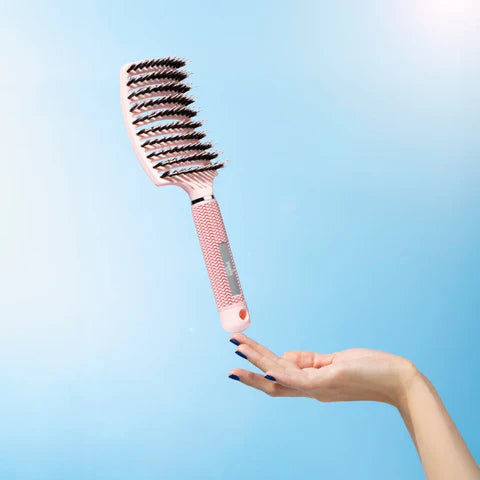
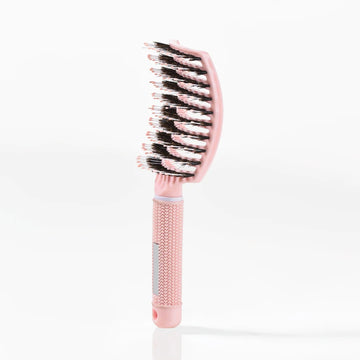
Brushing your hair with the right technique and tools can indeed help manage greasiness. Using a boar bristle brush, such as our Curvy Brush, helps distribute natural oils from the scalp along the length of your hair. This not only reduces the appearance of greasiness at the roots but also adds shine and smoothness to your hair. It's important to brush gently to avoid stimulating the scalp excessively, which could lead to increased oil production.

279,00 kr
Frequently asked questions
Does stress affect hair oiliness?
Yes, stress can indeed affect hair oiliness. Stress triggers the release of hormones like cortisol, which can increase sebum production and lead to greasier hair. Managing stress through relaxation techniques and mindfulness can help in reducing this effect.
Are there quick fixes for greasy hair?
For a quick fix for greasy hair, dry shampoo is an excellent option. It absorbs excess oil and adds volume to your hair without the need for washing. This can be particularly useful on busy days or when you're in between washes.

By exploring these additional aspects and addressing common questions, you can better manage greasy hair and maintain a healthy, balanced scalp. Understanding the role of touching your hair, along with other factors, allows for a comprehensive approach to hair care.


