 2-5 dagers levering
 100.000+ fornøyde kunder
 Tilfredshetsgaranti













Immediate steps for post-bleaching hair care
After bleaching, the first 72 hours are crucial for setting the stage for recovery. During this period, it's essential to treat your hair with extra care to minimize further damage and begin the healing process.
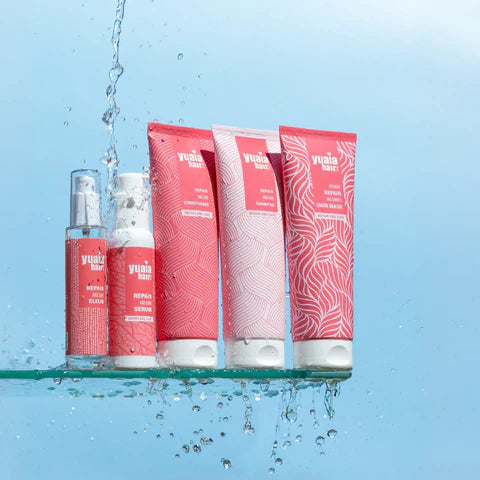
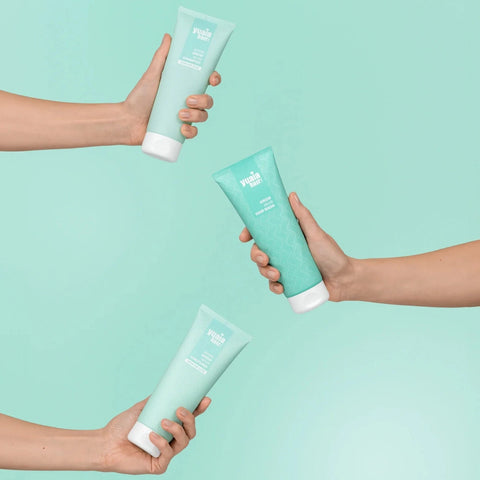
Start by using gentle, sulfate-free shampoos and conditioners to cleanse without stripping your hair of its natural oils. Our Grow and Glow shampoo is an excellent choice for a gentle cleanse that maintains moisture balance.

Hydration and protein balance are key to restoring your hair's strength and elasticity. Look for treatments that combine moisturizing ingredients with strengthening proteins. These treatments help replenish lost moisture and reinforce the hair's structure, which is particularly important after the harsh effects of bleaching.
Incorporating a rosemary hair oil into your routine can further enhance hydration. This lightweight oil nourishes and revitalizes hair, helping to maintain a healthy scalp environment and promote overall hair health.

Rosmarin hårolje
Naturlig hårolje med rosmarin, argan og kokosnøtt - beroliger tørr hodebunn og fremmer hårvekst.189,00 kr 374,63 kr
Long-term recovery and maintenance protocols
For sustained recovery, establish a weekly routine that alternates between protein masks and moisturizing treatments. This balance is crucial for strengthening your hair while preventing it from becoming brittle.
Consider lifestyle modifications to support your hair's recovery. Avoiding heat styling can significantly reduce the risk of further damage. When styling is necessary, always use a heat protectant spray to shield your hair from thermal damage.

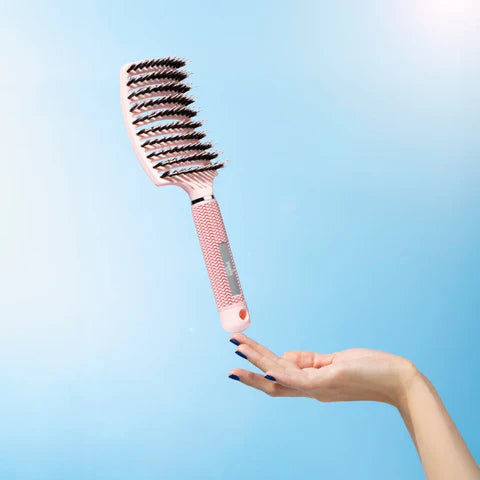
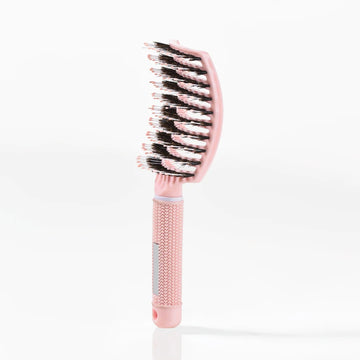
Brushing and detangling should be done with care to prevent unnecessary breakage. Using a Curvy Brush can help you gently detangle your hair, minimizing stress and breakage.

279,00 kr
Sleeping on a bamboo pillowcase can also contribute to hair health by reducing friction and helping maintain moisture levels overnight.
To explore professional treatment options, consider bond-rebuilding treatments that aim to repair the damaged bonds within your hair. These treatments can be beneficial for those seeking to restore their hair's integrity and resilience after extensive bleaching.
How to prevent hair damage before bleaching
Preparing your hair before bleaching is essential to minimize potential damage. Start with strengthening treatments that reinforce the hair’s structure, making it more resilient to the chemical processes. Opt for products that offer deep conditioning and protein treatments to fortify the hair shaft. This preparation helps in reducing the extent of breakage and maintaining hair health post-bleach.
In addition to treatments, adopt a protective hair care routine. Limit the use of heat styling tools and ensure your hair is well-moisturized. Consider using a rosemary hair oil to nourish your hair and scalp. The oil not only hydrates but also promotes a healthy environment for hair to thrive.
Brushing techniques for bleached hair
Proper brushing techniques can significantly impact the health of bleached hair. Bleached hair is more prone to breakage, so it's important to handle it with care. Use a gentle approach when detangling, starting from the ends and working your way up to the roots. This method minimizes tension and reduces the risk of snapping.
At Yuaia Haircare, we offer the Curvy Brush, which is perfect for bleached hair. Made with boar bristles, this brush helps distribute natural oils while gently detangling, reducing stress on weakened strands. Regular use can promote smoother, healthier-looking hair.
279,00 kr
Frequently asked questions
Can bleaching cause permanent hair loss?
Bleaching typically causes hair breakage rather than permanent hair loss. While it can weaken the hair shaft, leading to increased breakage, true hair loss from the root is less common. If you experience significant shedding, consult a hair care professional for personalized advice.
How often should I use protein treatments after bleaching?
After bleaching, it's beneficial to use protein treatments once a week to help restore strength and elasticity. If your hair is severely damaged, you may consider using them twice in the first week. Always follow up with moisturizing treatments to maintain a balance.
What are the signs of chemical alopecia, and when should I seek help?
Chemical alopecia may present as excessive shedding from the root, scalp irritation, or bald patches. If you notice these signs, it's important to seek advice from a hair care professional to assess the condition and explore treatment options.


