 2-4 dagen levering
 100.000+ tevreden klanten
 Tevredenheidsgarantie










Effective moisture retention techniques
To keep hair moisturized all day, understanding and implementing the right techniques is essential. One of the most effective methods is the LCO (Liquid, Cream, Oil) or LOC (Liquid, Oil, Cream) routine. These methods are particularly beneficial for curly and textured hair, which often requires more intensive moisture retention strategies.
The LCO/LOC method explained
The LCO and LOC methods involve layering products in a specific order to lock in moisture effectively. The process begins with a liquid or leave-in product, followed by a cream to provide additional hydration, and finally, an oil to seal in the moisture.
- Liquid: Start with a water-based leave-in conditioner or hydrating mist to provide initial moisture.
- Cream: Apply a moisturizing cream to add an extra layer of hydration.
- Oil: Finish with a natural oil to seal in the moisture and prevent evaporation.
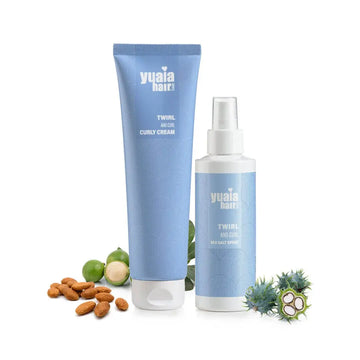
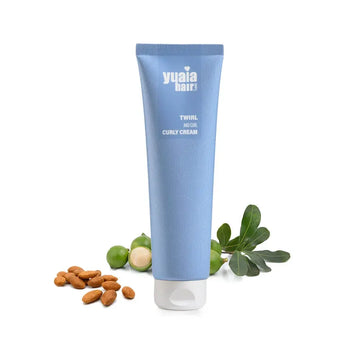
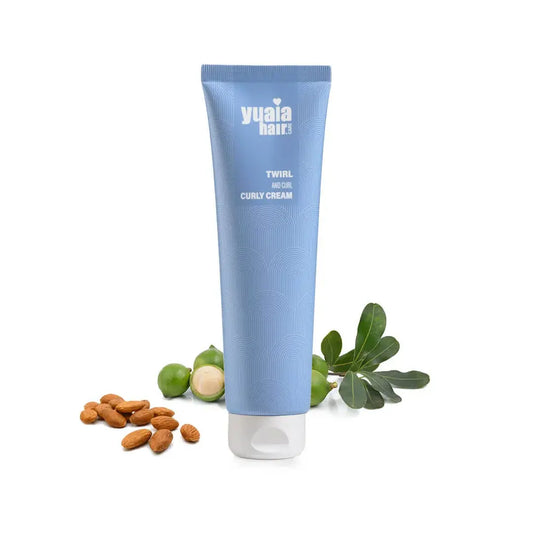
For those with curly hair, using our Twirl and Curl curly cream as the cream step can enhance curl definition while locking in moisture.
The impact of hair porosity
Hair porosity plays a crucial role in how well your hair retains moisture. It refers to your hair’s ability to absorb and hold moisture, which is determined by the condition of the cuticle layer. Understanding your hair's porosity can help tailor your moisture retention routine effectively.
- Low porosity: Hair with low porosity has tightly closed cuticles, making it difficult for moisture to penetrate. Using steam or heat can help open up the cuticles, allowing products to be absorbed more effectively.
- Medium porosity: This type of hair generally holds moisture well and requires a balanced approach with regular conditioning.
- High porosity: Hair with high porosity absorbs moisture quickly but also loses it rapidly. Heavy creams and oils are beneficial to lock in moisture.
Daily and weekly routines for moisture retention
Incorporating a consistent routine is key to maintaining moisture. Daily, consider refreshing your hair with a hydrating mist and using sulfate-free shampoos and conditioners. Each week, use deep conditioning treatments to replenish moisture, balancing them with protein treatments to strengthen hair and prevent breakage.
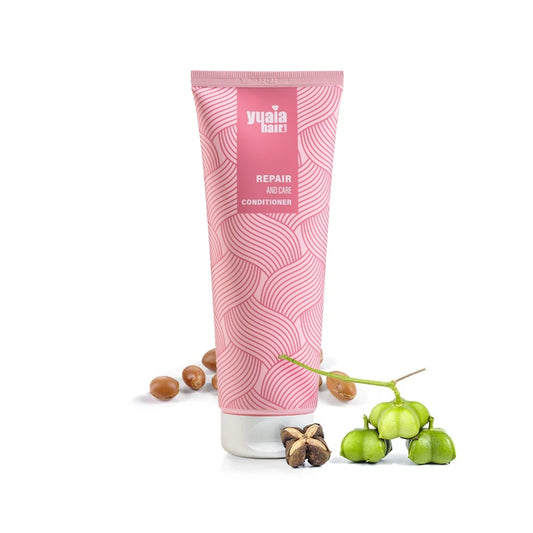
Sealing in moisture is equally important. Natural oils like argan or jojoba can help prevent moisture loss. Our rosemary hair oil is an excellent choice for sealing in moisture while promoting scalp health.

By understanding your hair's unique needs and adopting these effective moisture retention techniques, you can keep your hair hydrated and healthy throughout the day.
Additional content and FAQs: Practical tips and common questions
How can I keep my hair moisturized overnight?
To keep your hair moisturized overnight, consider using a bamboo bonnet or pillowcase. Bamboo is known for its gentle texture that reduces friction and moisture loss while you sleep. Additionally, applying a lightweight oil or serum before bed can provide extra hydration. Products like our rosemary hair oil are perfect for this purpose, as they help seal in moisture and nourish the scalp while you rest.

Can brushing help with moisture distribution?
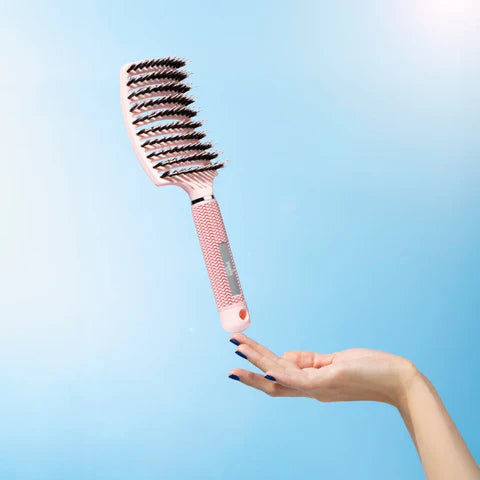
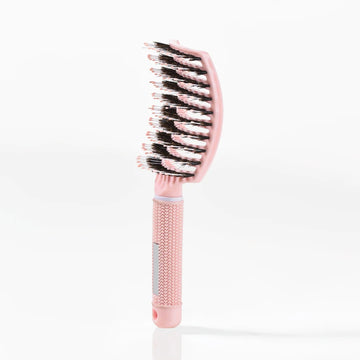
Brushing can indeed aid in distributing moisture evenly throughout your hair. Using a brush made with natural bristles, like our Curvy Brush with boar bristles, helps to gently detangle while spreading natural oils and products from the scalp to the ends. This not only enhances moisture distribution but also adds shine and reduces frizz.

Frequently asked questions
How often should I use the LCO/LOC method?
How often you use the LCO/LOC method depends on your hair type and personal needs. For those with very dry or curly hair, using these methods every wash day or every few days can be beneficial. Adjust based on how your hair feels and responds.
Can I use the same products year-round?
While some products may work well throughout the year, seasonal changes can affect your hair's moisture needs. In drier months, you might need heavier creams and oils, whereas lighter products may suffice in more humid conditions. It's important to listen to your hair and adjust your routine accordingly.
What are the signs that my hair is lacking moisture?
Signs of moisture deficiency in hair include dryness, brittleness, excessive frizz, and a lack of shine. If your hair feels rough or is difficult to manage, it might be time to reassess your moisture retention routine and consider more hydrating products or techniques.


