2-4 dagen levering
 100.000+ tevreden klanten
 Tevredenheidsgarantie









Top natural remedies for reducing scalp oil
For those seeking natural solutions to reduce scalp oil, several home remedies can be incorporated into your routine. These remedies utilize everyday ingredients known for their ability to balance scalp oil production and maintain healthy hair. Let's explore some of the most effective options:
- Lemon juice: Known for its astringent properties, lemon juice helps absorb excess oil and balance the scalp's pH level. To use, dilute lemon juice with water and apply it as a rinse after shampooing. Leave it on for 5-10 minutes before rinsing thoroughly.
- Witch hazel: This natural astringent is effective in controlling oil and reducing scalp irritation. Apply diluted witch hazel to your scalp using a cotton ball, leave it on for a few minutes, and then rinse off.
- Green tea: Rich in antioxidants and caffeine, green tea can help regulate oil production on the scalp. Brew a cup of green tea, let it cool, and use it as a rinse. You can also enjoy a cup of green tea daily for added benefits.
Incorporating natural remedies into your routine
Consistency is key when using natural remedies to manage scalp oil. Establishing a routine that includes these remedies will help you achieve better results over time. Consider the following tips to seamlessly integrate these solutions into your hair care regimen:
- Use apple cider vinegar rinses once or twice a week to maintain scalp pH balance.
- Add a few drops of tea tree oil to your shampoo to enhance its oil-clearing properties.
- Apply aloe vera gel to the scalp weekly to soothe and regulate sebum production.
- Incorporate lemon juice rinses into your routine as needed for additional oil control.
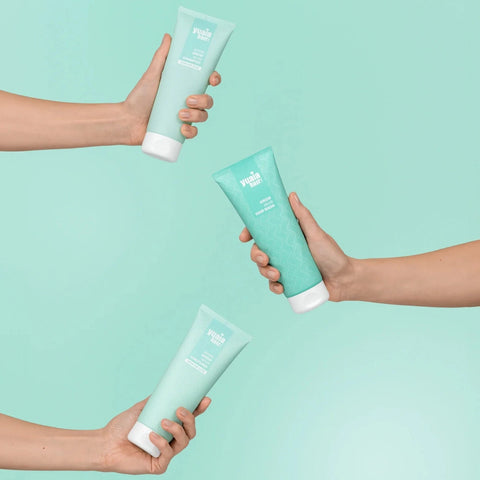
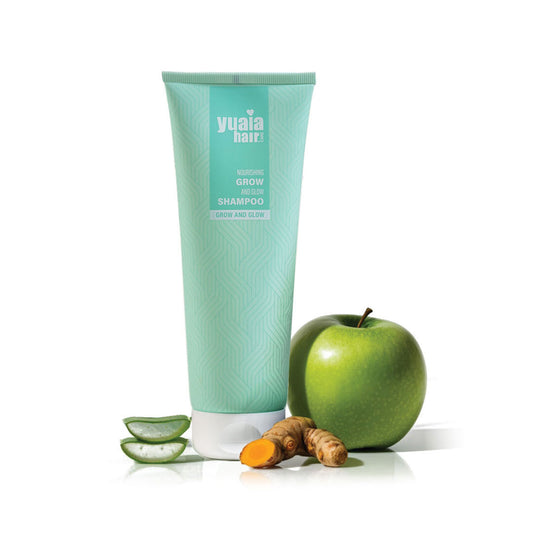
Additionally, using sulfate-free shampoos can complement these natural remedies. Our Grow and Glow Shampoo is an excellent choice for those with oily hair, as it cleanses without stripping natural oils.
By following a consistent routine and using natural remedies, you can effectively manage scalp oil and enjoy healthier, more balanced hair.
Complementary hair care practices
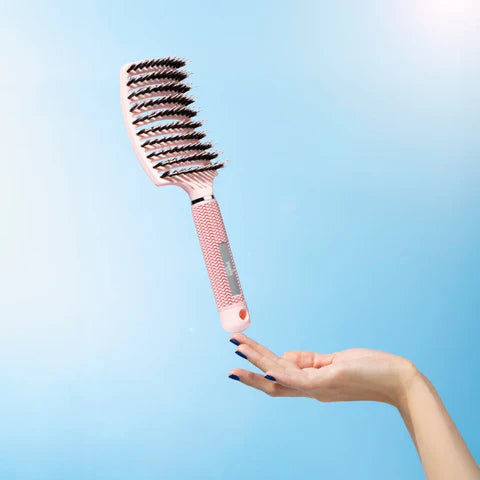
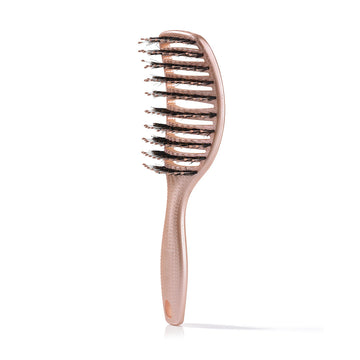
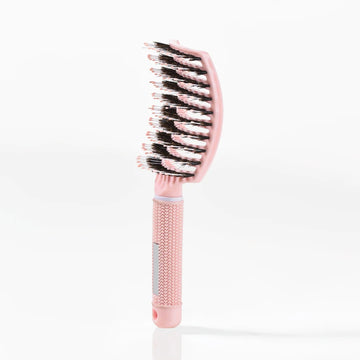
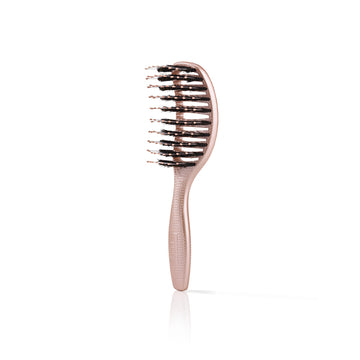
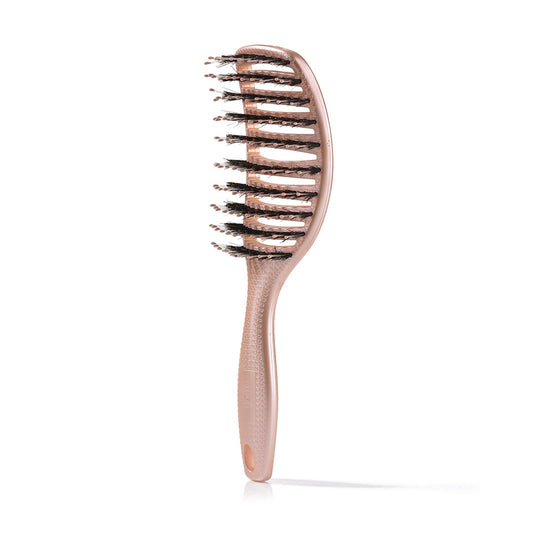
Beyond DIY remedies, incorporating specific hair care practices can further help in managing scalp oil naturally. One effective method is brushing your hair regularly to distribute natural oils evenly from the scalp down the hair shaft. This not only helps manage oiliness but also adds shine and reduces the need for frequent washing. At Yuaia Haircare, we offer a Curvy Brush that can assist in distributing oils effectively.
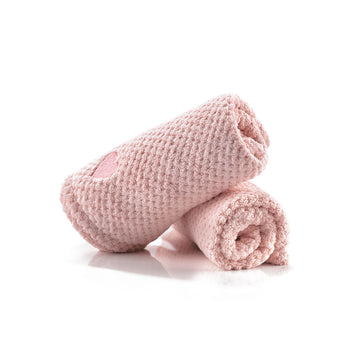
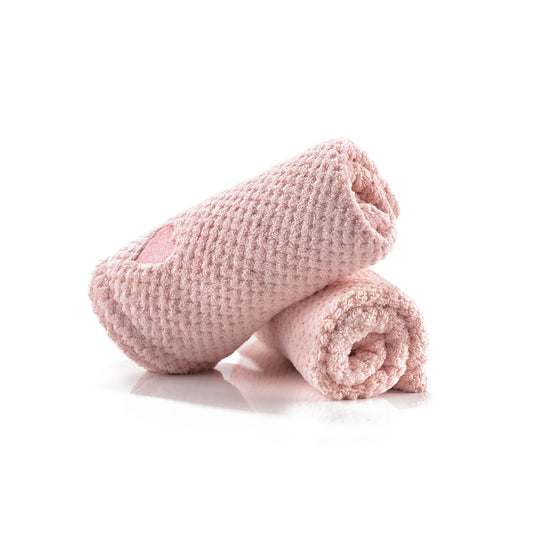
Additionally, drying your hair with a microfiber towel can be beneficial. Microfiber towels are gentle on the hair, reducing frizz and preventing the overproduction of oil by not stripping the hair of its natural moisture.
Preventive tips for managing scalp oil
To further manage scalp oil, consider adjusting your washing routine. Over-washing can strip the scalp of its natural oils, prompting it to produce more oil. Instead, try washing your hair every other day or even less frequently, depending on your hair type. When washing, use lukewarm water as hot water can stimulate oil production.
Stress management is another important factor. High stress levels can lead to hormonal changes that increase oil production. Engaging in regular exercise, practicing relaxation techniques, and ensuring adequate sleep can help keep stress levels in check, thereby supporting overall scalp health.
Frequently asked questions
How often should I wash my hair if I have an oily scalp?
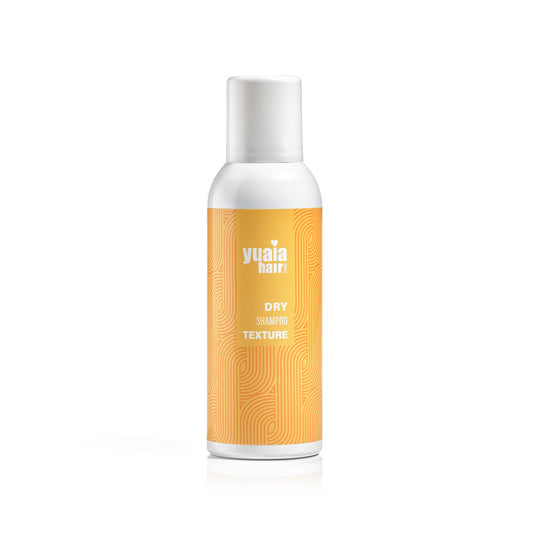
The frequency of washing your hair depends on your individual needs. While some may need to wash their hair every other day, others might find that washing two to three times a week is sufficient. Using dry shampoo between washes can help absorb excess oil without over-washing.
Can diet impact my scalp oil levels?
A balanced diet rich in healthy fats and greens can support overall scalp health and help manage oil production. However, it's important to focus on consistent hair care practices alongside dietary considerations.
Are there any essential oils besides tea tree that help with oily scalp?
Yes, peppermint and lavender oils are excellent alternatives. Both have soothing and balancing properties that can help manage an oily scalp. You can add a few drops of these oils to your shampoo or dilute them with a carrier oil for a scalp massage.