 2-4 dagen levering
 100.000+ tevreden klanten
 Tevredenheidsgarantie









How can you prevent sticky hair after washing?
Preventing sticky hair after washing involves adopting a balanced hair care routine and selecting products that suit your hair type. Here are some strategies to help you achieve a clean, non-sticky feel:
Adopting a balanced washing routine
Finding the right washing frequency is key to maintaining hair health. Over-washing can strip your hair of its natural oils, leading to increased oil production and a sticky texture. Conversely, under-washing allows product and oil buildup. Aim to wash your hair every two to three days, and consider alternating with a clarifying shampoo to remove any accumulated residue.
Choosing the right haircare products
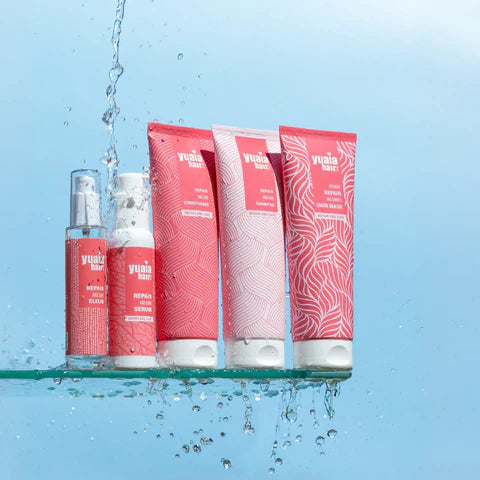
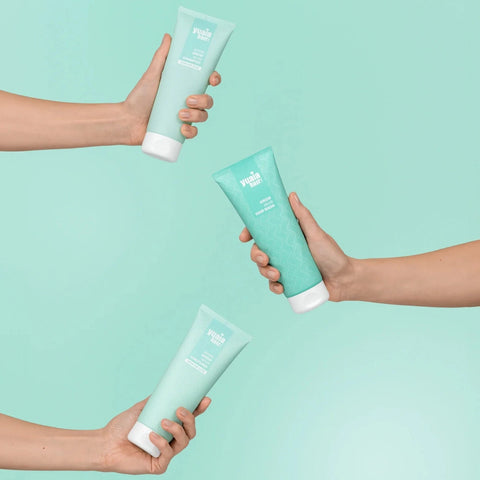
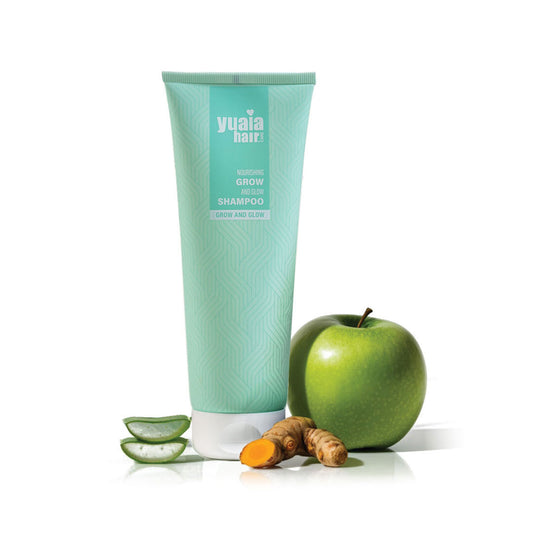
Using the appropriate products is essential for preventing sticky hair. Opt for sulfate and silicone-free shampoos, which are less likely to leave residues. Our Grow and Glow shampoo is an excellent choice for maintaining a clean and fresh feel, as it gently cleanses without stripping the hair of its natural moisture.
Improving rinsing practices
Thorough rinsing is crucial to ensure all product residues are removed from your hair. Pay special attention to the scalp and roots, as this is where buildup often occurs. Rinse your hair until it feels "squeaky clean" to prevent any leftover product from contributing to a sticky texture.
Managing scalp oil production
Excess oil production can be managed by adopting a holistic approach to hair care. While a healthy diet supports hair health, using products specifically designed for oily hair can also help balance oil levels. Consider incorporating lightweight formulas that won’t weigh down your hair.
Special considerations for different hair types
Fine and oily hair
Individuals with fine or oily hair often face unique challenges when it comes to stickiness. Choose lightweight products that do not add unnecessary weight or residue. Avoid heavy silicones and opt for formulations that cater to your specific hair type.
Curly hair challenges
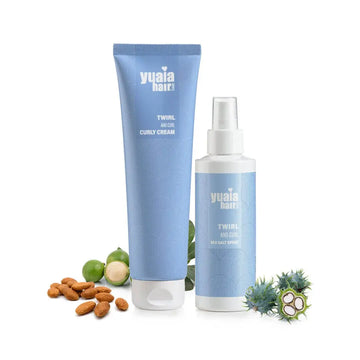
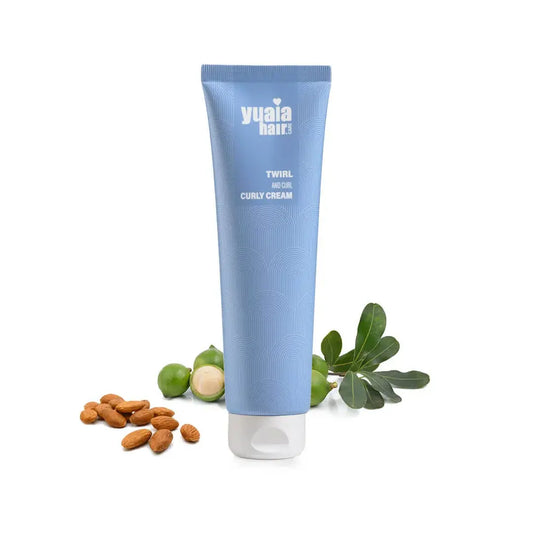
Curly hair requires a delicate balance of moisture to prevent stickiness while maintaining definition. Using products like our Twirl and Curl curly cream can enhance curl formation without leaving a sticky residue. This cream is designed to provide hydration and hold, making it ideal for those with curly hair.
Additional insights and FAQs
Understanding the nuances of hair care can make a significant difference in managing sticky hair after washing. Let's explore some additional insights and address frequently asked questions to further enhance your hair care routine.
The role of water temperature
The temperature of the water you use to wash your hair can impact its texture. Hot water can strip your hair of its natural oils, leading to increased oil production as your scalp tries to compensate. On the other hand, cold water can help seal the hair cuticle, reducing the likelihood of stickiness. Consider using lukewarm water for washing and finishing with a cool rinse to maintain a healthy balance.
Importance of brushing techniques
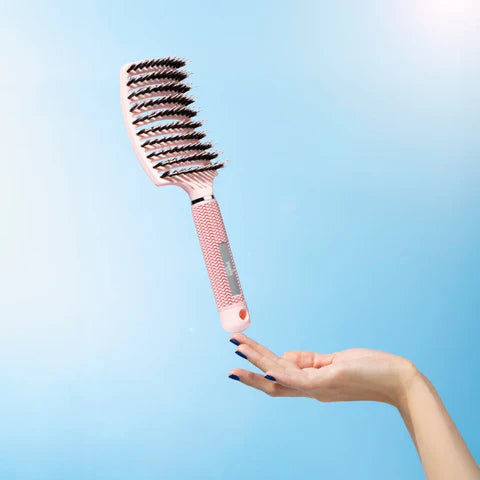
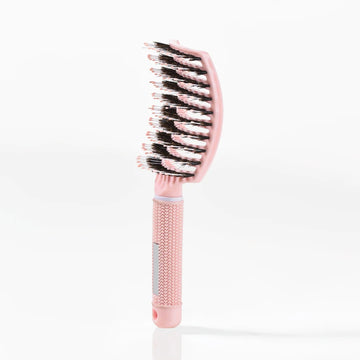
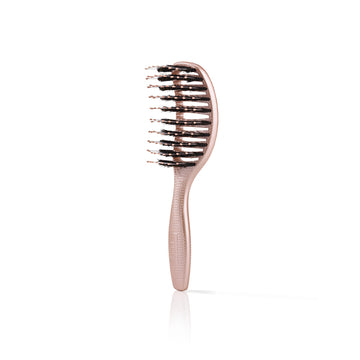
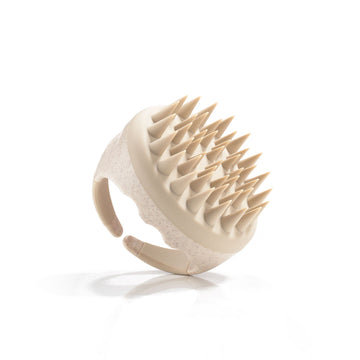
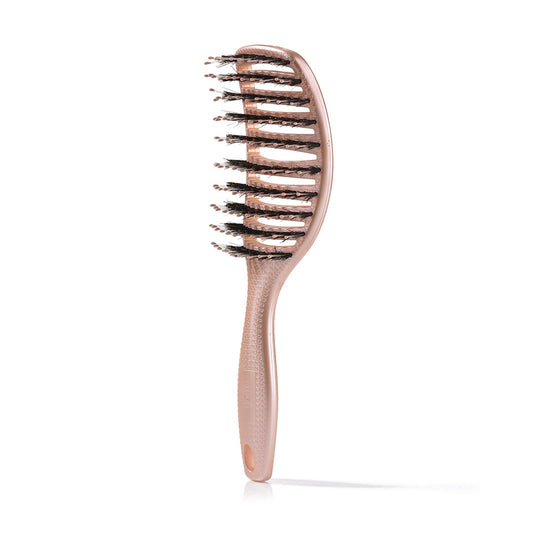
Brushing your hair correctly can help distribute natural oils evenly and prevent buildup at the roots. Using a brush with natural bristles, like our curvy brush, can gently detangle and smooth your hair without causing damage or contributing to a sticky texture.
Benefits of using a microfiber towel
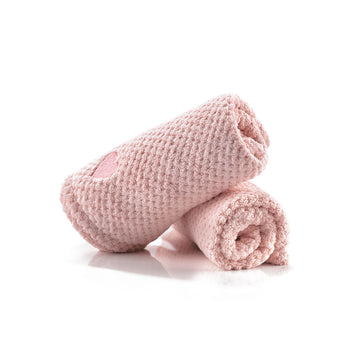
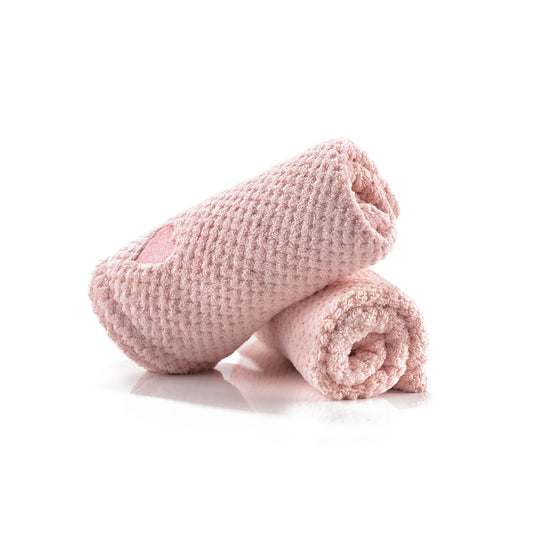
Drying your hair with a regular towel can cause friction and lead to a sticky, frizzy appearance. Instead, opt for a microfiber towel, which is gentler on your hair and helps absorb excess moisture without disrupting the hair cuticle.
Frequently asked questions
Does conditioner cause sticky hair?
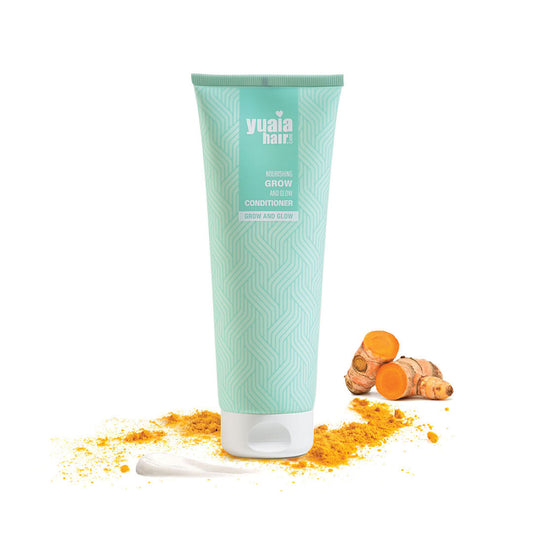
Conditioners can sometimes contribute to sticky hair, especially if they are not rinsed out thoroughly or if they contain heavy silicones. Opt for lightweight, silicone-free conditioners and ensure you rinse your hair completely to avoid buildup.
Can environmental factors affect hair stickiness?
Yes, environmental factors like humidity and pollution can exacerbate sticky hair issues. Humidity can cause your hair to absorb moisture from the air, while pollution can lead to residue buildup. Protect your hair by using a lightweight, protective spray and washing your hair regularly to remove pollutants.
How do I know if I need to clarify my hair?
If your hair feels heavy, sticky, or lacks volume despite regular washing, it might be time for a clarifying treatment. Signs include dullness, lack of bounce, and difficulty in styling. Using a clarifying shampoo once a week can help remove buildup and restore your hair's natural vibrancy.


