 2-4 dagen levering
 100.000+ tevreden klanten
 Tevredenheidsgarantie








What causes frizz in wavy hair?
Understanding the root causes of frizz is the first step in taming wavy hair. Wavy hair is naturally more porous due to its structure, which makes it more susceptible to absorbing moisture from the environment. This porosity often leads to frizz, especially in humid conditions. Environmental factors, such as changes in weather, can also play a significant role in frizz development. Humidity, in particular, causes the hair cuticle to swell and lift, leading to an unruly appearance.
Another contributing factor is mechanical damage. Frequent brushing and the use of heat styling tools can exacerbate frizz by roughening the hair cuticle. It's essential to handle wavy hair with care to prevent these issues. Additionally, harsh cleansing agents found in some shampoos can strip the hair of its natural oils, leaving it dry and more prone to frizz. Opting for sulfate-free shampoos can mitigate this problem by maintaining the hair's natural moisture balance.
Step-by-step routine: How to tame frizzy wavy hair
Step 1: In the shower
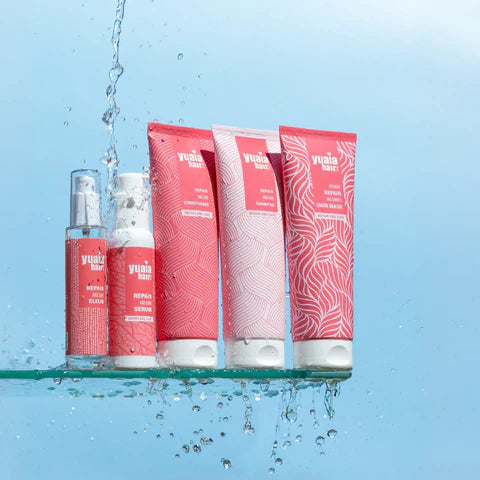
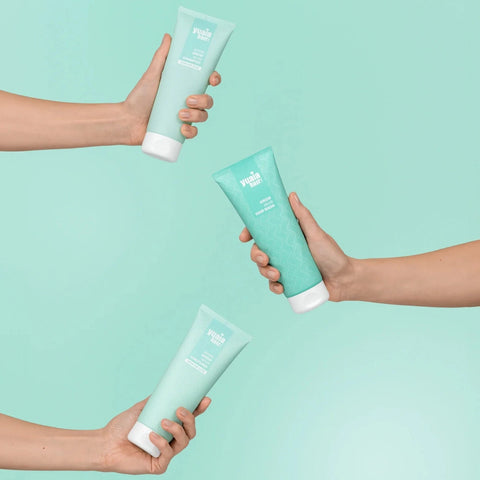
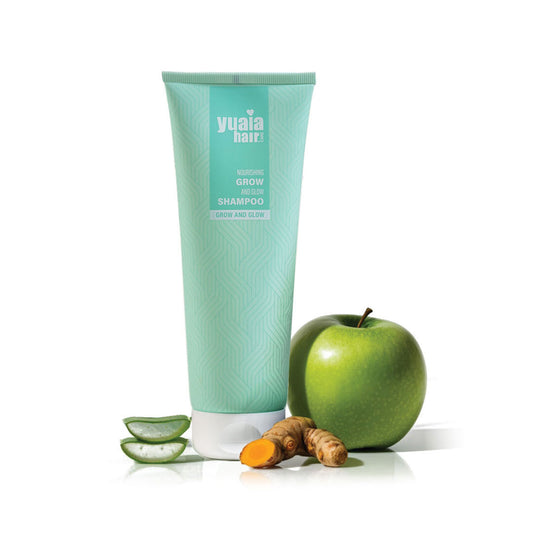
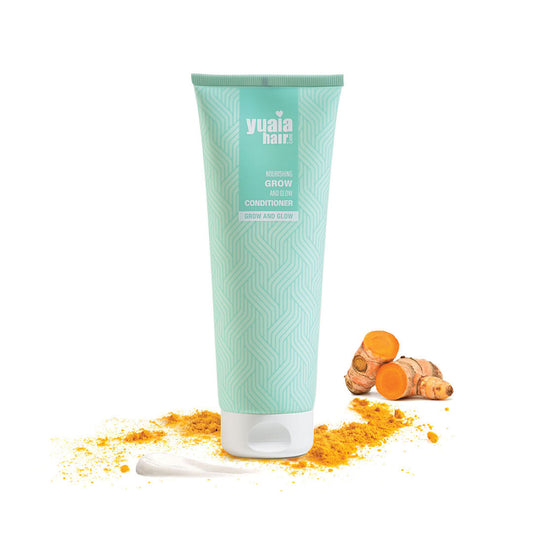
Start your routine with a sulfate-free hydrating shampoo and conditioner to lay the foundation for frizz control. Our Grow and Glow shampoo is ideal for fine hair, providing a gentle cleanse without stripping essential oils.
Step 2: On damp hair
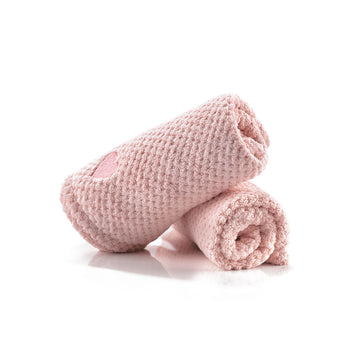
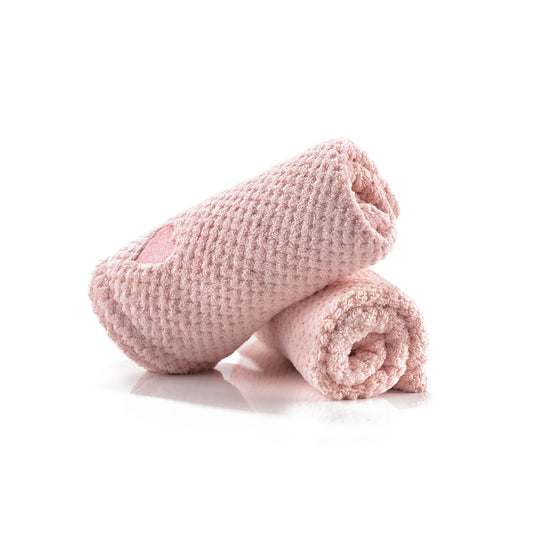
After washing, gently squeeze out excess water using a microfiber towel or a soft t-shirt. This minimizes friction and helps prevent breakage. Apply a leave-in conditioner using the “prayer hands” method to evenly distribute the product, then scrunch to encourage wave formation.
Step 3: Define and protect
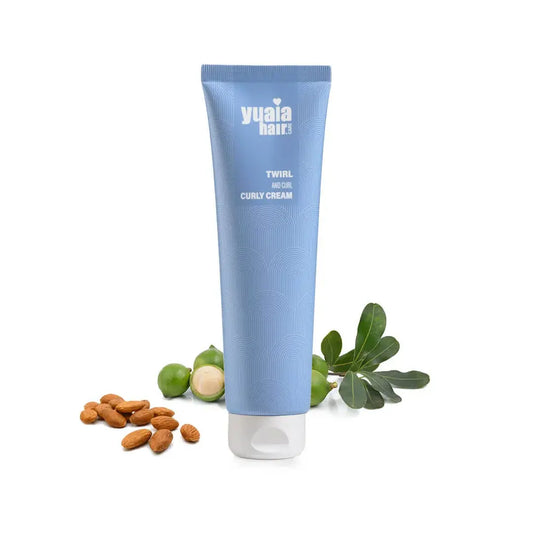
For added definition and hold, apply a curl cream or gel. This step is crucial for maintaining the shape of your waves while keeping frizz at bay. Our Twirl and Curl curly cream is perfect for enhancing your natural wave pattern without weighing down your hair.
Step 4: Dry with less frizz
Air-drying is a great option for minimizing frizz, but if you need to speed up the process, use a diffuser. Start with the hover diffusing technique to dry your roots, then cup and scrunch your hair to enhance wave definition.
Step 5: Finish & maintain
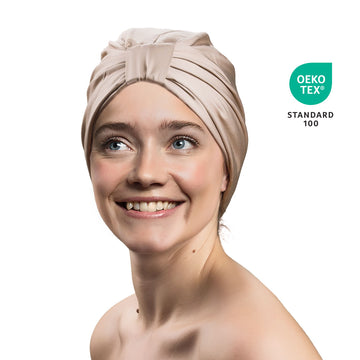
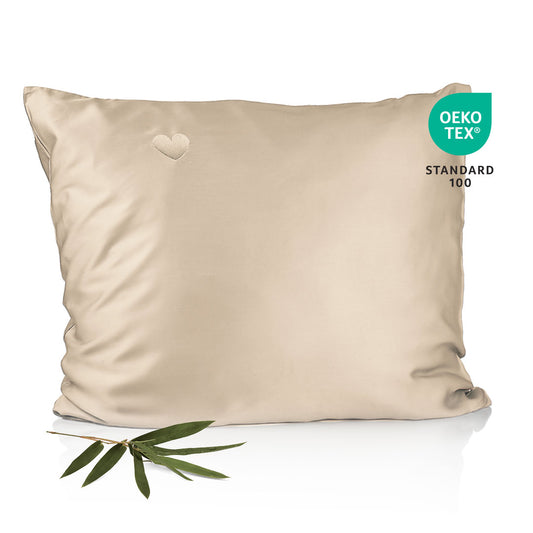
Once your hair is dry, gently break the cast formed by the gel or cream. Apply a small amount of serum or oil to the ends and flyaways for added shine and smoothness. To maintain your waves overnight, consider using a bamboo pillowcase to reduce friction and preserve your hairstyle.
Exploring additional techniques for managing frizzy wavy hair
While a well-defined routine is essential for taming frizzy wavy hair, there are additional techniques and tools that can enhance your results. These methods can be seamlessly integrated into your hair care regimen to maximize the definition and manageability of your waves.
Embrace the power of protective styles
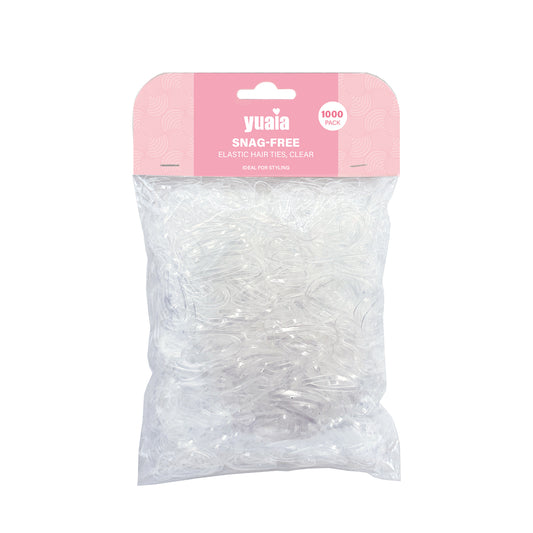
Protective styles can be a game-changer for those with frizzy wavy hair. Styles such as loose braids or buns not only help in reducing frizz but also preserve wave patterns overnight. Using a gentle hair tie can prevent breakage and maintain the integrity of your waves. Consider our snag-free hair ties for a gentle hold that won't damage your hair.
Utilize bamboo pillowcases for overnight care
Switching to a bamboo pillowcase can significantly impact the health of your hair. Bamboo is a smooth fabric that reduces friction, helping to maintain your wave pattern and minimize frizz while you sleep. This simple change can lead to smoother, more manageable hair each morning.
Frequently asked questions
How often should I wash my wavy hair to reduce frizz?
Washing your wavy hair two to three times a week is generally sufficient. Over-washing can strip natural oils, leading to dryness and frizz. Always use a sulfate-free shampoo to maintain moisture balance.
Can I use a regular towel to dry my wavy hair?
It's best to avoid regular towels as they can cause friction and breakage. Instead, opt for a microfiber towel which is gentler and helps reduce frizz.
Are there any specific oils that help with frizzy wavy hair?
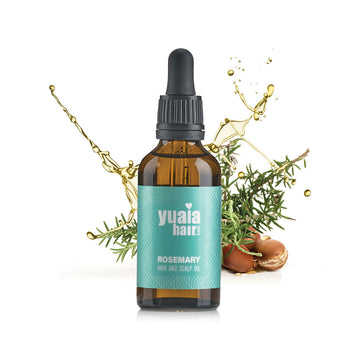
Yes, lightweight oils like our rosemary oil can be very effective. They help seal the cuticle, add shine, and reduce frizz without weighing down your waves.
Is air-drying better than using a diffuser?
Both methods have their benefits. Air-drying is gentle and reduces heat exposure, while using a diffuser can enhance wave definition and speed up drying time. Experiment with both to see which works best for your hair type.


