 2-4 dagen levering
 100.000+ tevreden klanten
 Tevredenheidsgarantie








Creating a balanced hair care routine
Achieving harmony between oily roots and dry ends requires a carefully considered hair care routine. This involves not only selecting the right products but also applying them in a way that addresses the unique needs of both the scalp and the ends.
Washing techniques
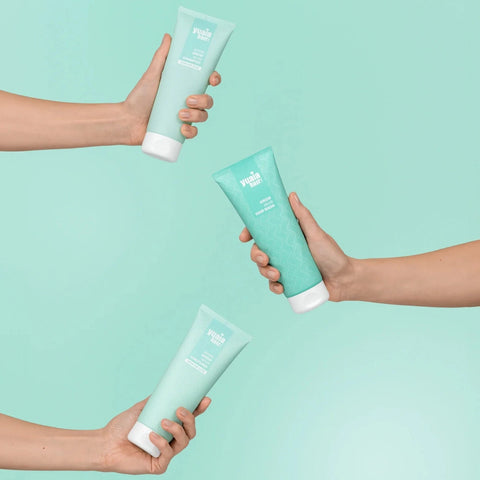
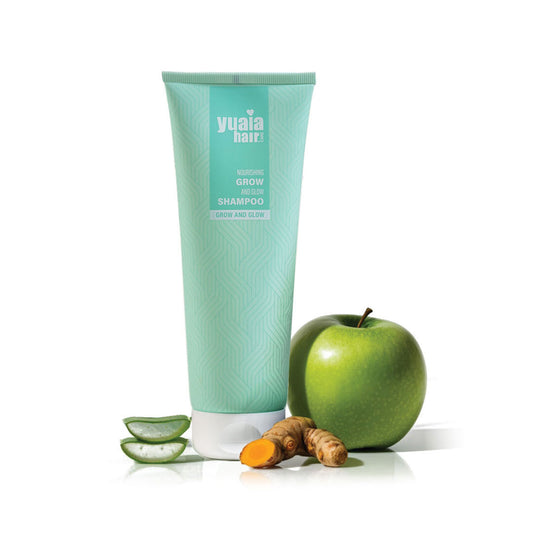
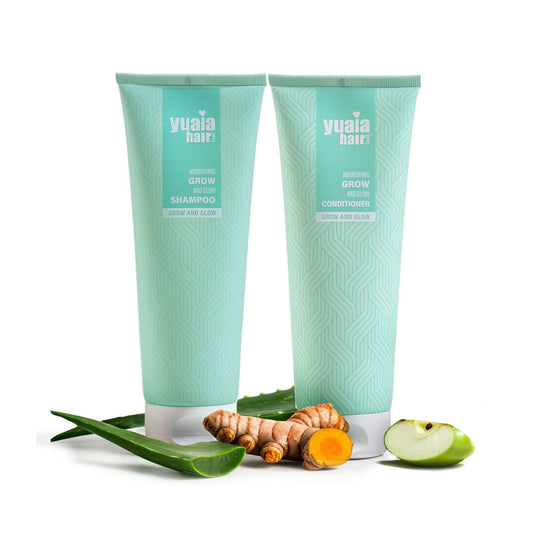
To prevent stripping the hair of its natural oils, it's advisable to wash your hair every 2-3 days. Using a sulfate-free shampoo can cleanse the roots effectively without exacerbating oil production. Our Grow and Glow shampoo is ideal for this purpose, as it gently removes impurities while maintaining the scalp's natural balance.
Conditioning practices
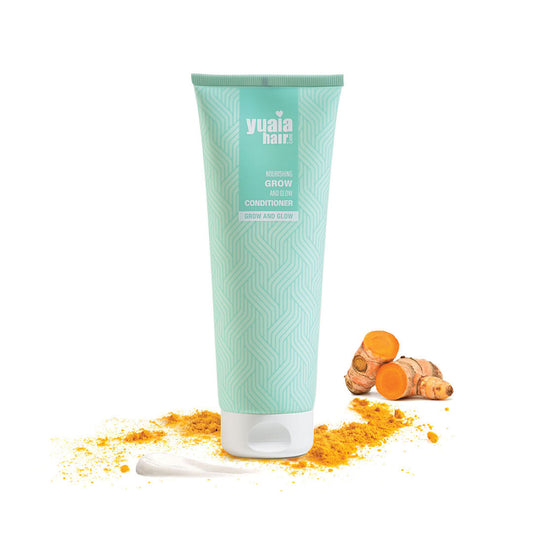
Conditioning is crucial for hydrating dry ends without adding to the oiliness at the roots. Apply conditioner only from the mid-lengths to the ends, avoiding the scalp area entirely. Incorporating a deep conditioning treatment once a week can provide the extra moisture needed for healthier ends.
Brushing for oil distribution
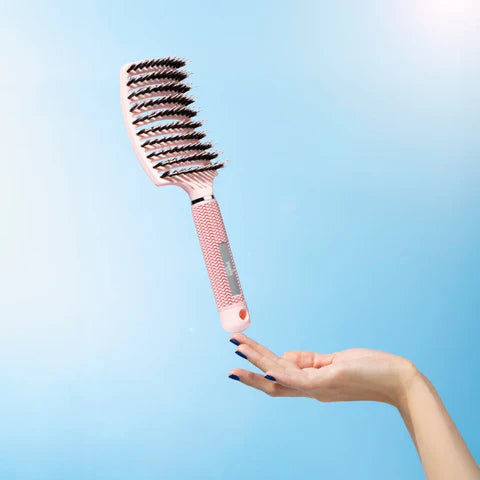
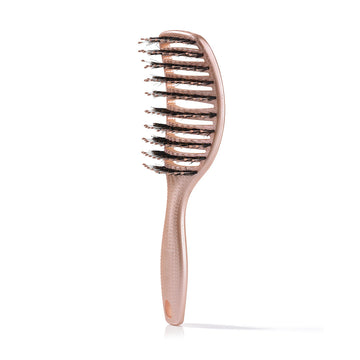
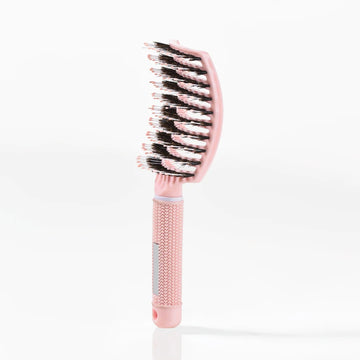
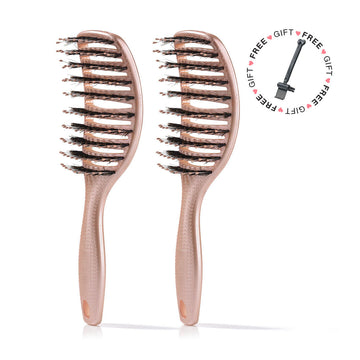
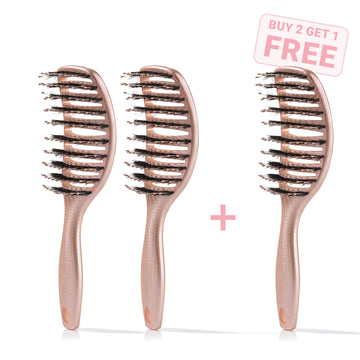
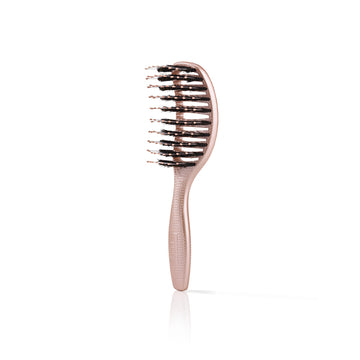
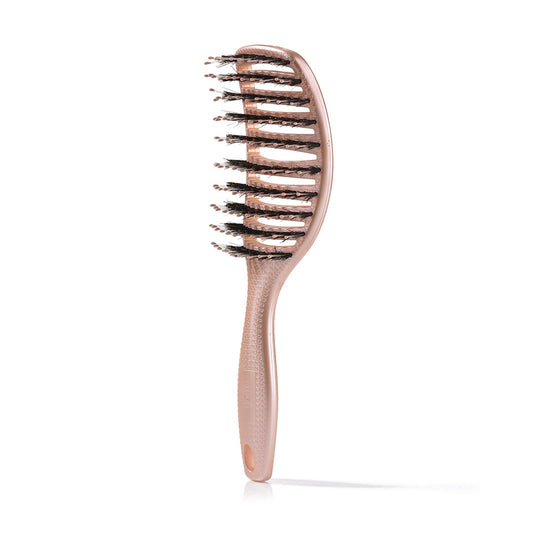
Regular brushing plays a vital role in managing combination hair. By brushing from roots to ends, you can help distribute the natural oils more evenly, reducing the appearance of greasy roots while nourishing dry ends. Our Curvy Brush is specifically designed to facilitate this process, featuring boar bristles that gently glide through hair, enhancing shine and softness.
Product recommendations and DIY solutions
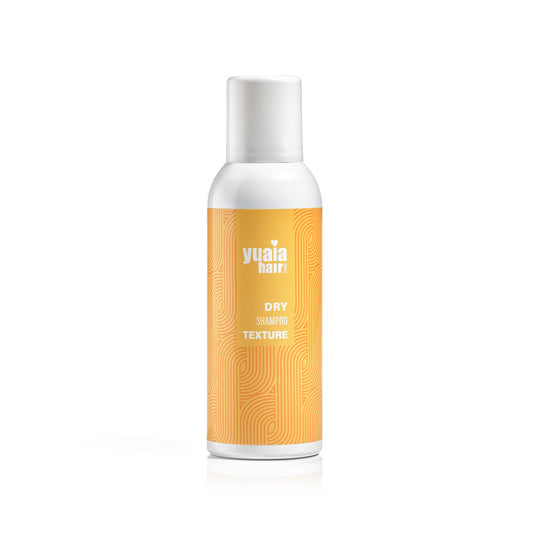
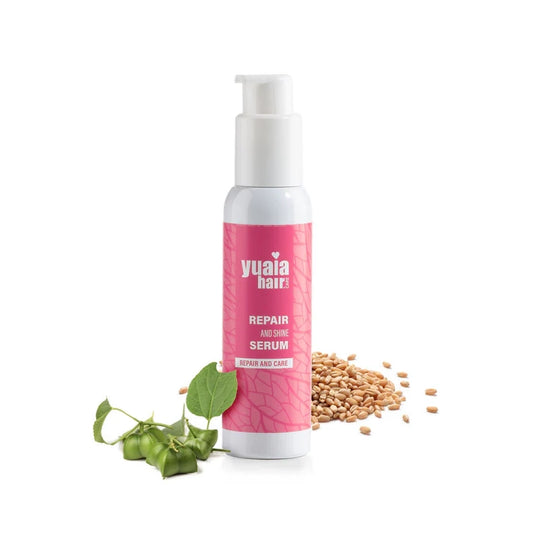
Beyond routine care, specific products and homemade remedies can help manage oily roots and dry ends. Dry shampoo is a quick fix for absorbing excess oil at the roots, allowing you to extend time between washes. For dry ends, consider using lightweight oils or serums to provide hydration without weighing the hair down.
Homemade hair masks can also offer a nourishing boost. Ingredients like coconut oil and aloe vera are excellent for creating simple, effective masks that repair and moisturize the ends. These natural solutions can complement your regular hair care routine, ensuring that both the scalp and ends receive the attention they need.
Additional considerations for managing combination hair
Dealing with the dual challenge of oily roots and dry ends requires a nuanced approach to hair care. While establishing a balanced routine is essential, there are additional considerations that can further enhance the health and appearance of your hair.
Tools and techniques for better hair health
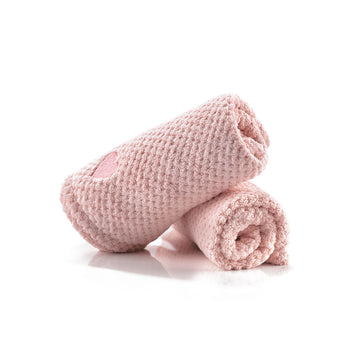
Investing in the right hair tools can make a significant difference in managing combination hair. For instance, using a microfiber towel to dry your hair can help reduce frizz and breakage, as it is gentler than traditional towels. This helps maintain moisture in the ends while preventing excessive oil buildup at the roots.
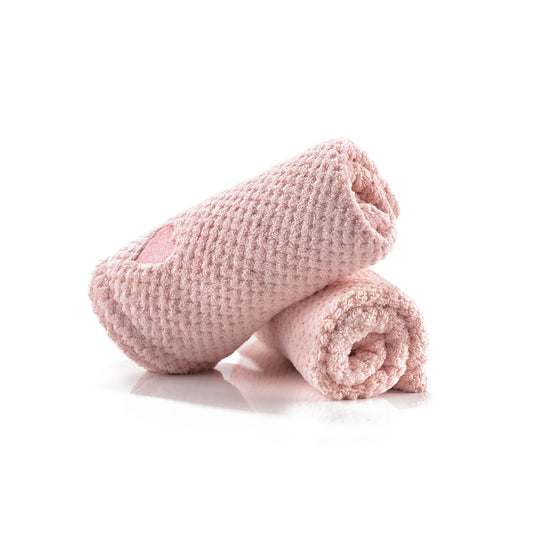
Additionally, consider the use of a Curvy Brush to distribute natural oils more effectively. Its boar bristles are designed to gently glide through hair, promoting shine and reducing the greasy appearance of roots.
Heat styling and protection
Heat styling can exacerbate the problem of dry ends, making it important to minimize its use. When styling your hair, always use a heat protectant to shield your hair from damage. This protective layer can help maintain moisture levels in the ends, preventing them from becoming brittle and prone to breakage.
Scalp care for balanced oil production
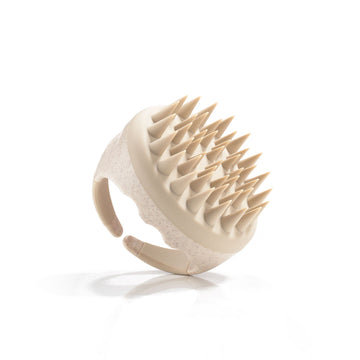
While it's important to focus on the ends, taking care of your scalp is equally vital. Massaging your scalp regularly can stimulate blood flow and promote healthier hair growth. Consider incorporating a gentle scalp massage into your routine to help balance oil production and support overall scalp health.
Frequently asked questions
How can I prevent my roots from getting oily so quickly?
To prevent oily roots, try washing your hair every 2-3 days instead of daily. This can help regulate sebum production. Additionally, using dry shampoo between washes can absorb excess oil and extend the time between washes.
Is it possible to have both oily roots and dry ends with curly hair?
Yes, curly hair can often experience oily roots and dry ends due to its structure, which makes it difficult for natural oils to travel down the hair shaft. To manage this, use a lightweight leave-in conditioner or curl cream, like our Twirl and Curl curly cream, to hydrate the ends without adding weight to the roots.
Are there specific ingredients I should avoid in hair products?
Avoid harsh sulfates and silicones in hair products. Sulfates can strip hair of its natural oils, leading to increased oil production at the roots, while silicones can weigh hair down and prevent moisture from reaching the ends.


