 2-4 dagen levering
 100.000+ tevreden klanten
 Tevredenheidsgarantie













Why does sebum matter?
Sebum is a natural oil produced by the sebaceous glands in your scalp. While it plays a vital role in maintaining hair health by providing necessary moisture and protection, it can also become a source of frustration when produced in excess. The continuous production of sebum is a natural process that doesn't pause during sleep. This means that while you rest, your scalp continues to generate oils, which can contribute to that unwanted morning greasiness.
Environmental factors: bedroom conditions
The environment where you sleep can greatly influence the level of oiliness in your hair. A warm bedroom, for instance, can increase the activity of your sebaceous glands, leading to more oil production. This is because heat can stimulate the glands, causing them to produce more sebum than usual. Additionally, the material of your bed linens can affect how oils are transferred and retained. Cotton pillowcases, for example, tend to absorb oils and then transfer them back to your hair, exacerbating the issue.
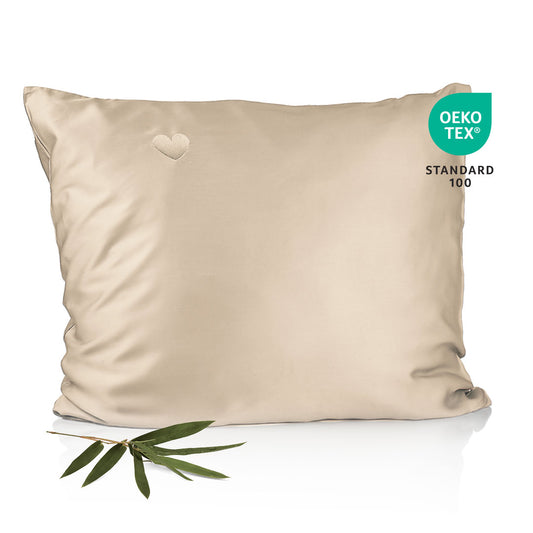
Switching to a bamboo pillowcase can help reduce this problem. Bamboo fabric is less absorbent than cotton, which means it doesn't hold onto oils as much, thereby minimizing the transfer of sebum back to your hair.
Personal habits: sleep routines
How you sleep can also play a significant role in how oily your hair becomes overnight. Sleeping positions and movements, such as tossing and turning, can spread sebum throughout your hair. Additionally, if you frequently touch your hair or face during sleep, you might be unknowingly transferring oils and residues, which can contribute to increased greasiness.
Biological influences: hormones and genetics
Your body's natural processes also affect sebum production. Hormonal changes, such as those experienced during puberty or menopause, can lead to spikes in oil production. This is because hormones can influence the activity of sebaceous glands, making them more active at certain times. Furthermore, genetics play a role in determining your scalp's oiliness. If you have a family history of oily hair, you might be predisposed to experiencing it yourself.
Product choices: nighttime routines
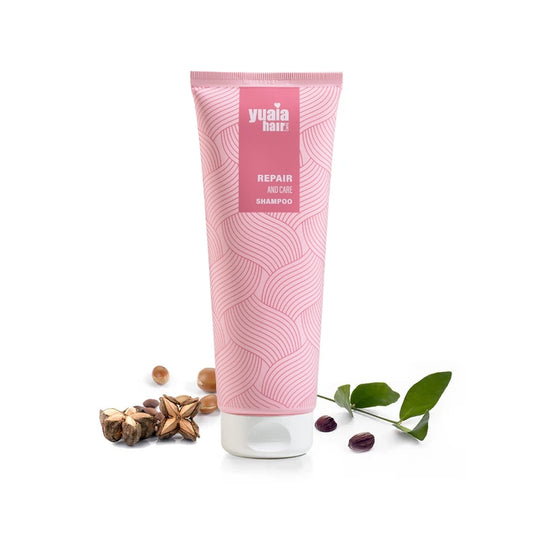
The products you use before bed can significantly impact your hair's oil levels by morning. Heavy nighttime hair products can clog pores and increase oiliness, as they might not be fully absorbed by your hair overnight. It's important to choose lightweight products that don't weigh down your hair or add to the oiliness. Opting for sulfate-free shampoos can help maintain a balance by gently cleansing without stripping your hair of its natural oils.
Consider using our rosemary hair oil as part of your routine. This product is designed to nourish the scalp and support the maintenance of normal hair without contributing to excess oiliness.

Routine adjustments: Simple tweaks for less oil
For those struggling with oily hair in the morning, making a few adjustments to your nighttime routine can make a significant difference. One effective change is to lower the temperature in your bedroom. Cooler environments can help minimize sweating and reduce the stimulation of your sebaceous glands, leading to less oil production overnight.
Another simple yet impactful change is switching to bamboo pillowcases. Bamboo is less absorbent than cotton, meaning it doesn't hold onto oils as much and reduces the transfer of sebum back to your hair. This small adjustment can help keep your hair fresher by morning.
Product choices: Achieving balance
Choosing the right products for your nighttime routine is essential for managing oily hair. It’s important to avoid heavy products that can weigh down your hair and contribute to oiliness. Instead, opt for lightweight, sulfate-free options that cleanse without stripping your hair of its natural oils. At Yuaia Haircare, we offer rosemary hair oil that nourishes the scalp and supports the maintenance of normal hair without adding excess oil.
Frequently asked questions
How often should I wash my hair if it gets oily overnight?
Finding the right balance is key. While washing your hair daily might seem like a solution, it can strip your hair of natural oils, prompting your scalp to produce even more oil. Consider washing your hair every other day or as needed, and focus on using gentle, sulfate-free shampoos to maintain balance.
Can pillowcases really make a difference?
Yes, the material of your pillowcase can significantly impact oil absorption and transfer. Cotton pillowcases tend to absorb oils and transfer them back to your hair, while bamboo pillowcases are less absorbent, helping to keep your hair fresher overnight.
Why does my hair feel greasy even after using dry shampoo?
Dry shampoo can be a great tool for managing oiliness, but it needs to be applied correctly. Make sure to spray it onto the roots and allow it to sit for a few minutes before brushing it out. Overuse or improper application can lead to buildup, making your hair feel greasy.


