 2-4 dagen levering
 100.000+ tevreden klanten
 Tevredenheidsgarantie











Practical methods to manage and reduce puffiness
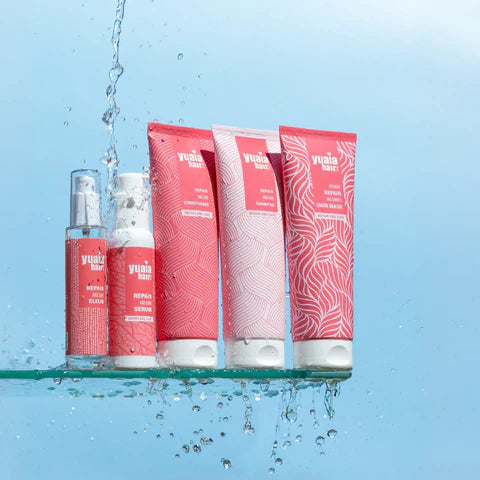
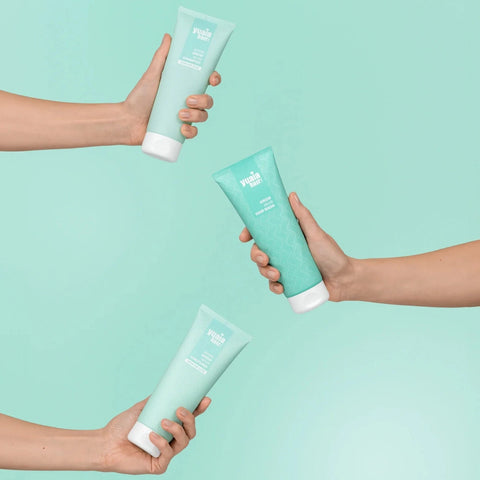
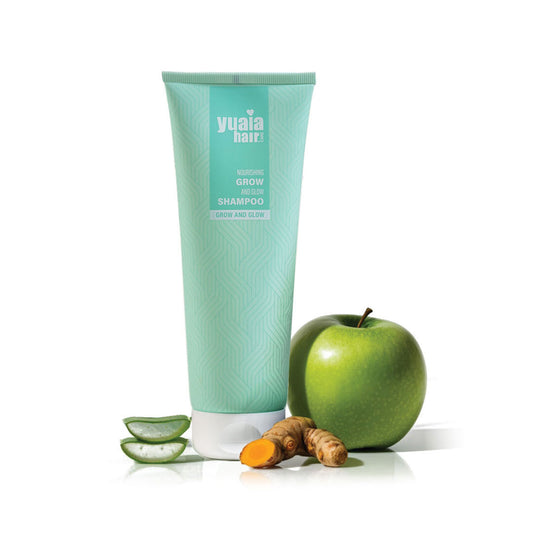
Addressing puffy hair begins with enhancing hydration and retaining moisture. A key step is to incorporate sulfate-free shampoos, such as our Grow and Glow shampoo, into your routine. This product helps maintain the hair's natural moisture balance without stripping essential oils, which can otherwise lead to dryness and puffiness.
Gentle hair handling techniques
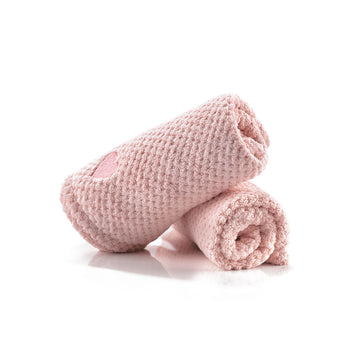
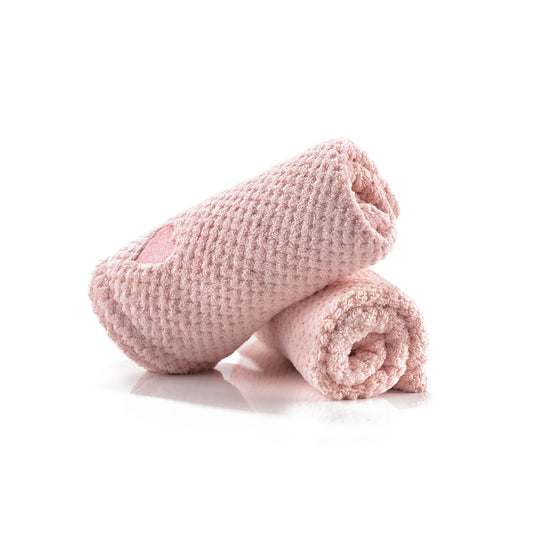
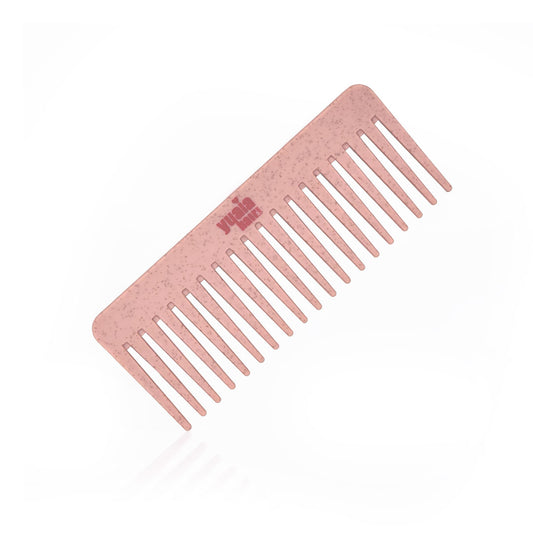
Reducing puffiness also involves adopting gentler hair handling practices. Instead of using a traditional towel, opt for a microfiber towel to dry your hair. This minimizes friction, reduces breakage, and helps maintain the hair's smoothness. Additionally, avoid over-brushing, which can further raise the cuticles and exacerbate puffiness. For detangling, use a wide-toothed comb to gently work through knots without causing damage.
Choosing the right products
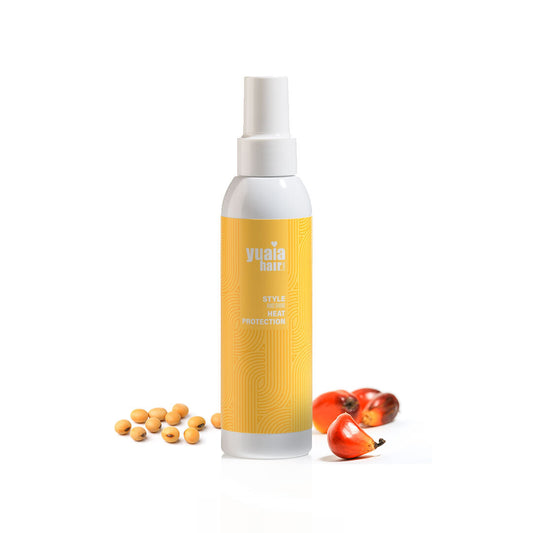
When it comes to selecting hair care products, it's crucial to avoid those with harsh chemicals that can damage the cuticles. Instead, focus on nourishing, natural options. Using a heat protectant spray is essential when styling your hair with heat tools. This product provides a protective barrier, preventing the cuticles from lifting and reducing the risk of puffiness.
Additional tips for maintaining smooth hair
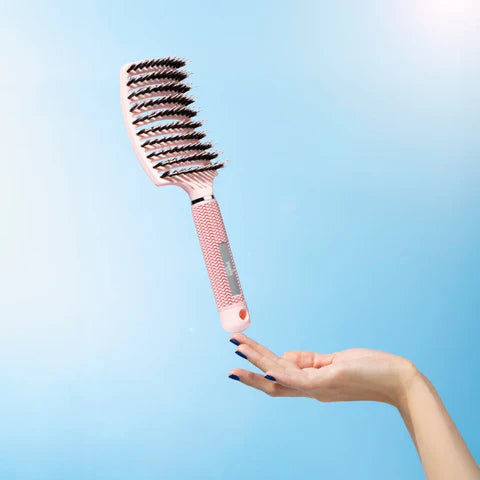
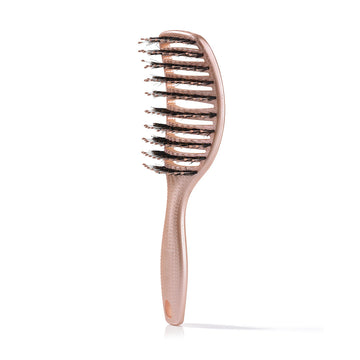
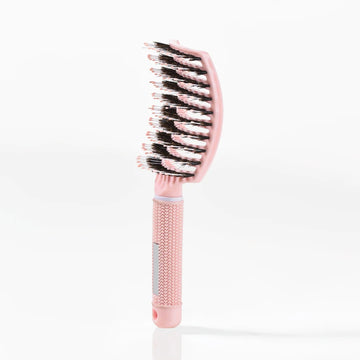
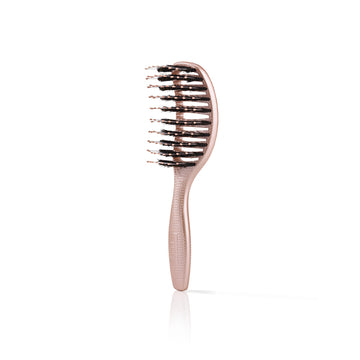
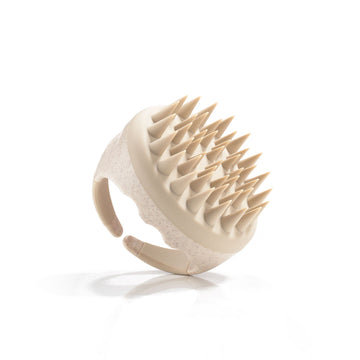
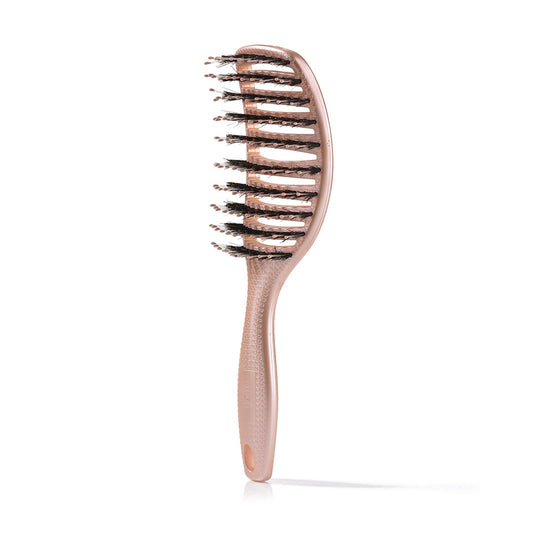
Regular hair maintenance can significantly impact the overall health and appearance of your hair. Scheduling regular trims helps prevent split ends, which can contribute to a puffy appearance. Moreover, establishing a good brushing routine is vital. Utilizing the right brush, such as our Curvy Brush with boar bristles, aids in distributing natural oils from the scalp to the ends, promoting smoother and less puffy hair.
By integrating these practical methods into your hair care routine, you can effectively manage and reduce puffiness, leading to healthier, more manageable hair.
Understanding why your hair is so puffy
For many, the battle with puffy hair is a constant struggle, especially when trying to maintain a sleek and polished look. Understanding the underlying causes can help in managing this common hair concern. Puffy hair often occurs due to a combination of factors, including environmental influences, hair texture, and care habits.
Beyond hair puffiness: Additional considerations
While the primary focus is often on managing puffiness, there are other aspects to consider for overall hair health. Regular maintenance, such as trimming and using appropriate hair tools, plays a significant role in keeping hair smooth and manageable. Additionally, understanding your hair's unique needs can guide you in choosing the right products and routines.
Using the right tools
One of the simplest ways to manage puffy hair is by using the right tools. For example, a Curvy Brush with boar bristles can help distribute natural oils throughout your hair, reducing puffiness and enhancing shine. Similarly, opting for a microfiber towel instead of a traditional towel can minimize friction and breakage during drying.
Protective measures
Protecting your hair from heat damage is essential in preventing puffiness. Using a heat protectant before styling with hot tools can shield the hair cuticles, reducing the likelihood of them becoming raised and swollen. This simple step can make a significant difference in maintaining smoother hair.
Frequently asked questions
How can I prevent my hair from getting puffy in humidity?
To prevent puffiness in humid conditions, consider wearing your hair up, using anti-humidity sprays, and applying conditioners that help seal in moisture. These steps can create a barrier against moisture and keep your hair looking sleek.
Are certain hair types more prone to puffiness?
Yes, curly and high-porosity hair types are more susceptible to puffiness. Their structure allows for more moisture absorption, which can lead to swelling and increased volume. Tailoring your hair care routine to address these specific needs can help manage puffiness.
What role does regular trimming play in managing puffy hair?
Regular trims are important for preventing split ends, which can contribute to a puffy appearance. Keeping your hair healthy and free of damage helps maintain its smoothness and manageability.


