 2-5 day delivery
 25.000+ satisfied customers
 Satisfaction Guarantee










The impact of hot water on the scalp
While hot water itself doesn't directly cause hair loss, its effects on the scalp can contribute to conditions that may lead to increased shedding and breakage. The scalp plays a crucial role in supporting healthy hair growth, and maintaining its health is essential for preventing hair issues.
Scalp dryness and irritation
Exposure to hot water can strip away the natural oils that keep the scalp moisturized, leading to dryness and irritation. This disruption of the scalp's moisture barrier can result in dandruff and inflammation, creating an environment that is not conducive to optimal hair growth. An irritated scalp may hinder the growth cycle, making hair appear thinner over time.
Indirect contribution to hair thinning
When the scalp is dry and irritated, it may not adequately support the hair follicles. This can indirectly contribute to hair thinning as the environment needed for healthy hair growth is compromised. Ensuring a balanced scalp routine can help mitigate these effects, supporting overall hair health.
Normal hair shedding versus true hair loss
Understanding the difference between normal hair shedding and true hair loss is key to managing concerns about hair thinning. On average, it is normal to lose about 50 to 150 hairs per day. This shedding is a natural part of the hair growth cycle and is typically not a cause for concern.
However, if you notice excessive shedding or visible thinning, it might be time to evaluate other factors beyond water temperature that could be contributing to hair loss. Genetics, hormonal changes, and certain health conditions are often more significant contributors to hair loss than the temperature of your shower.
Practical hair care tips for showering
To minimize the impact of hot water on your hair and scalp, consider adjusting your shower routine. Using lukewarm water for washing can help maintain the integrity of the hair cuticle and scalp. A cooler rinse at the end of your shower can help seal the cuticle, locking in moisture and adding shine to your hair.
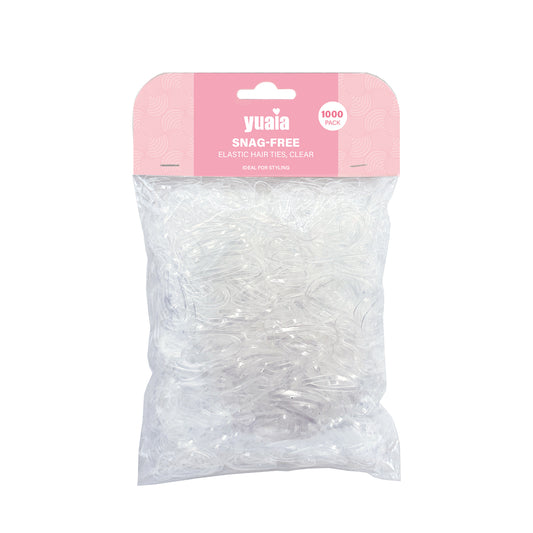
Additionally, incorporating gentle hair care practices can further protect your hair from damage. Opt for sulfate-free shampoos and nourishing conditioners to prevent additional stripping of natural oils. The snag-free hair ties can also help reduce breakage when styling your hair.
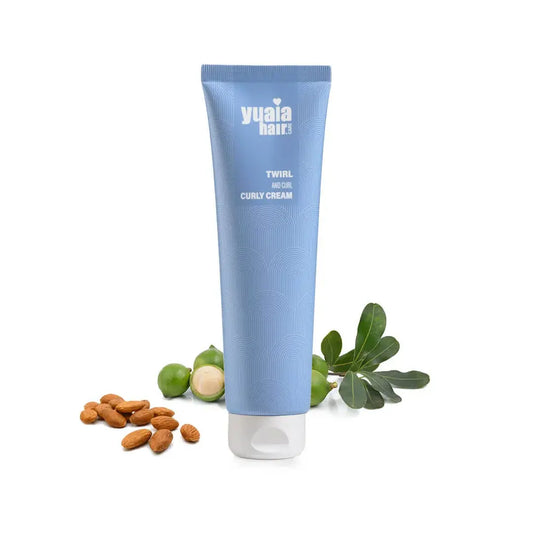
For those with curly hair, using products specifically designed for curls can help maintain moisture and define curls without weighing them down. Consider our Twirl and Curl curly cream to enhance and define your curls while keeping them hydrated.
Supporting your hair with gentle, sulfate-free care
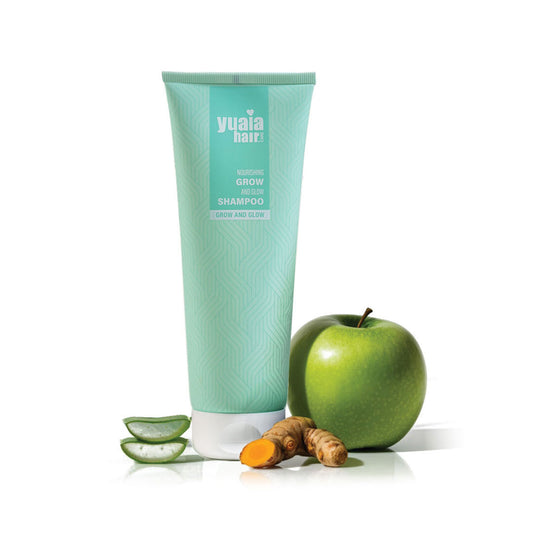
Choosing the right products is essential in maintaining healthy hair when exposed to heat. Our sulfate-free shampoos, like the Grow and Glow Shampoo, offer gentle cleansing that helps preserve the natural oils necessary for healthy hair. These shampoos are designed to clean without stripping, making them ideal for those concerned about the effects of hot water.
Remember, while hot water doesn't directly cause hair loss, it can create conditions that make hair more susceptible to damage. By adjusting your shower routine and choosing the right hair care products, you can help support healthy hair and scalp.
Understanding the effects of hot water on hair health
While hot water does not directly cause hair loss, it can create an environment that leads to increased hair damage and shedding. Understanding the nuances of how hot water impacts both the hair and scalp can help you make informed decisions about your hair care routine.
Hot water and hair shaft integrity
Exposing your hair to hot water can compromise the integrity of the hair shaft. The heat causes the hair cuticle to open, making the strands more porous and susceptible to breakage. This porosity can lead to increased hair fragility, causing split ends and making hair appear thinner over time.
Scalp health and its role in hair growth
The scalp is the foundation for healthy hair growth, and maintaining its health is crucial. Hot water can strip away the natural oils that keep the scalp moisturized, leading to dryness and irritation. This disruption can affect the scalp's ability to support hair follicles, potentially leading to increased shedding and a less favorable environment for hair growth.
Balancing your shower routine
To mitigate the effects of hot water, consider adjusting your shower routine to include lukewarm water for washing and a cooler rinse to seal the hair cuticle. This practice helps maintain moisture and reduces the risk of damage. Additionally, using a gentle, sulfate-free shampoo can prevent further stripping of natural oils, supporting both scalp and hair health.
Enhancing hair care with the right tools
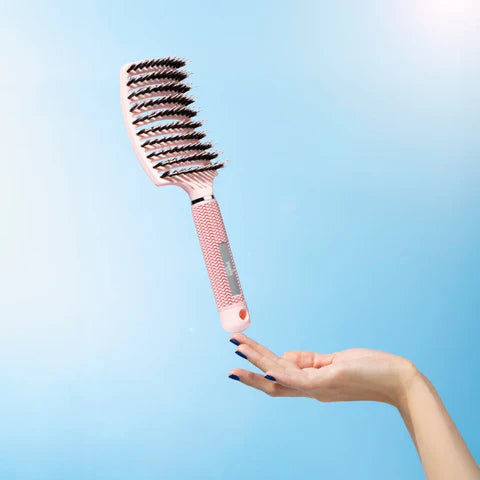
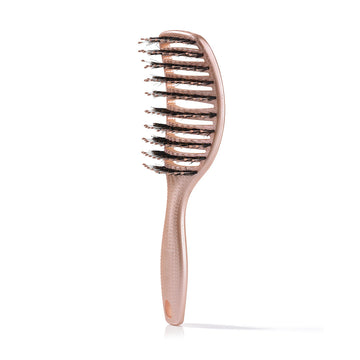
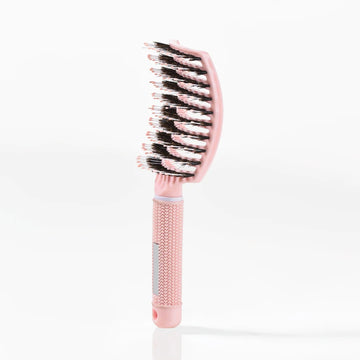
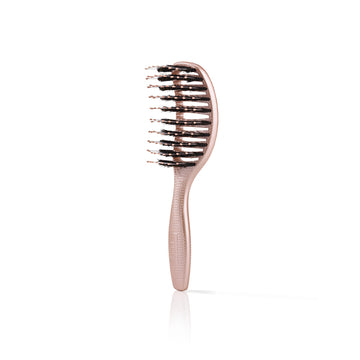
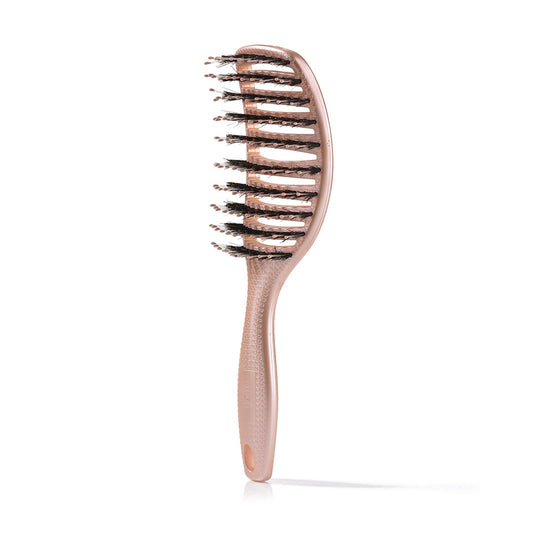
Incorporating the right tools into your hair care routine can also make a significant difference. For instance, using a Curvy Brush can help detangle hair gently, minimizing breakage and preserving hair strength.
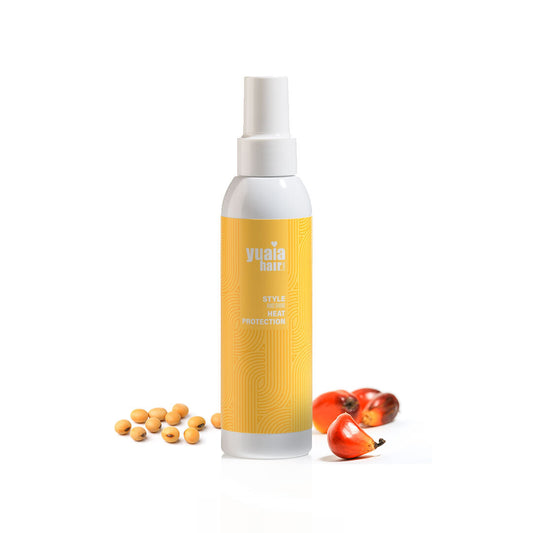
Protecting your hair from heat
If you frequently style your hair with heat tools, it's essential to protect it from further damage. At Yuaia Haircare, we offer a Style and Shine Heat Protection spray that can help shield your hair from heat damage, maintaining its health and vitality.
Frequently asked questions
Is it bad to wash your hair with hot water?
While washing your hair with hot water doesn't directly cause hair loss, it can lead to conditions such as dryness and irritation that make hair more prone to damage. Opting for lukewarm water is generally better for maintaining hair health.
What is the best way to wash hair to prevent damage?
To prevent damage, use lukewarm water for washing and finish with a cooler rinse to lock in moisture. Choose sulfate-free shampoos and nourishing conditioners to protect your hair from further damage.
When should you seek advice for hair loss?
If you notice excessive shedding or significant thinning, it may be time to consult a professional for personalized treatment options. Recognizing these signs early can help address underlying issues effectively.


