 2-5 day delivery
 25.000+ satisfied customers
 Satisfaction Guarantee












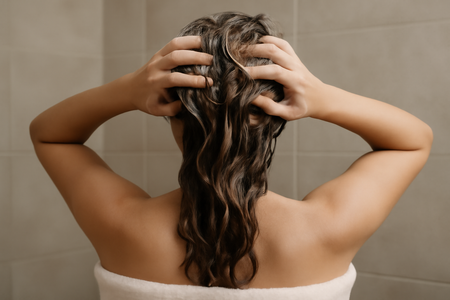

The science behind hair washing: What does research say?
Understanding the science of hair washing can help demystify the ideal frequency for different hair types. A key factor is scalp health, which is influenced by how often you wash your hair. Regular washing can help maintain a healthy scalp by removing dirt and excess oils, which can lead to conditions like dandruff and inflammation if left unchecked. However, overwashing can strip your hair of its natural oils, leading to dryness and irritation.
Studies suggest that washing frequency should align with individual scalp conditions rather than a one-size-fits-all approach. For instance, some research indicates that frequent washing can reduce scalp inflammation and improve overall hair health by keeping the scalp clean and balanced. This is particularly beneficial for those with oily or fine hair, where sebum production is higher.
On the other hand, less frequent washing is often recommended for dry or textured hair types. This approach helps preserve the natural oils that are crucial for maintaining moisture and preventing breakage. For these hair types, stretching the time between washes can enhance moisture retention and minimize damage.
How to maintain scalp health while extending wash intervals
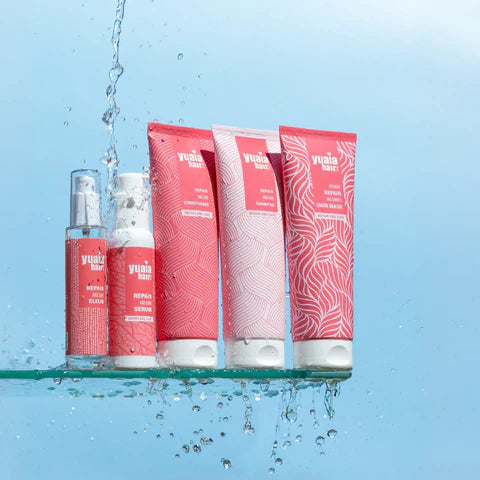
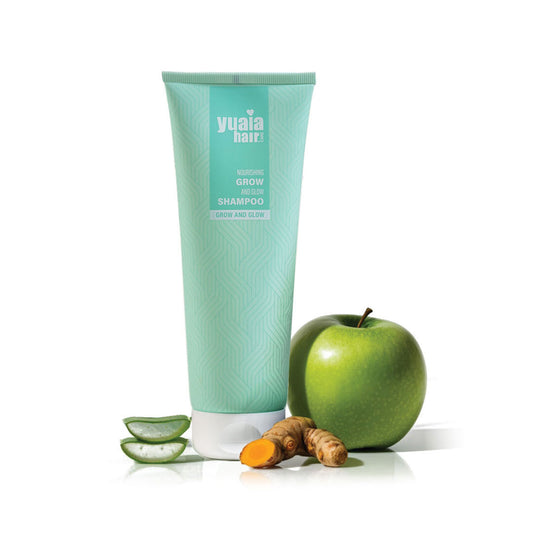
For those looking to extend the time between washes, maintaining scalp health is essential. Incorporating sulfate-free products into your routine can be a beneficial step. Sulfate-free shampoos, such as our Grow and Glow Shampoo, gently cleanse without stripping the scalp of its natural oils, supporting a healthier scalp environment.
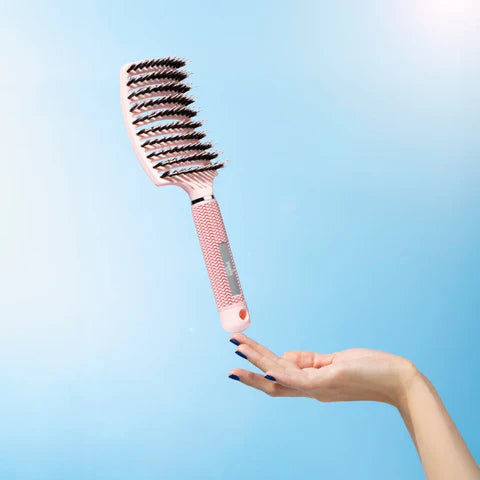
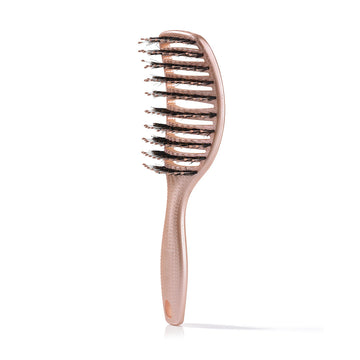
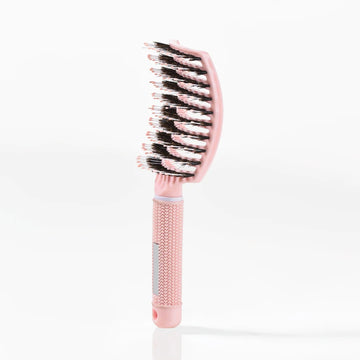
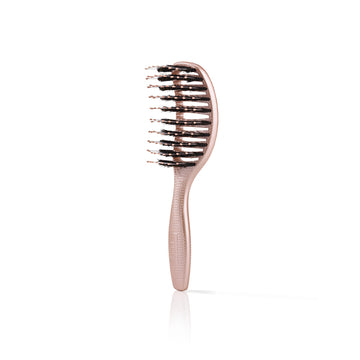
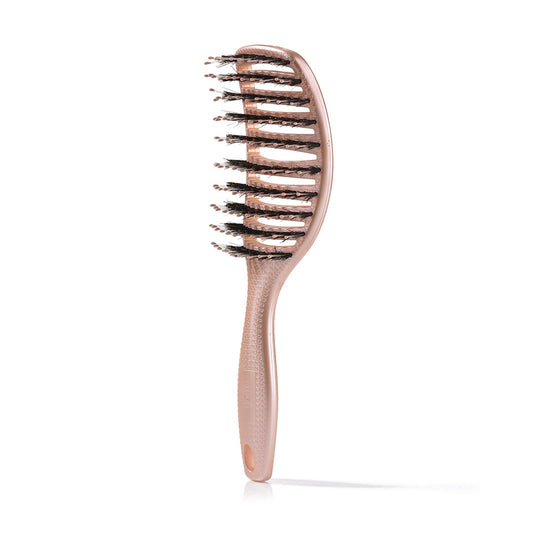
Additionally, using the right brushing techniques can help distribute natural oils from the scalp throughout your hair, contributing to healthier hair and scalp. The Curvy Brush is designed to help with this, using boar bristles to evenly spread oils and promote shine.
FAQs
Can overwashing damage my hair?
Yes, overwashing can strip your hair of its natural oils, leading to dryness and potential damage. Balancing wash frequency with your hair type is key to maintaining healthy hair.
Is it okay to never wash my hair?
While some advocate for minimal washing, completely avoiding washing can lead to scalp issues like buildup and bacterial growth. It's important to find a washing routine that keeps your scalp clean and healthy.
How do I know if my hair needs washing?
Signs that your hair needs washing include greasiness, an unpleasant odor, or scalp irritation. Listening to these cues can help you determine the right time to wash your hair.
How can you train your hair to go longer between washes?
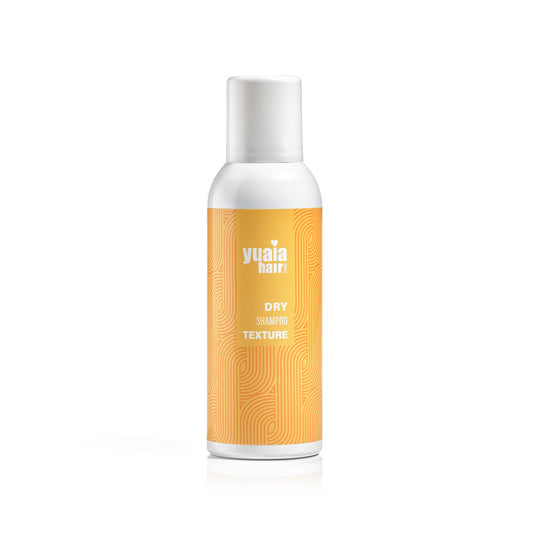
Gradually adjusting your hair washing schedule can help your scalp adapt to less frequent washes. Start by extending the time between washes by a day or two each week. This gradual shift allows your scalp's sebum production to rebalance, reducing the oily appearance over time. During this transition, using a dry shampoo can be beneficial to manage excess oil and maintain a fresh look. At Yuaia Haircare, we offer a Dry Shampoo that can help you extend the time between washes without compromising on style.
What role do environmental factors play in wash frequency?
Your lifestyle and environment significantly influence how often you should wash your hair. If you engage in activities that cause sweating or expose you to pollutants, such as exercising or commuting in a city, you might need to wash your hair more frequently to keep it clean. Additionally, climate conditions like humidity can affect your hair's oiliness and cleanliness. Understanding these factors can help you tailor your washing routine to your specific needs, ensuring your hair remains healthy and vibrant.
FAQs
Can overwashing damage my hair?
Yes, overwashing can strip your hair of its natural oils, leading to dryness and potential damage. Balancing wash frequency with your hair type is key to maintaining healthy hair.
Is it okay to never wash my hair?
While some advocate for minimal washing, completely avoiding washing can lead to scalp issues like buildup and bacterial growth. It's important to find a washing routine that keeps your scalp clean and healthy.
How do I know if my hair needs washing?
Signs that your hair needs washing include greasiness, an unpleasant odor, or scalp irritation. Listening to these cues can help you determine the right time to wash your hair.


