 2-5 day delivery
 25.000+ satisfied customers
 Satisfaction Guarantee












Como consertar cabelos quimicamente queimados: passos essenciais para recuperação e cuidado

por Nanna Bundgaard | 08. January 2026 | Tempo de leitura: 6 minutos
Leia mais sobre o autorCabelo queimado quimicamente é um problema angustiante que muitas pessoas enfrentam, muitas vezes resultante do processamento excessivo com tinturas de cabelo, relaxantes ou permanentes. Os danos podem variar de leves a graves, manifestando-se como fios quebradiços, textura semelhante a palha ou até mesmo quebra. Lidar com cabelos queimados quimicamente requer a compreensão da extensão dos danos e a implementação de uma rotina de recuperação direcionada.
Qual é o impacto dos danos químicos?
O cabelo quimicamente queimado apresenta-se como uma alteração significativa na estrutura do cabelo. Cabelo levemente danificado pode parecer seco e opaco, mas cabelo gravemente queimado é frequentemente caracterizado por:
- Elasticidade quando molhado, levando ao rompimento
- Uma textura semelhante a palha, fazendo com que pareça áspero e áspero
- Quebra ou pontas duplas mais pronunciadas
Compreender estas diferenças é importante para elaborar um plano de recuperação eficaz. Embora cabelos levemente danificados possam muitas vezes ser tratados com rotinas de cuidado aprimoradas, cabelos gravemente queimados podem exigir intervenções mais intensivas.
Medidas imediatas de primeiros socorros
Ao perceber que seu cabelo está quimicamente queimado, é importante tomar medidas imediatas para evitar maiores danos. Aqui estão alguns primeiros passos essenciais:
- Interrompa todos os tratamentos químicos imediatamente para evitar danos adicionais.
- Evite ferramentas de modelagem térmica, pois elas podem agravar os danos.
- Se o couro cabeludo apresentar sinais graves de danos, como bolhas ou secreção, consulte um profissional para aconselhamento.
Seguir essas etapas iniciais pode ajudar a estabilizar a condição do seu cabelo, preparando o terreno para a recuperação.
Identificando cabelos quimicamente queimados
Reconhecer os sinais de cabelo queimado quimicamente é o primeiro passo para resolver o problema de forma eficaz. Procure características físicas como mudança na textura, aumento da fragilidade e perda de elasticidade. Distinguir entre danos químicos gerais e queimaduras graves é fundamental para selecionar a abordagem de tratamento correta.
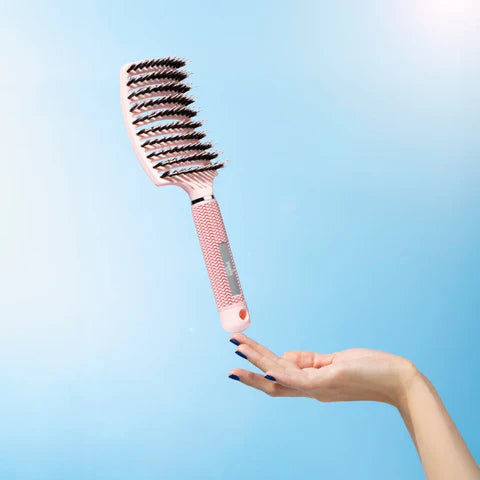
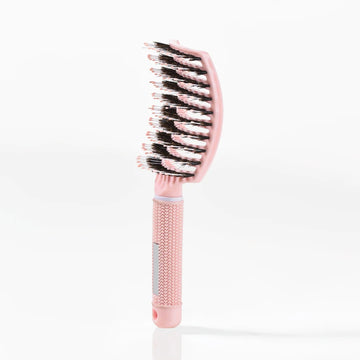
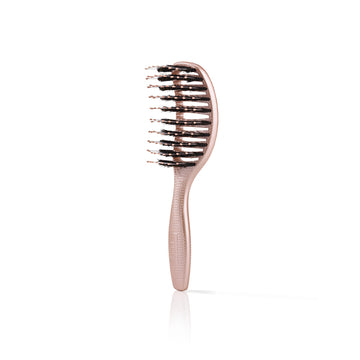
A implementação de um plano de recuperação envolve medidas imediatas e cuidados de longo prazo. Para quem deseja iniciar sua jornada rumo a um cabelo mais saudável, considere usar um escova com cerdas de javali para desembaraçar suavemente sem causar mais danos. Além disso, se você precisar usar modelagem térmica, sempre aplique um spray protetor de calor para minimizar o impacto no seu cabelo.
[produtos_1]Cortando e minimizando mais danos
Um dos primeiros passos na recuperação de cabelos queimados quimicamente é apará-los. Cortar as pontas danificadas ajuda a evitar que as pontas duplas subam pela haste do cabelo, o que pode causar mais quebras. É aconselhável fazer uma pausa em todos os processos químicos e modelagem térmica por pelo menos 8 a 10 semanas. Esta pausa dá ao seu cabelo o tempo necessário para recuperar força e estabilidade. Durante este período, concentre-se em técnicas de modelagem suaves que não estressem o cabelo.
Equilíbrio de umidade e proteínas
Alcançar um equilíbrio entre hidratação e proteína é essencial para reparar cabelos quimicamente queimados. Máscaras de condicionamento profundo e tratamentos com proteínas desempenham um papel fundamental nesta fase de recuperação. Os tratamentos à base de umidade ajudam a reidratar o cabelo, tornando-o mais macio e maleável. Por outro lado, os tratamentos proteicos atuam reconstruindo a estrutura interna do cabelo, fortalecendo-o por dentro.
Alternar entre esses dois tipos de tratamentos pode ajudar a restaurar o equilíbrio natural do cabelo. Por exemplo, você pode usar uma máscara de condicionamento profundo em uma semana e um tratamento com proteínas na seguinte. Essa abordagem garante que seu cabelo receba a hidratação e o suporte estrutural de que necessita.
Rotina diária de cuidados delicados
Estabelecer uma rotina diária suave de cuidados com os cabelos é crucial para manter o progresso obtido através dos tratamentos. Use shampoos sem sulfato e condicionadores ricos para limpar e nutrir o cabelo sem retirar os óleos essenciais. Nosso Grow and Glow xampu é uma excelente escolha para quem tem cabelos ralos ou lisos, pois auxilia na retenção de umidade enquanto limpa suavemente.
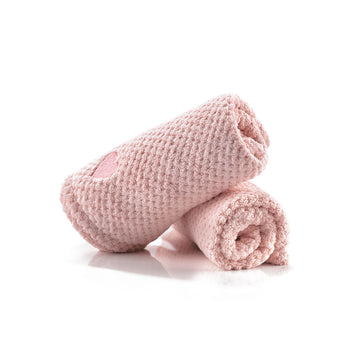
[produtos_2]Incorpore um condicionador sem enxágue para fornecer hidratação e proteção contínuas ao longo do dia. Além disso, considere usar um pente de dentes largos para desembaraçar suavemente o cabelo, minimizando quebras e maiores danos. Se precisar secar o cabelo, opte por secar ao ar ou use uma toalha de microfibra para reduzir o atrito e evitar estresse adicional no cabelo.
[produtos_3]Get a 10% discount code sent to you
Receive the best tips and tricks for your hair from Lotte and Nanna 🥰
Escolhendo os produtos certos para cabelos quimicamente queimados
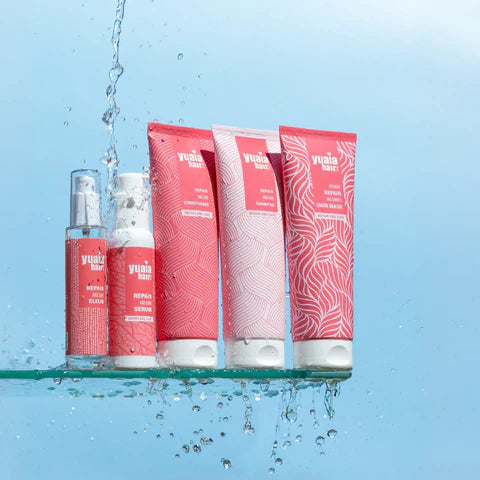
Ao lidar com cabelos quimicamente queimados, selecionar os produtos certos é vital para a recuperação e proteção. Opte por shampoos e condicionadores sem sulfato e sem silicone, pois essas formulações limpam suavemente sem retirar a oleosidade natural do cabelo. Em Yuaia Haircare, nós oferecemos um Óleo de alecrim que pode ser aplicado nas pontas do cabelo para ajudar a repor a umidade perdida e dar brilho. Este óleo é particularmente benéfico para cabelos secos, danificados ou tingidos.
[produtos_4]Técnicas suaves de desembaraço
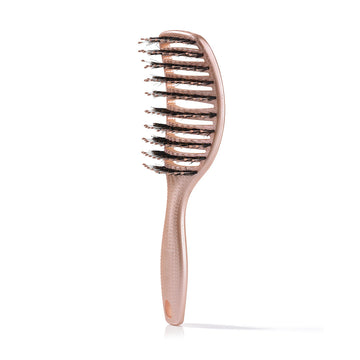
O desembaraço adequado é uma parte importante do cuidado com cabelos queimados quimicamente. Use um pente de dentes largos ou os dedos para pentear suavemente os emaranhados, começando pelas pontas e subindo gradualmente até a raiz. Isso minimiza a quebra e reduz o estresse nos fios enfraquecidos. Para uma abordagem ainda mais suave, considere usar nosso escova curvilínea com cerdas de javali, que desliza suavemente pelo cabelo, reduzindo o risco de maiores danos.
[produtos_5]Perguntas frequentes
Cabelo queimado quimicamente pode ser reparado sem cortá-lo?
Embora o cabelo gravemente queimado não possa ser totalmente restaurado, ele pode ser mais manejável com os cuidados certos. Tratamentos hidratantes e proteicos podem melhorar a aparência e o toque do cabelo, mas muitas vezes é necessário aparar para remover as seções mais danificadas.
Meu cabelo voltará a crescer após uma queimadura química?
O crescimento do cabelo é possível após uma queimadura química, dependendo da gravidade do dano. Manter um couro cabeludo saudável e uma rotina de cuidados consistente apoia o crescimento. É importante ter paciência, pois esse processo pode levar tempo.
Quanto tempo devo esperar antes de pintar meu cabelo novamente?
É aconselhável esperar até que o cabelo recupere força e resiliência antes de voltar a sofrer qualquer processo químico. Recomenda-se um período de pelo menos 8 a 10 semanas para permitir que seu cabelo se recupere e se estabilize.
Get a 10% discount code sent to you
Receive the best tips and tricks for your hair from Lotte and Nanna 🥰


