 2-5 day delivery
 25.000+ satisfied customers
 Satisfaction Guarantee










Pre-exposure protection: Essential steps for beach-ready hair
Preparing your hair before heading to the beach can significantly reduce the damaging effects of salt water. One of the simplest yet most effective methods is to pre-wet your hair with fresh water. By doing this, you fill your hair with moisture, which minimizes the amount of salt water it can absorb. This step is a quick and easy way to create a protective barrier without the need for additional products.
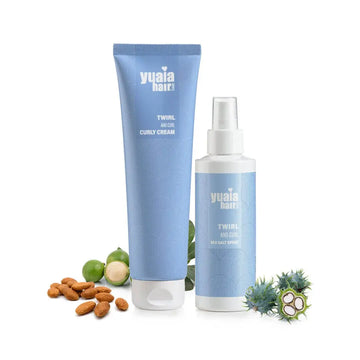
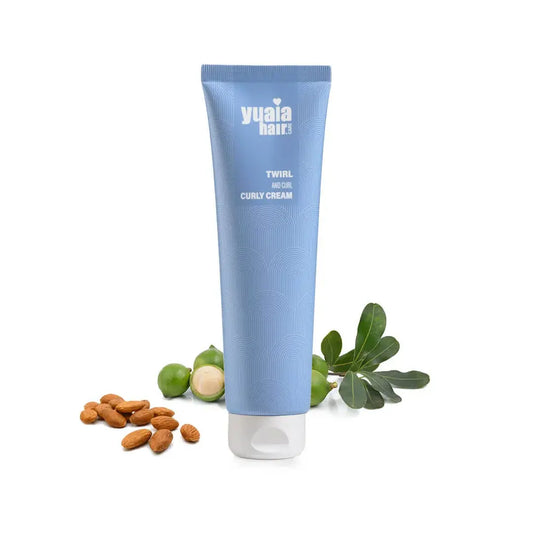
In addition to pre-wetting, applying a protective barrier is crucial. Natural oils, such as jojoba or coconut, are excellent choices for creating a moisture-locking shield. These oils help to seal in hydration, ensuring your hair remains soft and manageable despite exposure to salt water. For those with curly hair, consider using our Twirl and Curl curly cream to maintain curl definition while adding a layer of protection.
Choosing the right hairstyle can also make a difference. Opt for protective styles like braids or buns to minimize exposure and prevent tangling. These styles not only protect your hair from salt water but also reduce the risk of UV damage, keeping your hair healthy and vibrant.
During-activity measures: Keeping hair safe at the beach
While enjoying your time at the beach, it's important to continue protecting your hair. Wearing a swim cap or a wide-brimmed hat can provide a physical barrier against salt water and harmful UV rays. This dual protection helps maintain your hair's moisture and prevents sun damage.
If you're spending an extended period at the beach, consider reapplying protective products like oils or leave-in conditioners. This helps to reinforce the moisture barrier and keep your hair hydrated throughout the day. Remember, the key is to maintain a consistent layer of protection to combat the drying effects of salt water.
Post-exposure repair: Restoring hair health after the beach
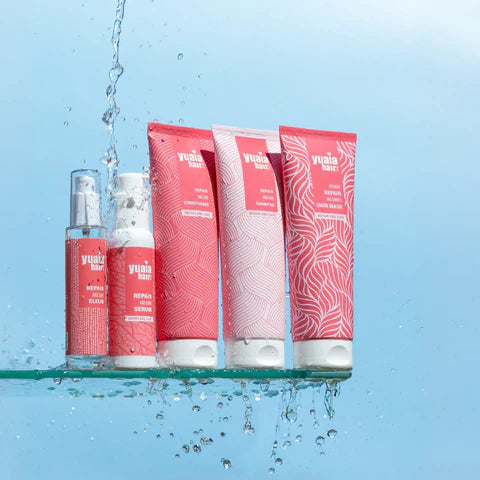
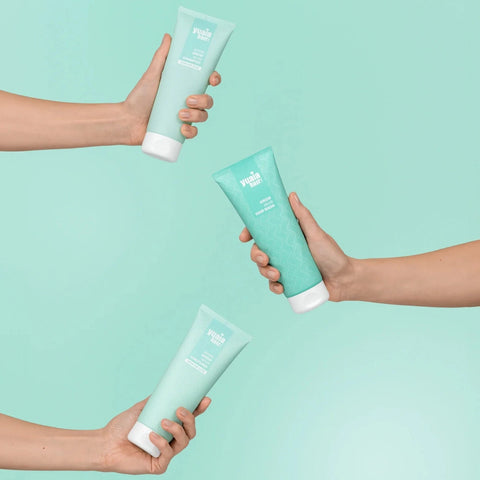
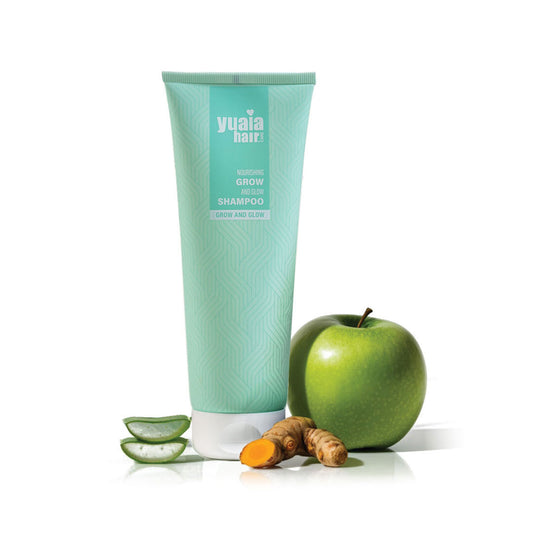
After a day at the beach, it's crucial to rinse your hair with fresh water immediately. This step helps remove salt residue that can lead to dryness and tangling. Following up with a gentle cleansing routine using a sulfate-free shampoo, such as our Grow and Glow Shampoo, ensures that your hair is clean without stripping away essential moisture.
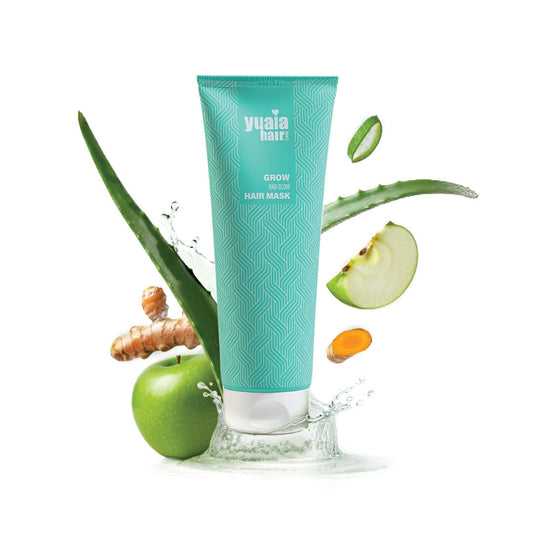
To further restore moisture, consider using a deep conditioner or hair mask. These treatments help repair any damage caused by salt water, leaving your hair soft and nourished. For optimal results, leave the conditioner or mask on for at least 10 minutes before rinsing.
By incorporating these strategies into your beach routine, you can enjoy the sun and sea without compromising your hair's health and beauty.
Long-term hair health tips: Maintaining your beach-ready locks
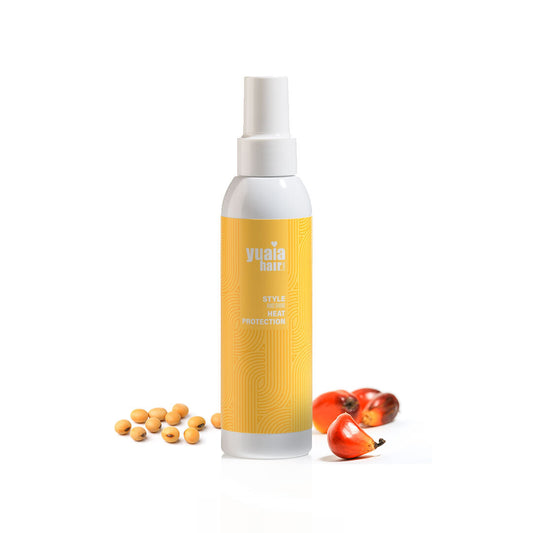
While immediate protection and repair are essential for managing salt water exposure, maintaining long-term hair health is equally important. One effective strategy is to limit the use of heat styling tools. After a day at the beach, your hair may already be stressed from salt water exposure, and adding heat can exacerbate the damage. Instead, allow your hair to air dry or use a heat protectant, like our Style and Shine Heat Protection, to shield your hair if you must use heat styling tools.
Regular trims are another key factor in keeping your hair healthy. Trimming your hair every 6-8 weeks helps eliminate split ends and prevents them from traveling up the hair shaft, ensuring your hair remains strong and vibrant.
Frequently asked questions
What are the best oils for protecting hair from salt water?
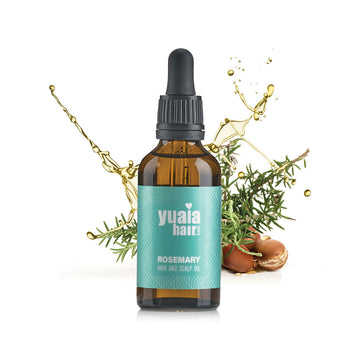
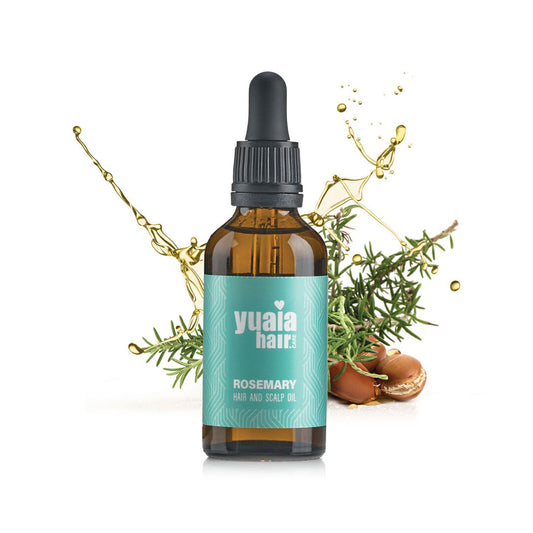
Oils such as jojoba and coconut are excellent choices for protecting hair from salt water. These oils create a moisture-locking barrier that helps maintain hydration and prevent dryness and tangling. Rosemary oil is also a popular option for its nourishing properties, and you can find our Rosemary Hair Oil for added protection.
Can I use regular conditioner as a leave-in for beach days?
Using a regular conditioner as a leave-in can provide some protection, but it may not be as effective as a product specifically made for leave-in use. Regular conditioners are typically rinsed out and may not offer the same level of moisture retention as leave-in conditioners, which are formulated to stay in the hair and provide ongoing protection.
How often should I use a hair mask after swimming in salt water?
The frequency of hair mask usage depends on your hair type and the extent of salt water exposure. Generally, using a hair mask once a week can help restore moisture and repair damage. If your hair is particularly dry or damaged, consider using a mask more frequently to ensure optimal hydration and repair.


