2-5 day delivery
 25.000+ satisfied customers
 Satisfaction Guarantee




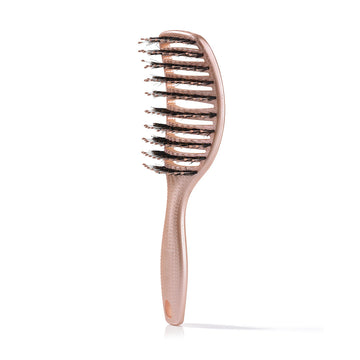
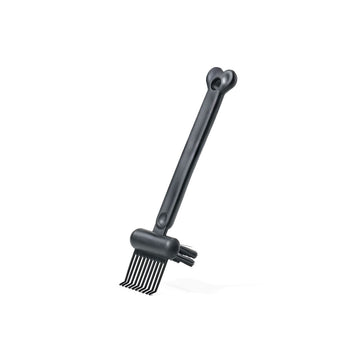
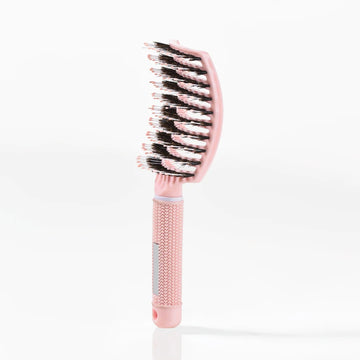

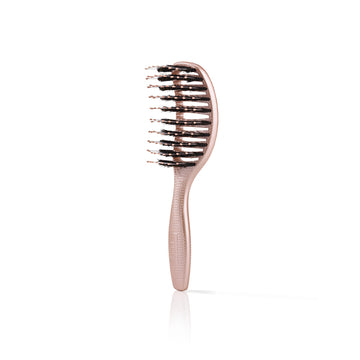




Tactile and behavioral symptoms
While the visual signs of over-processed hair are apparent, tactile and behavioral symptoms can provide further insights into the extent of the damage. These symptoms often manifest in the way your hair feels and behaves during daily care routines.
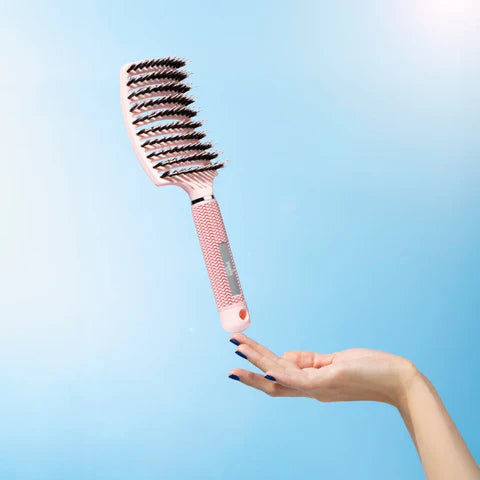
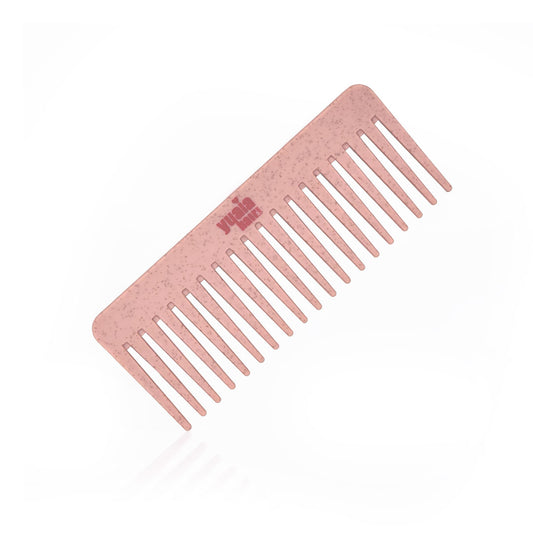
- Tangling and knots: Over-processed hair tends to tangle more easily, making detangling a challenging task. This increased tangling occurs because the hair cuticle is roughened and damaged, causing strands to catch on each other. Using a wide-toothed comb can help ease the detangling process, minimizing breakage and reducing stress on your hair.
- Split ends and breakage: One of the most common symptoms of over-processing is the appearance of split ends and increased breakage. Hair that is over-processed becomes weaker and more prone to snapping, particularly at the tips. Regular trims and gentle handling can help manage this issue, but it's also important to address the underlying damage with restorative treatments.
- Styling challenges: Over-processed hair often struggles to hold styles due to its inconsistent texture and reduced elasticity. Whether you're trying to create curls or maintain a sleek look, the lack of natural bounce and flexibility can make styling difficult. Incorporating a heat protectant spray can help shield your hair from further damage during styling, allowing you to achieve your desired look with less risk.
Common causes of over-processed hair
Understanding the root causes of over-processed hair can guide you in making better choices for your hair care routine. Several factors contribute to the damage, and being aware of them can help you prevent further harm.
- Chemical treatments: Frequent use of chemical treatments such as dyeing, bleaching, and relaxing can significantly impact hair health. These processes alter the hair's structure, leaving it vulnerable to damage and moisture loss.
- Heat styling: Regular use of heat styling tools, like flat irons and curling wands, can weaken hair over time. The intense heat strips away moisture and damages the hair cuticle, leading to the symptoms of over-processing.
- Harsh products: Products containing sulfates and silicones can exacerbate hair damage by stripping natural oils and creating a barrier that prevents moisture from penetrating the hair shaft. Opting for gentler, sulfate-free alternatives can help maintain hair health.
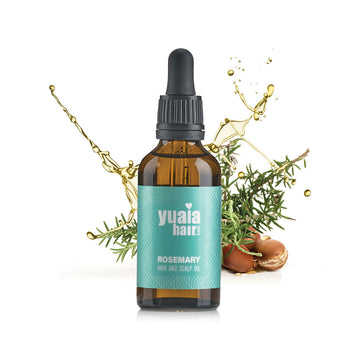
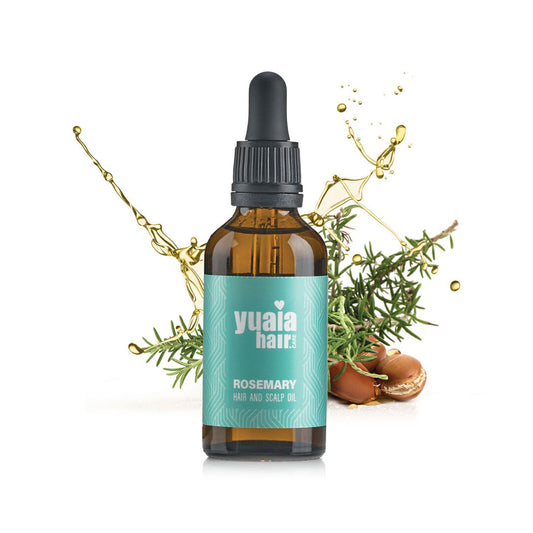
Incorporating a nourishing hair oil, such as our rosemary hair oil, into your routine can provide essential hydration and support recovery from over-processing. This oil is designed to enhance softness and manageability, making it a beneficial addition to your hair care regimen.
Additional tips for managing over-processed hair
For those dealing with over-processed hair, focusing on gentle care practices can make a significant difference. Simple adjustments in your routine can help restore hair health and prevent further damage.
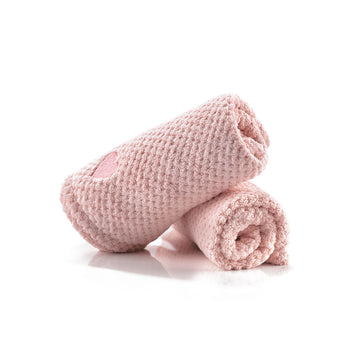
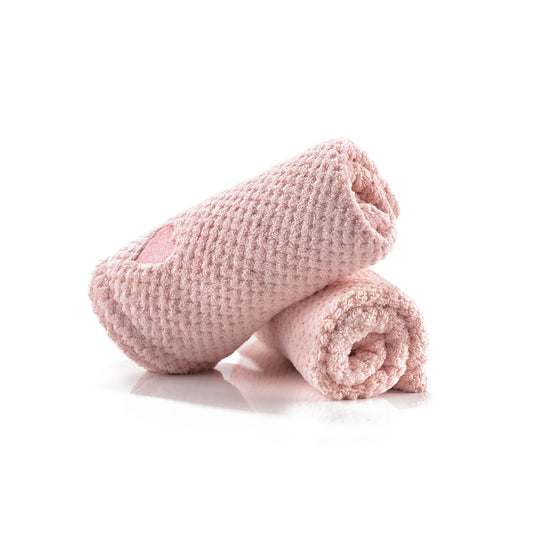
- Gentle drying methods: After washing your hair, opt for a microfiber towel to gently blot excess water. This helps reduce friction and minimizes breakage compared to traditional towels.
- Protective hairstyles: Wearing your hair in protective styles like braids or buns can help shield it from environmental stressors and reduce the need for daily styling.
- Regular trims: Scheduling regular trims every 6-8 weeks can help remove split ends and prevent further damage from traveling up the hair shaft.
Frequently asked questions
How can I prevent further damage to over-processed hair?
To prevent further damage, limit the use of heat styling tools and chemical treatments. Opt for products that are free from harsh sulfates and silicones, and incorporate nourishing treatments to maintain moisture.
What is the best way to detangle fragile hair?
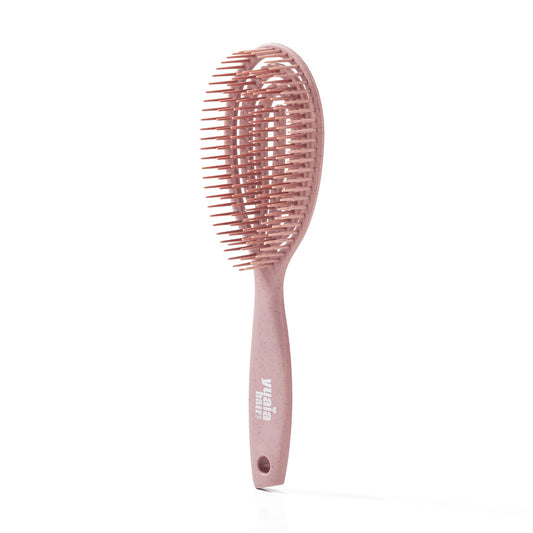
Use a wide-toothed comb or a brush made for delicate hair to gently detangle. Start from the ends and work your way up to avoid pulling and breaking the strands.
Can over-processed hair be reversed?
While you cannot completely reverse the damage, consistent care and the use of restorative products can significantly improve the condition of your hair over time.
What are the signs that my hair is over-processed?
Common signs include a rough, straw-like texture, dullness, frizz, increased tangling, split ends, and difficulty in styling. These symptoms indicate that the hair cuticle is damaged and needs attention.
How often should I wash over-processed hair?
It's best to wash over-processed hair less frequently to preserve natural oils. Aim for 2-3 times a week using a gentle, sulfate-free shampoo.