 2-5 day delivery
 25.000+ satisfied customers
 Satisfaction Guarantee









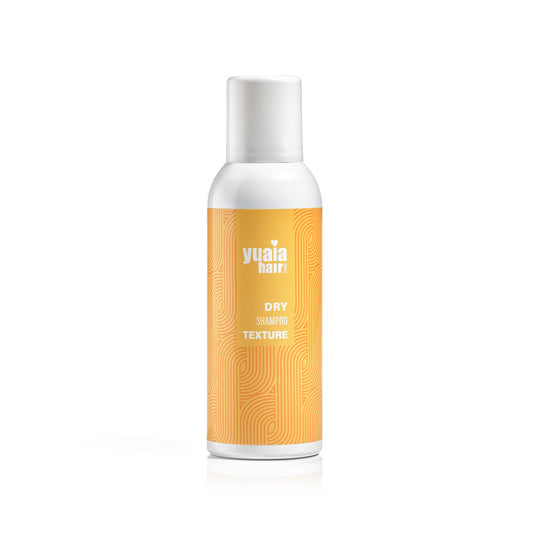
Preventing oil overload in your hair care routine
While dealing with excess oil in your hair can be frustrating, understanding how to prevent it in the first place is essential for maintaining optimal hair health. Over-oiling is often the result of incorrect application techniques or using oils that are too heavy for your hair type. Here’s how you can avoid these pitfalls and keep your hair looking its best.
Proper oil application techniques
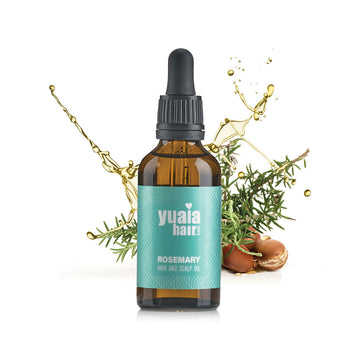
When applying oil to your hair, the technique is crucial. One effective method is to warm the oil in your palms before application. This helps the oil spread more evenly, ensuring you use just the right amount. Focus the application on the mid-lengths and ends of your hair, steering clear of the scalp to prevent greasy roots. This approach allows the oil to nourish your hair where it’s needed most, without weighing it down.
Frequency and quantity guidelines
Finding the right balance in how often and how much oil to use is key. For most hair types, applying oil 1-2 times a week is sufficient. Fine or thin hair may require even less frequent application to avoid the risk of being weighed down. Start with a small amount and gradually increase if necessary, always observing how your hair responds.
Choosing the right oil for your hair type
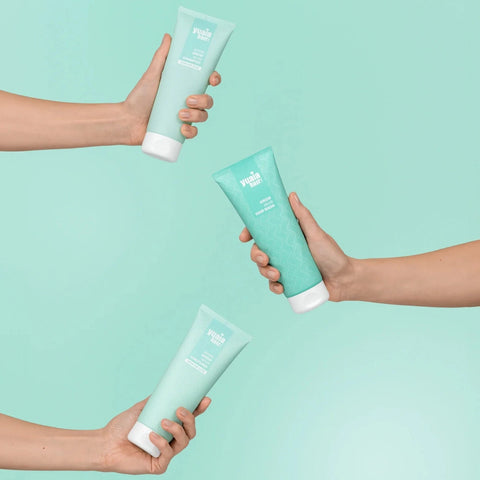
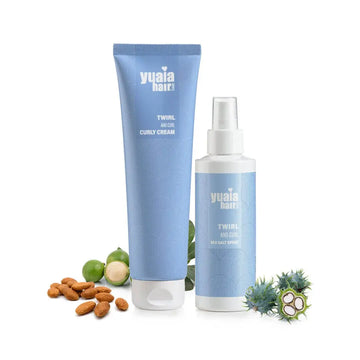
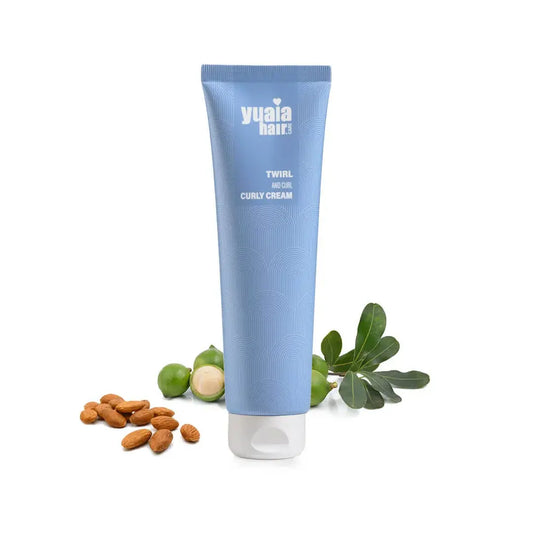
Selecting the appropriate oil can make a significant difference in preventing over-oiling. Lightweight oils such as jojoba or argan are excellent choices for those with fine or thin hair, as they provide hydration without adding unnecessary heaviness. For those with curly hair, using products specifically designed for curls can help maintain moisture without excess oil. Our Twirl and Curl curly cream is formulated to enhance your natural curls while keeping them well-nourished.
Long-term scalp health considerations
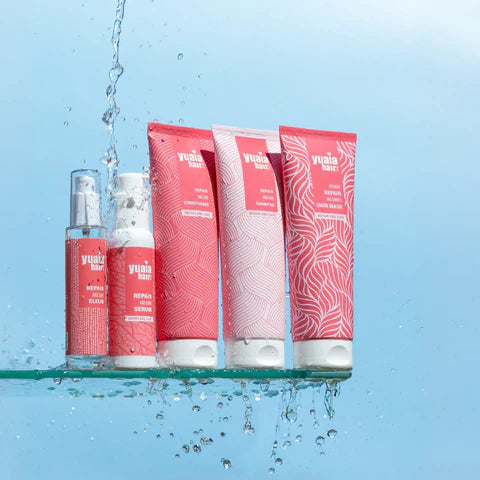
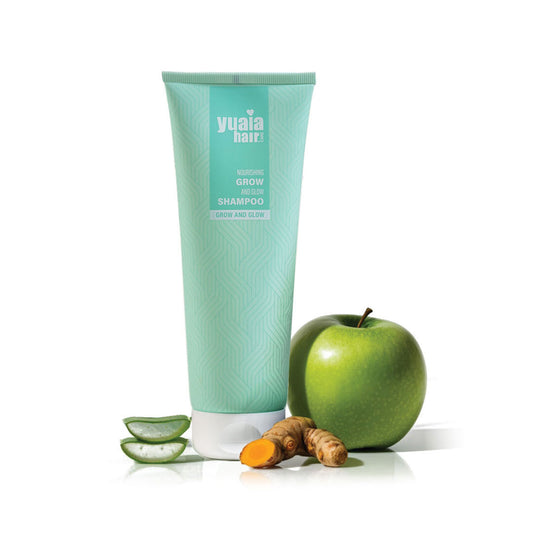
Beyond immediate solutions, maintaining a healthy scalp is vital for overall hair health. Excessive oiling can lead to product buildup, which can clog pores and cause irritation. To prevent this, it’s important to use sulfate-free shampoos that gently cleanse without stripping your hair of its natural oils. Our Grow and Glow Shampoo offers a gentle cleansing experience, helping to maintain a clean and healthy scalp.
By understanding how to properly apply and choose the right oils, you can prevent the common mistake of over-oiling and keep your hair looking and feeling its best. Incorporating these techniques into your routine will help you achieve the perfect balance of moisture and vitality.
Comparative oil analysis by hair type
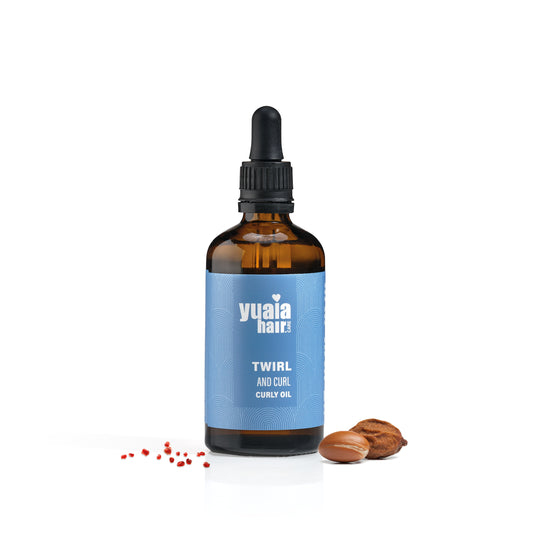
When it comes to hair oils, not all types are created equal. The choice of oil can significantly impact your hair's appearance and health, especially if you're prone to over-oiling. For those with fine hair, lightweight oils like jojoba or argan are ideal. These options provide hydration without weighing down the hair, helping maintain volume and bounce. On the other hand, curly hair may benefit from richer oils that can penetrate and nourish the curls deeply, ensuring they stay defined and moisturized.
Long-term scalp health tips
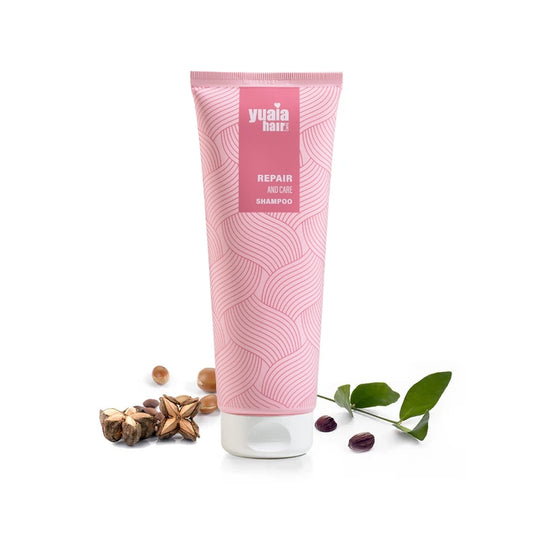
Maintaining a healthy scalp is essential for overall hair health and preventing issues related to over-oiling. One effective strategy is to avoid product buildup, which can clog pores and lead to irritation. Using sulfate-free shampoos is a great way to gently cleanse the scalp without stripping natural oils. At Yuaia Haircare, we offer the Grow and Glow Shampoo and Repair and Care Shampoo, both of which are made to maintain a clean and healthy scalp, supporting long-term hair health.
Frequently asked questions
What should I do if I don't have dry shampoo?
If you don't have dry shampoo on hand, you can try blotting your hair with a clean towel to absorb excess oil. Another option is to lightly mist your hair with water and use a blow-dryer on a low setting to help evaporate the oil.
Can over-oiling lead to hair loss?
While over-oiling itself doesn't directly cause hair loss, it can lead to scalp issues such as clogged pores and irritation, which might contribute to hair thinning. Ensuring proper application techniques and using the right amount of oil can help maintain scalp health.
How do I know which oil is right for my hair type?
Choosing the right oil depends on your hair's texture and needs. For fine hair, opt for lightweight oils like jojoba or argan to avoid weighing it down. Curly hair may benefit from richer oils that provide deep nourishment. Consider your hair's specific requirements to make the best choice.


