 2-5 day delivery
 25.000+ satisfied customers
 Satisfaction Guarantee








Why does my hair feel thinner? Uncover the causes and solutions here

por Nanna Bundgaard | 21. February 2026 | Tempo de leitura: 6 minutos
Leia mais sobre o autorImagine standing in front of the mirror, running your fingers through your hair, and noticing it feels thinner than it used to. This can be an unsettling experience, sparking immediate concern about potential hair loss. However, it's important to understand that feeling like your hair is thinner doesn't always mean you're losing hair.
Why does hair feel thinner?
Hair feeling thinner can be alarming, but it’s not always linked to actual hair loss. Sometimes, it's a matter of perception, influenced by various factors that affect how hair appears and feels. This blog post aims to explore both perceived and actual causes of thinning hair and provide actionable solutions to help you regain that feeling of fullness.
Flat roots and oiliness
One common reason your hair might feel thinner is due to flat roots, often caused by excess oil or humidity. When your scalp produces too much oil, or when the weather is particularly humid, it can weigh your hair down at the roots, making it appear less voluminous. This doesn't mean you've lost hair; it's simply a matter of your hair being weighed down.
Porosity changes
Changes in hair porosity can also affect how thick or thin your hair feels. Hair porosity refers to your hair's ability to absorb and retain moisture. High porosity hair absorbs moisture quickly but also loses it just as fast, leading to a lack of fullness. Low porosity hair, on the other hand, can feel limp because it struggles to absorb moisture. Environmental factors like hard water can exacerbate these issues, impacting the overall texture and feel of your hair.
Breakage and styling damage
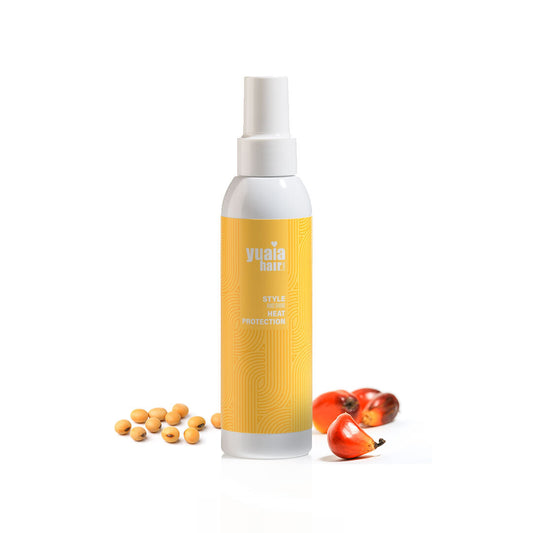
Frequent heat styling and chemical treatments can lead to breakage, which may create the illusion of thinner hair. When hair strands break, they can become uneven, making your hair appear less dense than it actually is. To protect your hair from heat damage, consider using a heat protectant spray before styling.
Medical and lifestyle factors
When considering why your hair feels thinner, it's important to explore potential medical and lifestyle factors. Hormonal changes are a significant contributor. Events such as pregnancy, menopause, or thyroid issues can alter hormone levels, impacting hair density. These fluctuations can lead to temporary thinning, which often resolves once hormone levels stabilize.
Stress is another factor that can lead to hair feeling thinner. High stress levels can push hair follicles into a resting phase, leading to more hair falling out than usual. This condition, known as telogen effluvium, is typically temporary but can be distressing. Managing stress through relaxation techniques or lifestyle changes can help mitigate this effect.
Nutrition also plays a role in hair health. While a balanced diet supports hair health, deficiencies in essential nutrients like iron and protein can contribute to the sensation of thinner hair. Ensuring a diet rich in these nutrients can help maintain hair thickness.
Medical conditions
Certain medical conditions can lead to actual hair thinning rather than just the perception of it. Conditions like alopecia areata, an autoimmune disorder that causes patchy hair loss, or telogen effluvium, can significantly impact hair density. If you notice sudden or patchy hair loss, it's essential to consult a healthcare provider for a proper diagnosis and treatment plan.
Product buildup and hair care practices
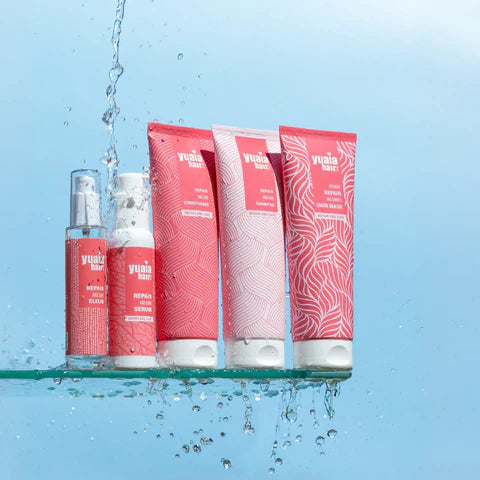
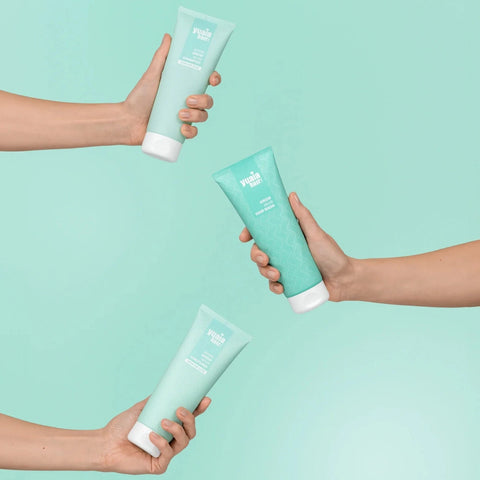
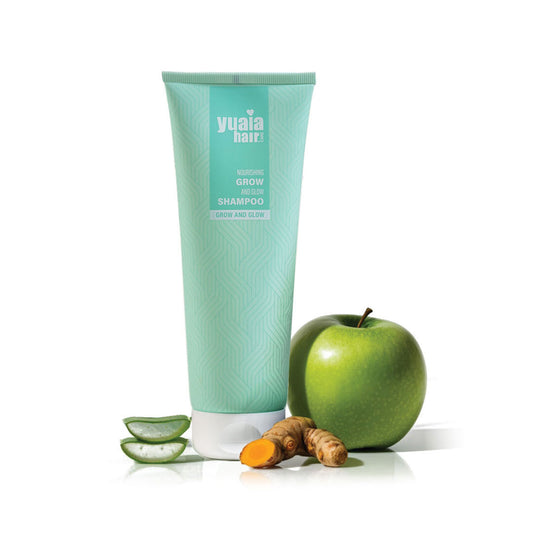
Product buildup is a common cause of hair feeling thinner. Many hair products contain silicones and sulfates, which can lead to buildup on the scalp and hair, weighing it down and making it appear thinner. Switching to a sulfate-free shampoo, such as our Grow and Glow shampoo, can help cleanse the hair without stripping it of its natural oils.
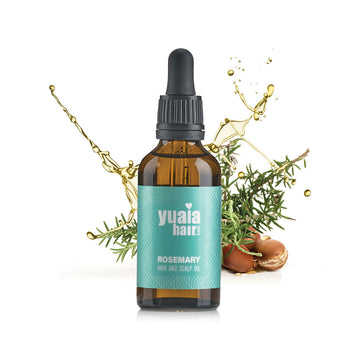
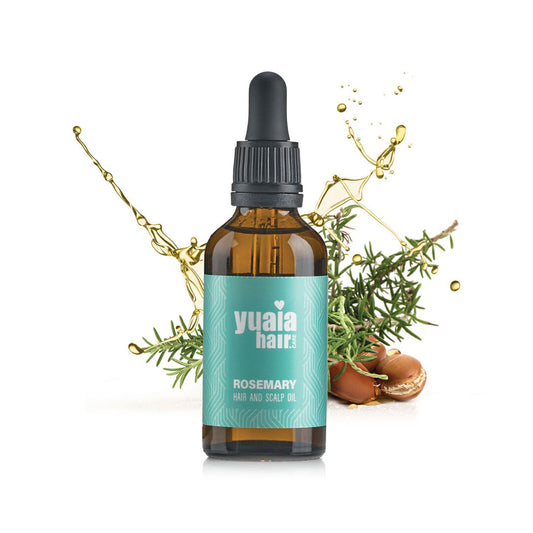
Proper hydration and conditioning are vital for maintaining hair health and fullness. Using the right conditioners can help keep hair moisturized, preventing it from becoming dry and brittle. Additionally, incorporating a rosemary hair oil into your routine can nourish the scalp and hair, promoting a healthier appearance.
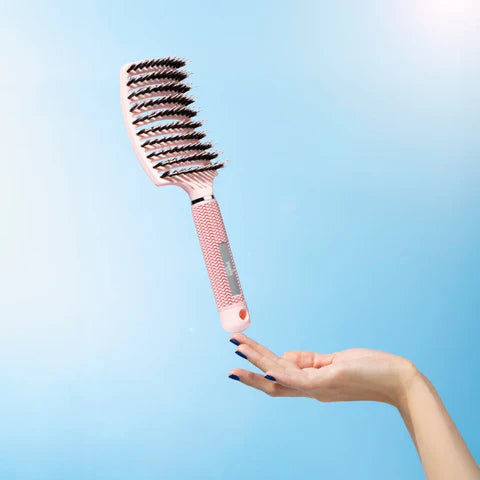
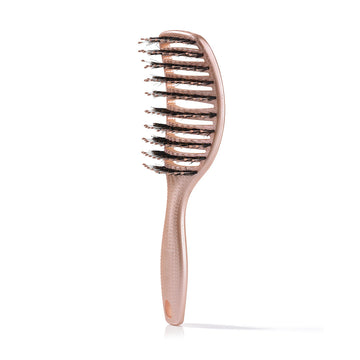
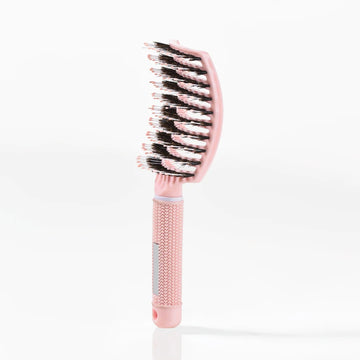
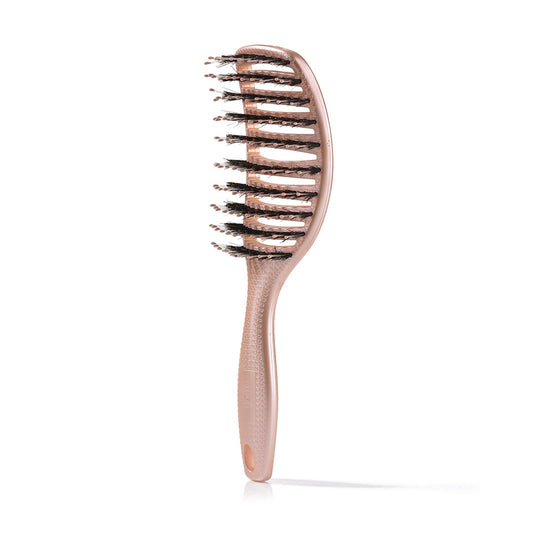
Brushing techniques also play a role in how hair feels. Using a boar bristle brush, like our Curvy Brush, can help distribute natural oils from the scalp throughout the hair, enhancing its texture and appearance.
Get a 10% discount code sent to you
Receive the best tips and tricks for your hair from Lotte and Nanna 🥰
Natural remedies for fuller hair
For those seeking natural solutions to enhance hair volume, several remedies can be beneficial. Regular scalp massages can stimulate blood flow to the hair follicles, potentially encouraging thicker hair growth. Using products made with natural ingredients can also be advantageous. For example, our rosemary hair oil is known for its nourishing properties, which can support a healthier scalp environment.
Additionally, using a sulfate-free shampoo can help maintain the natural oils of the hair, preventing dryness and brittleness. This is especially important for those with high porosity hair, which tends to lose moisture quickly. By opting for gentle, natural products, you can help your hair maintain its natural fullness and vitality.
When to seek professional help
While many causes of hair feeling thinner can be addressed with changes in haircare practices, there are times when professional guidance is necessary. If you experience sudden, patchy hair loss or if your hair continues to feel thinner despite trying various solutions, it may be time to consult a dermatologist or trichologist. These specialists can provide a thorough examination and recommend appropriate treatments based on your specific condition.
Frequently asked questions
Is my hair loss permanent?
Hair loss can be either temporary or permanent, depending on the underlying cause. Conditions like telogen effluvium are typically temporary, while genetic factors may lead to more permanent thinning. Consulting a healthcare provider can help determine the nature of your hair loss.
What role does diet play in hair health?
A balanced diet is essential for maintaining healthy hair. Ensuring you consume enough essential nutrients can support the overall health and appearance of your hair.
How often should I wash my hair to avoid thinning?
The frequency of hair washing depends on your hair type and lifestyle. Generally, washing your hair every 2-3 days is sufficient for most people. Overwashing can strip your hair of its natural oils, while infrequent washing can lead to product buildup, both of which can affect hair volume.
Get a 10% discount code sent to you
Receive the best tips and tricks for your hair from Lotte and Nanna 🥰


