2-5 day delivery
 25.000+ satisfied customers
 Satisfaction Guarantee









How washing frequency affects your scalp
Finding the right balance in your hair-washing routine is essential for maintaining a healthy scalp. Both overwashing and underwashing can contribute to post-wash itchiness, but for different reasons.
Overwashing vs. underwashing
Overwashing your hair can strip away natural oils that are essential for keeping your scalp moisturized. This can lead to dryness and irritation, causing your scalp to itch. On the other hand, underwashing can result in a buildup of oils, dirt, and product residues. This buildup can clog hair follicles, leading to an itchy sensation as well.
Finding the right balance
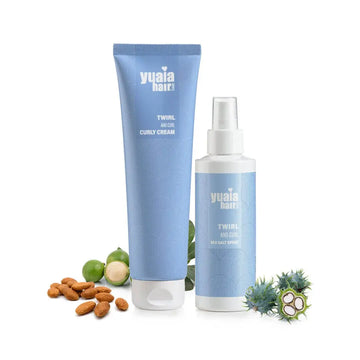
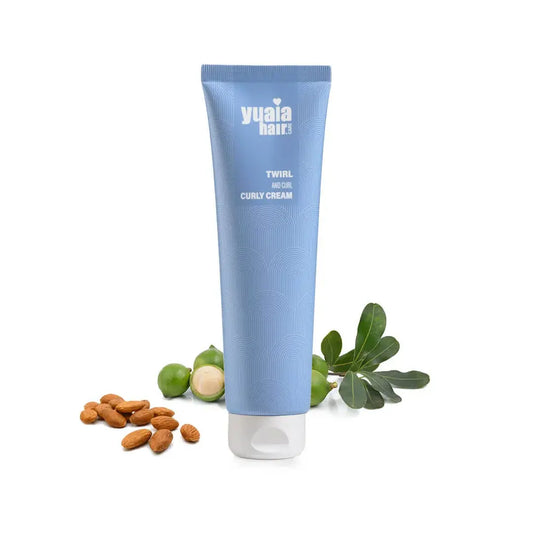
The key to preventing an itchy scalp is to find a washing frequency that suits your hair type. For those with oily hair, washing every other day might be optimal, while individuals with dry or curly hair may find that washing once or twice a week is sufficient. If you have curly hair, consider using our Twirl and Curl curly cream to enhance your curls and maintain moisture between washes.
Remedies for an itchy scalp
Addressing an itchy scalp often involves making a few changes to your hair care routine. Here are some effective remedies:
Switching to sulfate-free products
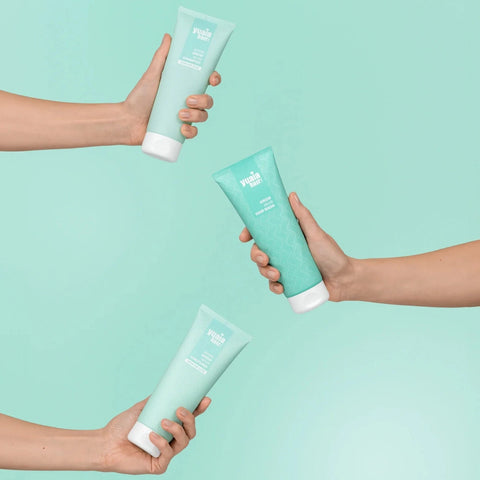
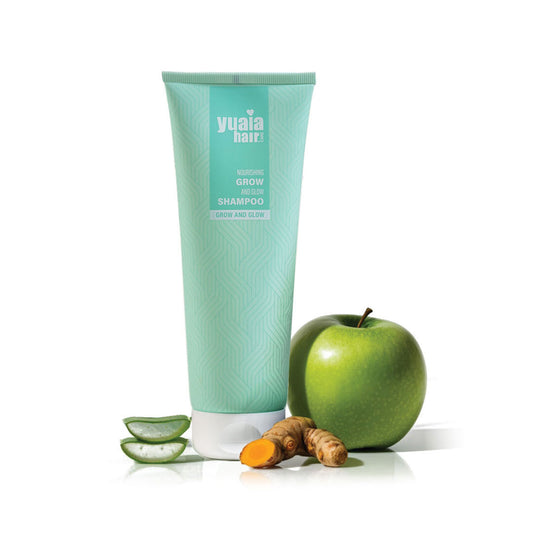
One of the simplest ways to alleviate scalp itchiness is by switching to sulfate-free shampoos and conditioners. Sulfates can strip your scalp of natural oils, leading to dryness and irritation. Our Grow and Glow shampoo is sulfate-free and designed to gently cleanse without disrupting your scalp's natural balance.
Natural remedies
Incorporating natural remedies into your routine can also help soothe an itchy scalp. Apple cider vinegar rinses are known for their ability to balance the scalp's pH and reduce irritation. Coconut oil treatments can provide deep moisture, helping to alleviate dryness and itchiness.
Rinsing techniques
Proper rinsing techniques are crucial to prevent residue buildup that can cause itchiness. Ensure that you rinse your hair thoroughly with lukewarm water to remove all shampoo and conditioner residues. Avoid using hot water, as it can strip away natural oils and exacerbate dryness.
Additional factors contributing to scalp itchiness
While product ingredients and scalp conditions are primary causes of post-wash itchiness, several other factors can contribute to this discomfort. Understanding these additional elements can help you further tailor your hair care routine to prevent itchiness.
Water quality and its impact
Water quality plays a significant role in scalp health. Hard water, which is rich in minerals such as calcium and magnesium, can leave deposits on the scalp and hair. These mineral deposits can cause dryness and irritation, leading to an itchy sensation after washing. If you suspect that hard water is affecting your scalp, consider installing a water softener or using a chelating shampoo occasionally to remove mineral buildup.
The role of hair styling tools
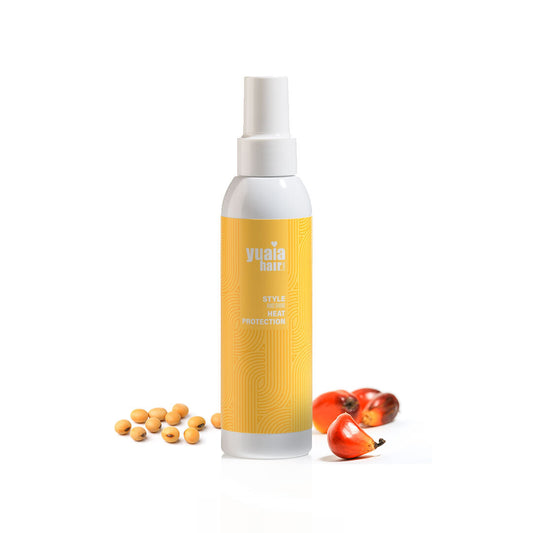
Frequent use of heat styling tools can exacerbate scalp itchiness. High temperatures can strip the scalp of its natural oils, leading to dryness and irritation. To protect your scalp and hair, always use a heat protectant before styling and limit the use of heat tools where possible.
Choosing the right hairbrush
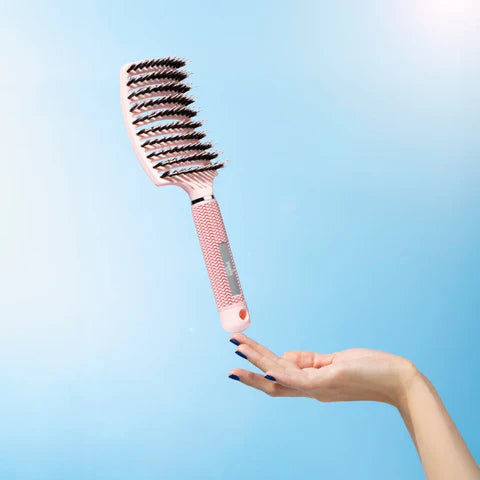
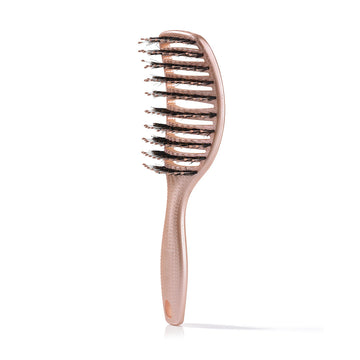
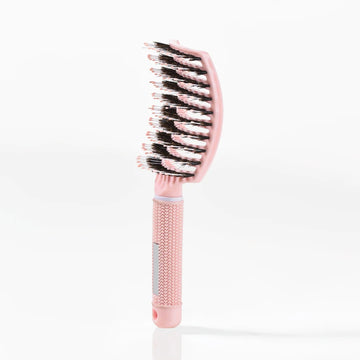
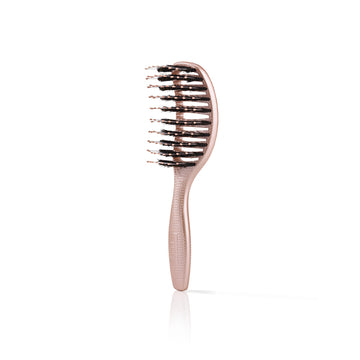
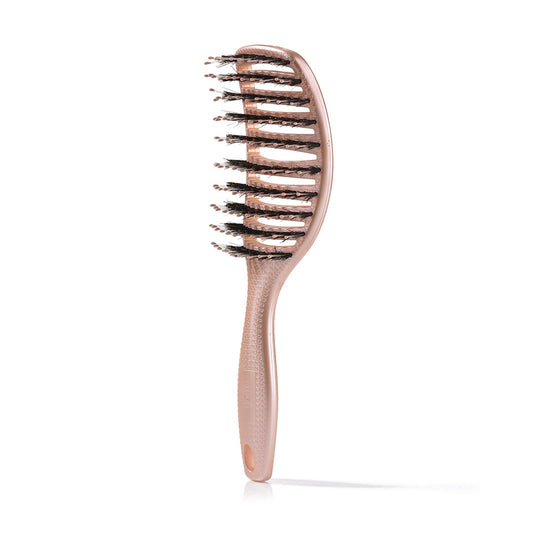
The type of hairbrush you use can also affect your scalp's condition. Opting for a boar bristle brush, like our curvy brush, can help distribute natural oils evenly across your scalp, reducing dryness and itchiness. This gentle distribution of oils helps maintain scalp health and prevent irritation.
Frequently asked questions
Is my shampoo causing the itchiness?
Yes, certain shampoos containing harsh ingredients like sulfates can cause scalp irritation. Switching to a gentler, sulfate-free formula can help reduce itchiness.
Could hard water be the culprit?
Hard water can contribute to scalp itchiness due to mineral deposits that remain on the scalp. Using a water softener or a chelating shampoo can help mitigate this issue.
How can I tell if it's a medical condition?
If you experience persistent itchiness, flaking, or redness, it may be a sign of a medical condition like dandruff or psoriasis. In such cases, it's best to consult with a healthcare professional for an accurate diagnosis and appropriate treatment.