 2-5 day delivery
 100.000+ satisfied customers
 Satisfaction Guarantee










Does conditioner make your hair greasy? Find out why and how to avoid it

by Nanna Bundgaard | 09. December 2025 | Reading time: 6 minutes
Read more about the authorImagine this: You've just washed your hair, expecting it to be fresh and bouncy, but instead, it feels greasy and heavy. This scenario is all too familiar for many, leading to frustration and confusion about what went wrong. Does conditioner make your hair greasy? Many people assume it's to blame, but that isn't always the case. However, understanding the real reasons behind greasy hair can help you enjoy the benefits of conditioner without the unwanted oiliness.
What causes greasy hair?
Greasy hair is often the result of excess sebum, a natural oil produced by the scalp to keep hair healthy and moisturized. While sebum is essential, too much can lead to a greasy appearance. Various factors like stress, hormonal changes, and even the wrong hair care products can trigger excessive oil production. It's important to distinguish between natural oiliness and product-induced greasiness to manage your hair care routine effectively.
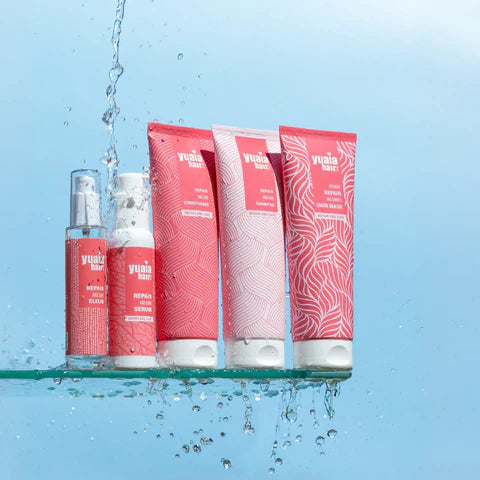
Browse our hair care for greasy hair and read each product’s directions for use on the scalp and lengths.
Can conditioner make hair look greasy?
Conditioner itself is not the enemy, but its misuse can contribute to greasy hair. Applying conditioner directly to the roots or using too much can weigh down your hair, giving it an oily look. It's essential to rinse thoroughly to avoid residue buildup, which can make hair appear greasy. Additionally, using a conditioner that is too rich or heavy for your hair type can exacerbate the problem. Ingredients like silicones, while providing a sleek finish, can also create a greasy film if not used properly.
Choosing the right conditioner
To avoid greasy hair, selecting a conditioner that suits your hair type is key. For those with fine or oily hair, lightweight, silicone-free conditioners are ideal. They provide necessary moisture without adding extra weight. Pairing your conditioner with a sulfate-free shampoo can also help balance oil production, keeping your hair fresh and clean. Remember, the goal is to nourish your hair without overwhelming it with excess product.

How conditioner can make hair look greasy
Conditioner is essential for maintaining hair health, but misuse can lead to an unwanted greasy appearance. One common mistake is applying conditioner directly to the roots, which are already naturally oily due to sebum production. This can weigh down your hair and make it look greasy. Instead, focus on the mid-lengths and ends, where moisture is most needed.
Another factor is using too much conditioner. A small amount is often sufficient, especially for fine hair. Over-application can saturate your hair, making it limp and oily-looking. Thorough rinsing is crucial to remove any residue that might contribute to a greasy feel. If not rinsed properly, even the best conditioner can leave your hair looking less than fresh.
Product mismatch: A hidden culprit
Choosing the wrong conditioner for your hair type can also lead to a greasy appearance. For instance, using a conditioner that is too rich or heavy for fine or oily hair can overwhelm the hair, leading to excess greasiness. It's important to select products that match your hair's specific needs.
Silicones in conditioners can create a sleek finish but may also lead to buildup over time, contributing to a greasy look. Opting for silicone-free options can help mitigate this issue, allowing your hair to maintain its natural bounce and shine without the added weight.

Proper application techniques
To avoid greasiness, consider a few simple application techniques. Always start by applying conditioner to the mid-lengths and ends, steering clear of the scalp. For fine hair, a pea-sized amount is often enough. Adjust the quantity based on your hair's thickness and length. Properly distributing the product ensures that your hair receives the moisture it needs without becoming greasy.
Additionally, using a wide-toothed comb in the shower can help evenly distribute the conditioner through your hair, reducing the risk of over-applying in certain areas. This method also aids in detangling, making it easier to rinse out all the product thoroughly.

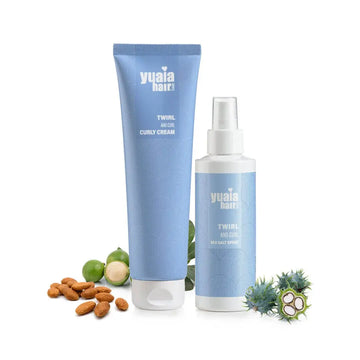
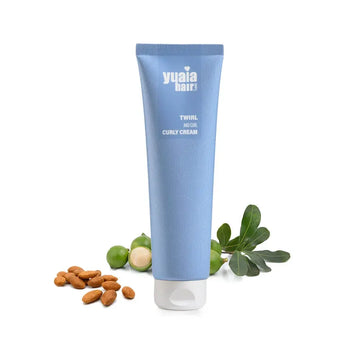
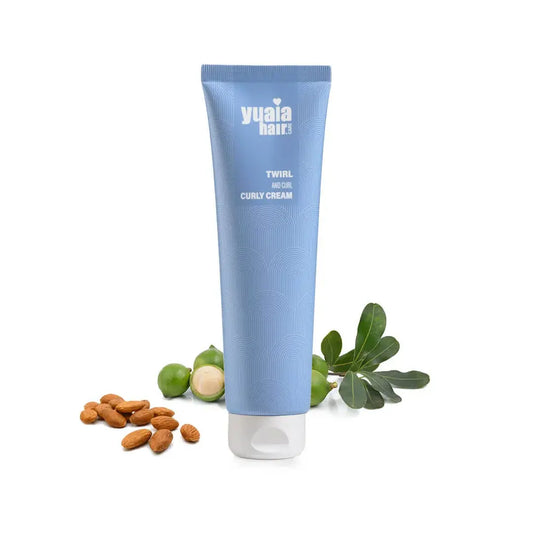
For those with curly hair, using a product like our Twirl and Curl curly cream can enhance curl definition without adding excess weight, ensuring your curls stay bouncy and well-defined.
Get a 10% discount code sent to you
Receive the best tips and tricks for your hair from Lotte and Nanna 🥰
Common scenarios and solutions
Dealing with greasy hair can be frustrating, especially when it seems to persist despite your best efforts. Here are some common scenarios that many encounter and practical solutions to tackle them:
Greasy hair the day after washing
If your hair appears greasy the day after washing, consider using less conditioner. Reducing the amount of conditioner and focusing application on the mid-lengths and ends can prevent unnecessary oiliness. Additionally, adjusting how often you condition your hair might help manage oil production better.
Flat hair with no volume
Flat, lifeless hair often results from applying conditioner too close to the scalp. To maintain volume, avoid applying conditioner near the roots. Instead, focus on products that offer volume, such as lightweight conditioners that won't weigh your hair down.
Hair that feels waxy or coated
A waxy or coated feeling can be a sign of product buildup, often due to silicones in conditioners. Cutting back on products containing silicones and incorporating a gentle detox routine can help restore your hair's natural texture and shine. Opt for silicone-free alternatives to keep your hair feeling fresh and light.
Frequently asked questions
Can I use conditioner every day if I have oily hair?
For those with oily hair, using conditioner every day might not be necessary. It's important to limit the frequency of conditioning to prevent greasiness. Consider conditioning every other day or even less frequently, depending on your hair's needs.
Should I put conditioner on my scalp if my hair is greasy?
Avoid applying conditioner directly to the scalp if your hair tends to be greasy. The scalp produces natural oils, and adding conditioner can exacerbate oiliness. Focus on conditioning the mid-lengths and ends where moisture is most needed.
Does silicone in conditioner make hair look oily?
Silicones in conditioners can lead to buildup over time, which may contribute to a greasy appearance. They create a barrier that can trap oils and other residues, making hair look limp and oily. Opting for silicone-free conditioners can help prevent this issue.
Is leave-in conditioner bad for greasy hair?
Leave-in conditioners can be used on greasy hair, but it's important to choose the right formulation and use them sparingly. Look for lightweight leave-in products that won't weigh your hair down and apply them only to the lengths and ends.

Get a 10% discount code sent to you
Receive the best tips and tricks for your hair from Lotte and Nanna 🥰


