 2-5 day delivery
 100.000+ satisfied customers
 Free shipping over €99















Signs it may be time for a trim
Look for visibly split or frayed ends, a style that has lost its shape, or ends that keep tangling despite gentle detangling. Dryness or frizz alone does not necessarily mean several centimetres must be removed. Have the ends assessed and distinguish a need for conditioning from hair that needs cutting.

When you want to grow your hair longer
Cutting does not make hair grow faster from the scalp. Length retention is about how much of the length you gain through growth you keep despite wear and breakage. Removing damaged ends can be part of that plan, but frequent substantial cuts also remove the length you are trying to gain. Agree on the amount before the scissors are used.
Curls and waves can change how length and shape look as the hair dries. Fine, coarse or coloured hair does not, by itself, determine a fixed number of weeks. End condition, cut shape and everyday handling matter too.
Care between haircuts
Repair and Care Conditioner can be part of a wash routine for more manageable lengths. Follow its directions and adjust the amount. Conditioning may improve the appearance and feel of the ends, but does not replace trimming split ends.
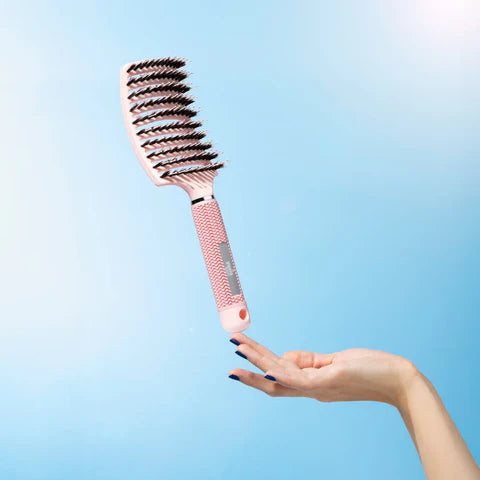
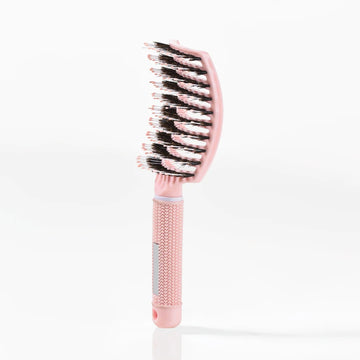
Detangle gently from the ends and work upwards. A Detangle Brush can be a tool for careful detangling when used without pulling through knots. Adapt the method to your hair type and stop if you feel resistance.


Reduce repeated styling wear
Use heat styling thoughtfully at an appropriate, moderate setting. Follow the directions for both the tool and heat protection. Style and Shine Heat Protection is an option for the routine. Heat protection does not make hair resistant to unlimited heat or repair already split ends.


Make a haircut plan with your stylist
Explain whether you want to keep the shape or grow your hair longer. Ask for an assessment of the ends and agree how much may be removed. Afterwards, note when the shape changes and the ends become harder to manage. Adjust the next appointment accordingly.
- Describe the goal: keep the cut or gain length.
- Agree how much may be cut and which areas need attention.
- Monitor shape, ends and detangling between appointments.
- Adapt the next haircut to what you observe.
Frequently asked questions about haircut frequency
Does everyone need a haircut every six weeks?
No. The interval depends on the cut, your goal and end condition. A sharp short style and long hair being grown out have different needs.
How many centimetres should be removed?
There is no single number. Agree with your stylist on how much to remove, based on the extent of the damage and the length you want to retain.
Do frequent trims make hair grow faster?
No. Trimming can remove worn ends but does not change the growth rate from the scalp.
More about trims and hair wear
Have curls? Read about how often to trim curly hair.
Explore hair breakage and gentle care if your lengths break between haircuts.


