 2-5 day delivery
 25.000+ satisfied customers
 Satisfaction Guarantee












The washing process: Step-by-step guide
Mastering the art of washing your hair with shampoo involves more than just applying the product and rinsing it out. It's about understanding the nuances that contribute to cleaner, healthier hair. Here's a detailed guide to ensure you're getting the most out of your wash routine.
Applying shampoo correctly
Start by applying a quarter-sized amount of shampoo to your palms. Rub your hands together to create a lather before applying it to your scalp. Focus on the roots, where oil and dirt tend to accumulate, and use your fingertips to massage in gentle, circular motions. This not only cleanses the scalp but also promotes circulation, which is beneficial for hair health.
Double shampooing for a deeper cleanse
For those with oily hair or significant product buildup, double shampooing can be particularly effective. The first application removes surface grime and excess oil, while the second offers a deeper cleanse. This method ensures that your scalp and hair are thoroughly cleaned without stripping away essential natural oils.
Rinsing techniques
Proper rinsing is as important as the washing itself. Use lukewarm water to rinse out the shampoo, ensuring all suds are removed from scalp to ends. Follow with a cool rinse to help seal the hair cuticles, which adds shine and smoothness. This step is crucial for maintaining the integrity of your hair's surface.
Post-wash care: Ensuring long-lasting hair health
Once you've completed the washing process, it's time to focus on post-wash care to keep your hair healthy and vibrant.
Conditioning tips
Apply conditioner starting from the mid-lengths to the ends of your hair, avoiding the scalp to prevent greasiness. Let the conditioner sit for at least three minutes to allow it to penetrate the hair and provide moisture. Rinse thoroughly with cool water to lock in moisture and enhance shine.
Drying and styling considerations
After rinsing, gently press out excess water using a microfiber towel. This helps to minimize frizz and breakage. Avoid vigorous rubbing, which can damage the hair. If you plan to use heat styling tools, be sure to apply a heat protectant spray to safeguard your hair from thermal damage.

Additional tips for curly hair
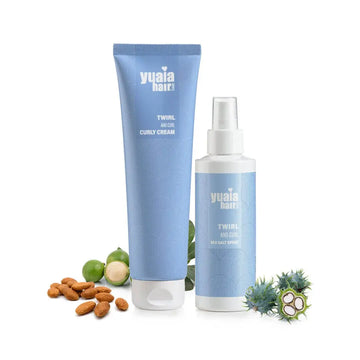
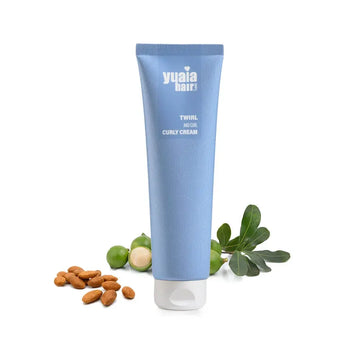
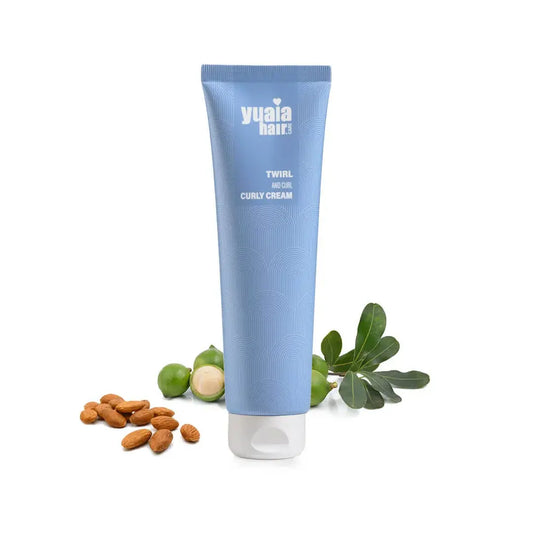
For those with curly hair, consider using our Twirl and Curl curly cream. This product is designed to define and enhance curls while providing essential moisture, ensuring your curls remain bouncy and well-formed.
Enhancing the washing routine with tools
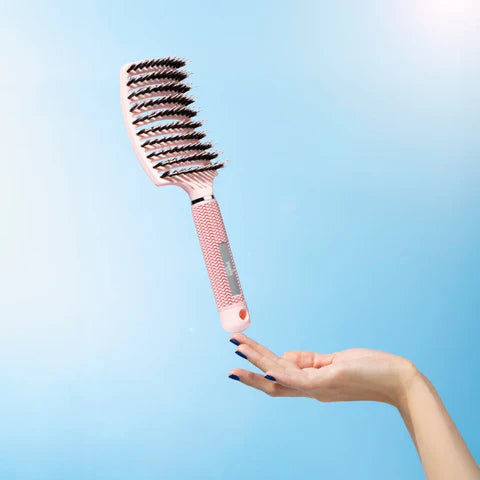
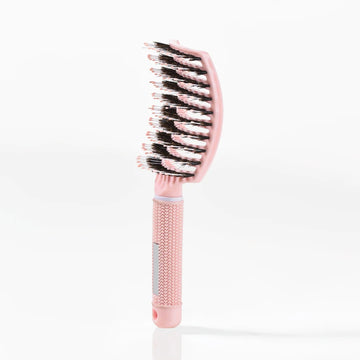
When it comes to washing your hair properly with shampoo, the right tools can make a significant difference. One such tool is a boar bristle brush. Using a brush like our Curvy Brush before washing can help detangle your hair and distribute natural oils from your scalp to the ends. This not only prepares your hair for a more effective wash but also helps maintain its natural shine and health.

Mini Curvy Brush
Travel-friendly mini version of the award-winning hairbrush with boar bristles130,00 kr
Exploring alternative hair cleansing methods
In addition to traditional shampooing, there are alternative cleansing methods that may suit different hair types and preferences. Co-washing, for instance, involves using conditioner only, which can be beneficial for those with dry or curly hair. This method helps maintain moisture while gently cleansing the scalp. Another technique is reverse washing, where you apply conditioner before shampooing. This can be particularly useful for those with fine hair, as it prevents the conditioner from weighing down the hair.
Frequently asked questions
What water temperature is best for washing hair?
Lukewarm water is ideal for washing hair as it helps open the pores and allows for effective cleansing. A final rinse with cool water is recommended to seal the cuticles and add shine.
How often should I wash my hair?
The frequency of washing depends on your hair type and lifestyle. Oily hair may require more frequent washing, while dry or curly hair might benefit from less frequent cleansing to maintain moisture.
Can I use the same shampoo for all hair types?
It's important to choose shampoos that cater to your specific hair needs. For instance, sulfate-free options are recommended for sensitive scalps, while other formulas may target specific concerns like dryness or oiliness.


