 2-5 day delivery
 100.000+ satisfied customers
 Satisfaction Guarantee











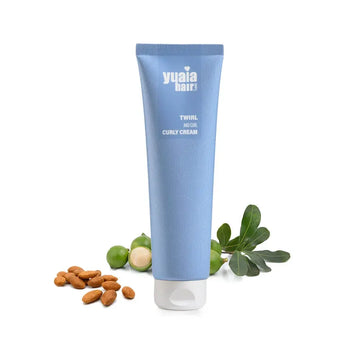


Causes of over moisturized hair
There are several common causes of moisture overload:
1. Too many moisturizing products
Using heavy conditioners, leave-ins and hair masks too frequently can overwhelm the hair, leading to buildup that weighs the hair down and disrupts the natural moisture-protein balance. Over time, this can make the hair feel limp, coated and harder to style.
2. Over-conditioning
Deep conditioning too often can disrupt the hair’s natural balance, especially when it is done multiple times per week or combined with other heavy moisturizing products. This can leave the hair overly soft, weakened and lacking structure over time.
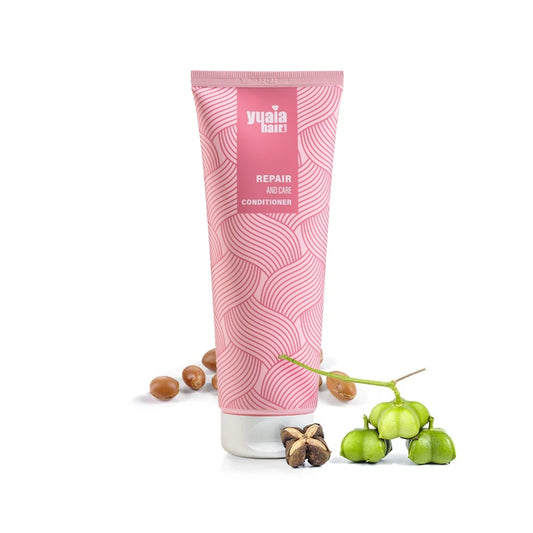
3. Product buildup
Silicones and heavy ingredients can build up on the hair and coat the cuticle, blocking moisture and protein absorption. This leaves hair dull, heavy and less responsive. Regular clarifying restores balance by removing residue.

4. Incorrect routine for your hair type
Fine hair is especially vulnerable to too much moisture, while curly hair may require a different balance based on porosity and density. Hair needs also shift depending on climate, seasonal changes, and whether the hair is chemically treated or heat damaged. Using the same products and routine for all hair types often leads to imbalance, buildup, and inconsistent results over time. Over time, this mismatch can make it harder to identify what your hair actually needs, resulting in cycles of over-moisturizing or dryness.
Over moisturized hair vs protein overload
It is important to distinguish between two common imbalances because they can look similar at first glance, but they require completely opposite solutions to restore healthy hair balance. They are often confused since both can affect texture, styling ability, and overall hair health.
Over moisturized hair
Too much moisture
Soft, weak hair
Lack of structure
Hair may feel overly elastic or “stretched out” when wet
Protein overload
Too much protein
Stiff, dry, and brittle hair
Hair feels hard and “crispy”
Can lead to breakage or snapping when brushing or styling
How to quickly tell the difference
If your hair feels too soft and limp and won’t hold its shape → likely moisture overload
If your hair feels rough and stiff and breaks easily → likely protein overload
Both conditions are about imbalance — not simply “damaged hair.”
How to fix over moisturized hair
Fortunately, moisture overload can often be corrected relatively quickly with the right approach.
Step 1: Use a clarifying shampoo
Start by removing product buildup and excess moisture. This helps reset the hair and remove any heavy residue from conditioners, oils and styling products. Use a gentle but effective formula, and avoid immediately following up with heavy moisturizing products.
Step 2: Reduce moisturizing products
Avoid heavy conditioners, masks and leave-ins for a period. Use lightweight products and let your hair reset to regain moisture-protein balance. Less is more and helps avoid buildup or overload.
Step 3: Introduce protein
Use a light protein treatment to rebuild the hair’s structure.

Step 4: Rebuild your routine
Find a balance between moisture and protein in your products by gradually reintroducing both types of care and adjusting your routine based on how your hair responds over time.
How to prevent the problem
Once your hair is back in balance, maintenance is key:
- Alternate between moisture and protein treatments to maintain long-term balance and avoid an excess of either
- Avoid overusing hair masks, especially deep conditioning treatments, unless your hair truly needs extra hydration
- Use lightweight products if you have fine hair to prevent unnecessary weight and buildup
- Regularly clarify to remove buildup and keep the hair responsive to treatments
- Learn your hair type and its needs so you can adjust your routine based on porosity, texture and condition
- Minimize heat styling, as excessive heat can weaken the hair structure and worsen imbalances
- Pay attention to how your hair reacts after each wash, so you can quickly correct early signs of imbalance
Frequently asked questions
Can over moisturized hair be fixed?
Yes, in most cases it can be fixed quickly by using a clarifying shampoo and restoring the balance between moisture and protein.
How long does it take to fix?
Typically from a few washes to a couple of weeks, depending on product buildup.
Is it the same as damaged hair?
No, it is a temporary imbalance - not necessarily permanent damage.
Can all hair types become too moisturized?
Yes, but fine hair is most prone to it.


