 2-5 day delivery
 100.000+ satisfied customers
 Satisfaction Guarantee















Tactile and sensory signs of thinning hair
While visual indicators provide clear signs of thinning hair, tactile and sensory experiences often reveal changes that are equally important. Noticing these signs early can help in addressing hair thinning effectively.
Excessive shedding
Shedding more than the typical 50 to 100 hairs a day can be a clear indicator of thinning hair. If you find clumps of hair on your pillow, in the shower, or when brushing, it may suggest an underlying issue. This type of shedding can be more noticeable during specific times of stress or hormonal changes.
Receding hairline
Though less common in women, a receding hairline can occur, especially in older women experiencing frontal fibrosing alopecia. This condition results in the hairline gradually moving back, leading to a more pronounced forehead. Monitoring changes in your hairline can help in seeking timely advice from a healthcare provider.
Scalp symptoms
Itching, redness, or irritation on the scalp can sometimes accompany thinning hair. These symptoms might indicate an underlying scalp condition, such as a dermatological issue or an allergic reaction to hair products. Addressing these symptoms with appropriate care can prevent further hair damage.
When to seek professional help
Understanding when to consult a professional is essential in managing hair thinning. Recognizing abnormal patterns, such as persistent hair loss or unusual shedding, is key. If you notice these signs, it might be time to seek advice from a dermatologist.
Potential triggers for hair thinning include stress, hormonal imbalances, and nutritional deficiencies. Identifying these triggers can guide you in taking the necessary steps to address the issue. It’s important to consult a dermatologist if signs persist or worsen, as they can provide tailored advice and potential treatment options.
For those experiencing excessive shedding, incorporating a rosemary hair oil into your routine can help support normal hair health. This oil is applied to the scalp and left on for a while before being washed out, promoting a healthy scalp environment.

Regularly checking your hair for these signs and maintaining a healthy hair care routine can help manage thinning hair effectively. A healthy diet supports hair health, and using gentle hair care products can further aid in maintaining hair density.
Preventive care and maintenance
Maintaining the health of your hair is important in preventing further thinning. One effective approach is using a sulfate-free shampoo, which can be gentler on the hair and scalp. At Yuaia Haircare, we offer the Grow and Glow shampoo, made to support hair health without the use of harsh chemicals. This shampoo can help maintain the natural oils in your hair, keeping it nourished and less prone to breakage.
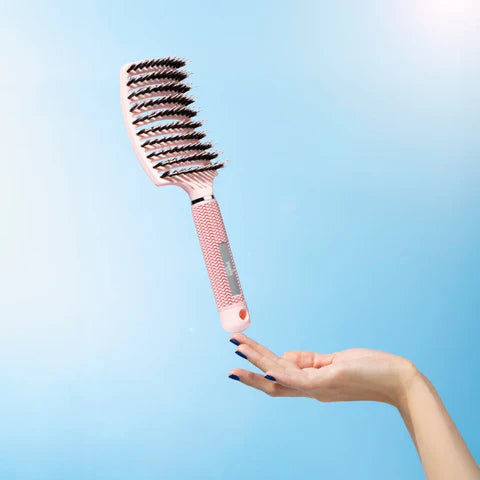
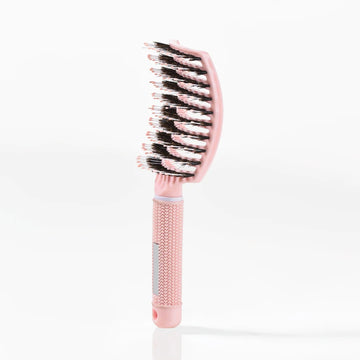
Another vital aspect of hair care is proper brushing techniques. Using a brush with boar bristles, like our Curvy Brush, can help distribute natural oils from the scalp throughout the hair. This not only enhances shine but also strengthens the hair shaft, reducing the likelihood of thinning.

€24,99
Additional supportive tips
Checking your hair regularly can help you spot early signs of thinning. By routinely examining your hair for changes in volume or texture, you can address issues promptly. Moreover, adopting holistic hair care approaches, such as stress-reducing practices, can contribute positively to your overall hair health.
Frequently asked questions
What are the early signs of thinning hair in women?
Early signs of thinning hair in women often include a widening part, a thinner ponytail, and gradual thinning on the top or crown of the head. These signs can be subtle at first but become more noticeable over time.
How can I differentiate between normal shedding and hair thinning?
Normal shedding typically involves losing 50 to 100 hairs per day. However, if you notice clumps of hair falling out or a significant reduction in hair volume, it may indicate thinning. Monitoring the consistency and amount of hair shed can help differentiate between the two.
Are there lifestyle changes that can help prevent thinning?
While specific lifestyle changes cannot completely prevent hair thinning, managing stress and following a consistent hair care routine can support overall hair health. Using gentle hair products and maintaining a balanced lifestyle can contribute to healthier hair.


