 2-5 day delivery
 100.000+ satisfied customers
 Satisfaction Guarantee











Hair condition and susceptibility
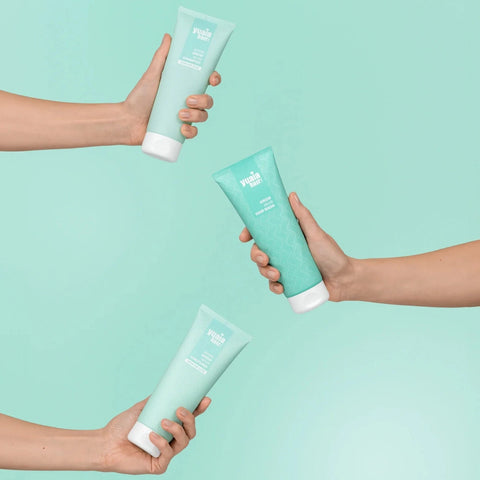
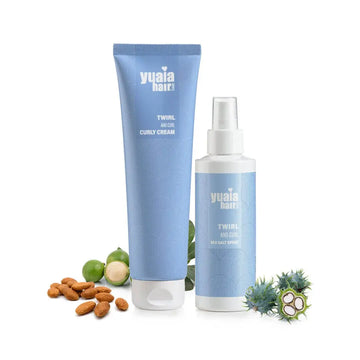
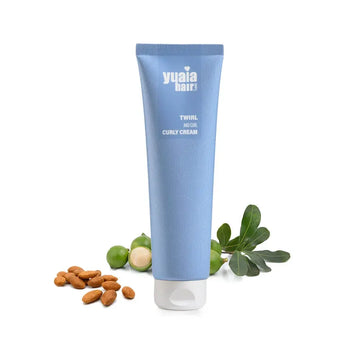
Hair type plays a significant role in how prone it is to static. Fine, damaged, or dry hair is particularly susceptible due to a lack of natural oils that help repel electrical charges. The absence of these oils means that hair is more likely to become staticky, especially in dry conditions. This is why maintaining hair health through proper care is crucial. Hair products that contain harsh sulfates and silicones can strip hair of its natural moisture, further increasing static issues. Opting for gentle, sulfate-free shampoos and conditioners can help preserve moisture and reduce static. For instance, using our Twirl and Curl curly cream can enhance curls while maintaining moisture, reducing the likelihood of static.
Static vs. frizz: Understanding the difference
While static and frizz might seem similar, they stem from different causes and require distinct approaches for management. Static is the result of low moisture and an imbalance of electrical charges, causing hair to repel each other. In contrast, frizz occurs due to excess humidity and moisture absorption, leading to a halo of unruly hair. Recognizing these differences is essential for choosing the right products and techniques to address each issue. Static often appears as individual hairs standing on end, while frizz presents as an overall puffiness or a halo effect.
Practical solutions for reducing static hair
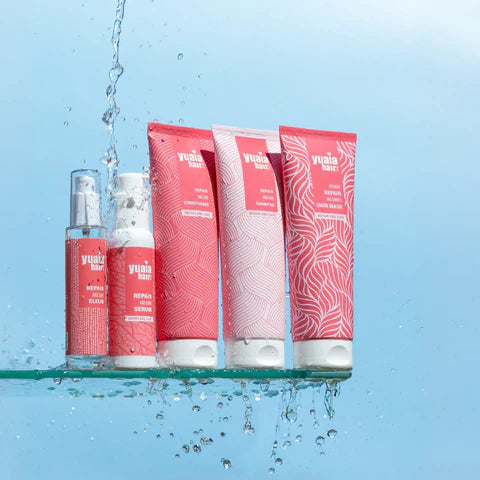
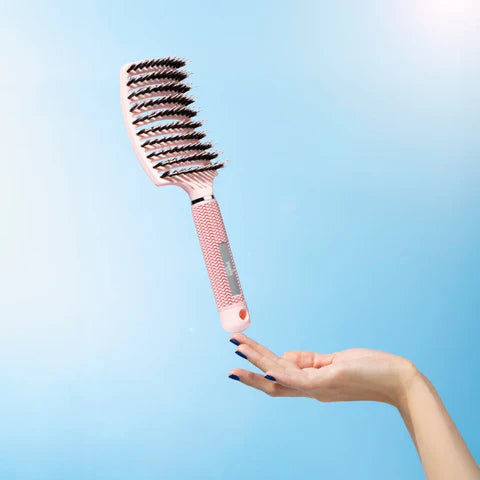
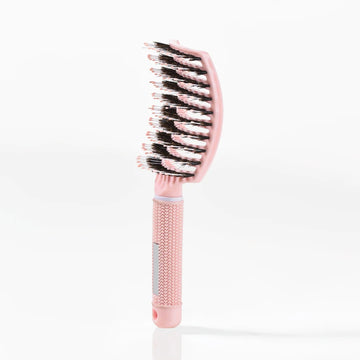
To combat static hair, consider integrating moisture-rich products into your routine. Using sulfate-free and silicone-free shampoos and conditioners helps maintain hair's natural moisture levels, reducing static. Additionally, the way you brush your hair can impact static. Opt for a boar bristle brush, like our Curvy Brush, which minimizes friction and helps distribute natural oils evenly throughout the hair.

€24,99
Environmental adjustments can also make a difference. Using a humidifier in your home adds moisture to the air, reducing the likelihood of static. Additionally, choosing natural materials for hats and clothing can help minimize friction and static buildup.
Seasonal hair care tips
As the seasons change, so should your hair care routine. During the winter months, when static is more prevalent, it's important to focus on maintaining moisture in your hair to combat the dry air and low humidity. Opting for hydrating hair masks and avoiding overwashing can help preserve your hair's natural oils, which are essential for reducing static. Additionally, using a microfiber towel to dry your hair can minimize friction and static buildup.

Throughout the year, establishing a consistent hair care routine that prioritizes moisture retention can prevent static buildup. This includes using gentle, sulfate-free shampoos and conditioners, as well as incorporating nourishing oils like our Rosemary oil to keep hair hydrated and healthy.

Frequently asked questions
Why is static more common in winter?
Static is more common in winter due to the low humidity levels that are typical during this season. The dry air prevents the dissipation of electrical charges, making hair more susceptible to static buildup.
Can heat styling tools contribute to static?
Yes, heat styling tools can contribute to static by stripping moisture from the hair. This loss of moisture makes hair more prone to static electricity. To prevent this, it's advisable to use a heat protectant before styling.
What are quick fixes for static hair?
For immediate relief from static hair, try lightly dampening your hair with water or using a dryer sheet to smooth down flyaways. These quick fixes can help neutralize static charges temporarily.


