 2-5 day delivery
 100.000+ satisfied customers
 Satisfaction Guarantee










Identifying and differentiating symptoms
Experiencing a warm scalp can be perplexing, especially when it occurs alongside other symptoms. Recognizing these accompanying signs is essential for determining the underlying cause and seeking appropriate solutions. Here are some common symptoms that often accompany a warm scalp:
- Itching: Persistent itchiness can indicate irritation or inflammation, often linked to skin conditions like dandruff or eczema.
- Flaking: Noticeable flakes on the scalp or hair may suggest dandruff or psoriasis, which can cause warmth due to irritation.
- Pain or tenderness: A tender or painful scalp might signify conditions like folliculitis or trichodynia, which can cause warmth through inflammation.
Understanding these symptoms can help determine whether the warmth is due to temporary irritation or a more persistent condition. If you experience severe or persistent symptoms, it may be time to consult a healthcare professional. Persistent warmth accompanied by swelling or severe pain could indicate an infection or other serious condition requiring medical attention.
Soothing solutions and preventative measures
Addressing a warm scalp involves both soothing immediate discomfort and implementing preventative strategies to avoid future occurrences. Here are some effective approaches:
Hydration and moisture
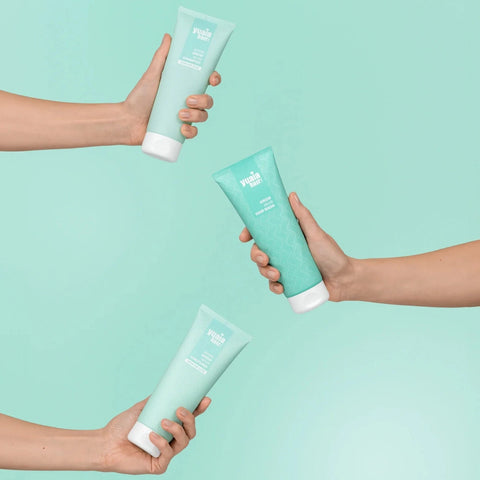
Maintaining scalp hydration is crucial for preventing dryness and irritation. Using gentle, sulfate-free shampoos can help keep the scalp moisturized without stripping away natural oils. Our Grow and Glow Shampoo is an excellent choice, offering a sulfate-free formula that gently cleanses while maintaining the scalp's natural moisture balance.

Gentle hair care practices
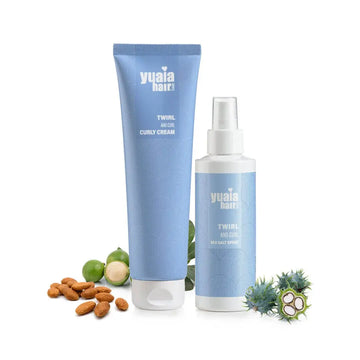
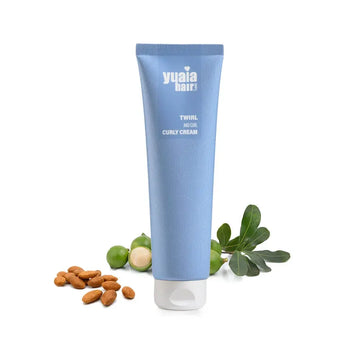
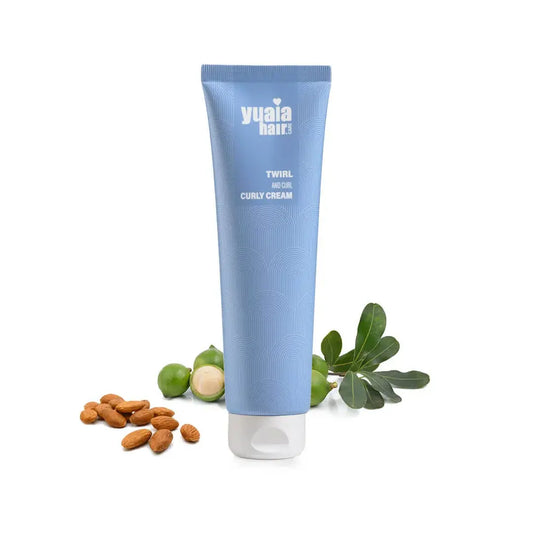
Avoiding tight hairstyles and harsh hair products is important to prevent exacerbating scalp warmth. Opt for loose styles that minimize tension on the scalp. For those with curly hair, using a product like our Twirl and Curl curly cream can help define curls without causing additional irritation, keeping the scalp comfortable and hair looking vibrant.
Additionally, consider the benefits of incorporating a wide-toothed comb into your routine. This type of comb is ideal for detangling without causing excessive pulling on the scalp, reducing the risk of irritation and warmth. You can explore our selection of hair accessories here.

By understanding the symptoms and implementing these soothing solutions, you can effectively manage a warm scalp and maintain overall hair health.
Additional considerations for a warm scalp
Beyond the common causes and solutions, there are additional considerations to keep in mind when dealing with a warm scalp. These factors can help you better understand and manage the condition, ensuring a more comprehensive approach to scalp health.
Understanding seasonal impacts
Seasonal changes can significantly affect scalp conditions. For example, during winter, the combination of cold outdoor air and indoor heating can lead to a drier scalp, exacerbating warmth and irritation. In contrast, summer heat and sun exposure can increase the risk of sunburn, leading to a warm scalp. Adapting your hair care routine to these changes can help mitigate these effects. Consider using a microfiber towel to gently dry your hair, reducing friction and potential irritation.

Impact of hair accessories
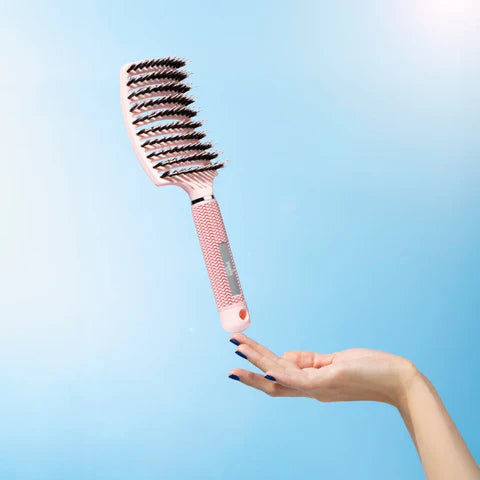
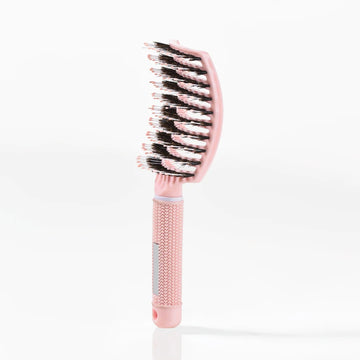
Hair accessories can also play a role in scalp warmth. Tight headbands or hats can trap heat and moisture, leading to discomfort. Opting for accessories made from breathable materials can help alleviate this issue. Additionally, using a Curvy Brush can aid in gentle detangling, minimizing scalp irritation.
Exploring natural remedies
Natural remedies can provide soothing relief for a warm scalp. Applying a few drops of our Rosemary oil can help soothe inflammation and promote a cooling sensation. Aloe vera is another natural remedy known for its calming properties and can be applied directly to the scalp for relief.
Frequently asked questions
Why does my scalp feel warm after washing my hair?
Washing your hair with hot water can elevate the temperature of your scalp, leading to a warm sensation. To avoid this, try using lukewarm water instead, which is gentler on both the scalp and hair.
Can stress really affect my scalp?
Yes, stress can significantly impact your scalp health. Conditions like trichodynia, which cause a burning or warm sensation, are often linked to stress and anxiety. Managing stress through relaxation techniques or mindful practices can help alleviate these symptoms.
Are there any natural remedies for a warm scalp?
Natural remedies such as rosemary oil or aloe vera can provide soothing relief for a warm scalp. They help reduce inflammation and offer a cooling effect, making them excellent options for managing scalp warmth naturally.


