 2-5 day delivery
 100.000+ satisfied customers
 Satisfaction Guarantee














The different B vitamins
Biotin – vitamin B7
Biotin is a water-soluble B vitamin and is a popular ingredient in hair supplements.
Its most important function in this context is:
Biotin helps to maintain normal hair.
Biotin also contributes to:
- normal energy metabolism
- normal macronutrient metabolism
- the normal functioning of the nervous system
- normal psychological function
- the maintenance of normal skin
Biotin occurs naturally in a variety of foods.
You can read more in our guide on biotin for hair.
Thiamine – vitamin B1
Thiamine contributes, amongst other things, to normal energy metabolism, the normal functioning of the nervous system and normal psychological function.
Sources of vitamin B1 include wholegrain products, pulses, nuts, seeds and various animal-based foods.
Riboflavin – vitamin B2
Riboflavin contributes, amongst other things, to normal energy metabolism, to maintaining normal skin and to protecting cells against oxidative stress.
Vitamin B2 is found in dairy products, eggs, meat and certain vegetables, among other foods.
Niacin – vitamin B3
Niacin contributes, amongst other things, to normal energy metabolism, the normal functioning of the nervous system and the maintenance of normal skin.
Niacin is found, amongst other things, in meat, fish, nuts and wholegrain products.
Pantothenic acid – vitamin B5
Pantothenic acid contributes to normal energy metabolism and normal mental performance.
Vitamin B5 is found naturally in a wide range of foods, including meat, eggs, dairy products, vegetables and wholegrain products.
Pyridoxine – vitamin B6
Vitamin B6 has a number of different functions in the body.
Among other things, vitamin B6 contributes to:
- normal energy metabolism
- normal protein and glycogen metabolism
- normal formation of red blood cells
- normal function of the immune system
- regulation of hormone activity
Vitamin B6 is found in, amongst other things, fish, meat, potatoes, pulses, nuts and bananas.
Folate – vitamin B9
Folate plays a role, amongst other things, in the process of cell division and contributes to normal blood formation.
Folate is found naturally in, amongst other things, green vegetables, pulses and various wholegrain products.
Vitamin B12
Vitamin B12 contributes, amongst other things, to normal energy metabolism, the normal functioning of the nervous system and the normal formation of red blood cells.
Vitamin B12 also plays a role in the cell division process.
The vitamin is found naturally, in particular, in animal-based foods such as meat, fish, eggs and dairy products. People who follow a vegan diet should therefore pay particular attention to their B12 intake and follow the official recommendations.
Which B vitamin contributes to normal hair?
When we look specifically at B vitamins and hair, the answer is biotin.
The authorised health claim is:
“Biotin contributes to the maintenance of normal hair.”
It is important to distinguish between maintaining normal hair and claims regarding, for example, faster hair growth, thicker hair or reduced hair loss.
Biotin should therefore not be described as an ingredient that makes hair grow faster or treats hair loss.
How can you get B vitamins from your diet?
B vitamins are found in many different foods, and a varied diet can provide a wide range of B vitamins.
Some good food sources include:
Eggs
Eggs contain several different nutrients and are, amongst other things, a source of biotin and pantothenic acid.
Fish
Various types of fish contain, amongst other things, vitamins B6, B12 and niacin.
Meat
Meat can provide, amongst other things, vitamins B12, B6 and niacin.
Dairy products
Milk, yoghurt and other dairy products contain various B vitamins, including riboflavin and vitamin B12.
Nuts and seeds
Nuts and seeds contain various vitamins and minerals and can provide, amongst other things, several B vitamins.
Pulses
Beans, lentils and other pulses contain, amongst other things, folate and various other B vitamins.
Green vegetables
Green vegetables such as spinach and broccoli can be sources of folate, amongst other things.
Wholemeal products
Wholemeal products can provide several different B vitamins, including thiamine and niacin.
B-vitamin supplements
B vitamins are found both naturally in foods and in various supplements.
A dietary supplement should always be taken in accordance with the recommended daily dose and should not replace a varied and balanced diet and a healthy lifestyle.
If you suspect a vitamin deficiency or are experiencing persistent symptoms, you should speak to your doctor or another healthcare professional rather than attempting to diagnose a deficiency yourself.
Yuaia Hair Vitamins
Our Hair Vitamins have been developed as a dietary supplement containing, amongst other things, biotin and zinc.
Biotin helps maintain normal hair.
Zinc helps maintain normal hair.
Hair Vitamins have been designed to be easily incorporated into your daily routine.
Always follow the recommended daily dose stated on the product.

Can a deficiency in B vitamins be seen in your hair?
It is not possible to determine whether you are deficient in a specific B vitamin based solely on the appearance of your hair.
Hair loss, changes in hair quality or other symptoms can have many different causes.
If you experience sudden, significant or persistent hair loss, you should therefore contact your doctor so that the cause can be assessed.
The same applies if you suspect a deficiency in B12, folate or other vitamins and minerals.
Other things you can do to look after your hair
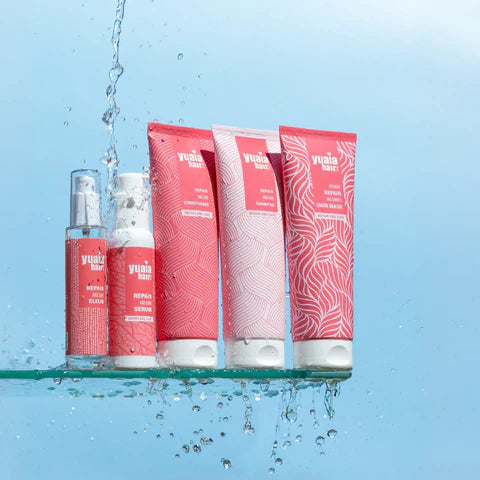
Vitamins are only one part of the bigger picture. Your daily hair care routine also affects how your hair feels and looks.
Gentle hair washing
Choose hair care products that suit your hair type and avoid unnecessarily rough handling of your hair whilst washing.
Hair is particularly vulnerable when wet, so it’s best to handle it gently.
Using conditioner and hair masks
Conditioner can help make your hair easier to comb and reduce friction between the strands.
A hair mask can be used as a supplement to your regular hair care routine if your hair needs extra care.
Limit unnecessary heat
Frequent use of very high temperatures from hairdryers, straighteners or curling tongs can put a strain on the hair strands.
If you use heat styling tools, it’s a good idea to use a heat-protective product.
Take care when styling
Very tight hairstyles and rough brushing can put a strain on your hair.
You should therefore opt for gentle hairstyles and take care when combing your hair.


B vitamins for hair – a brief summary
B vitamins are a group of vitamins with various functions in the body.
When it comes specifically to hair, biotin is particularly worth highlighting:
Biotin helps maintain normal hair.
Other B vitamins have different functions in the body and should therefore not automatically be linked to hair growth, hair loss or hair strength.
A varied and balanced diet is the foundation for obtaining the nutrients the body needs. Dietary supplements can be used to complement the diet, but should not replace a varied diet and a healthy lifestyle.
FAQs about B vitamins for hair
Which B vitamin is relevant for normal hair?
Biotin, also known as vitamin B7, helps maintain normal hair.
Do B vitamins make hair grow faster?
There is no approved health claim stating that B vitamins as a group make hair grow faster.
Biotin, however, has the approved function of helping to maintain normal hair.
Can B vitamins stop hair loss?
B vitamins should not be marketed as a treatment or prevention for hair loss.
Hair loss can have many different causes. If you experience persistent, sudden or excessive hair loss, you should speak to your doctor.
Can B vitamins prevent grey hair?
There is no approved health claim stating that B vitamins can prevent grey hair.
Grey hair is influenced by factors such as age and genetics.
Can both men and women take biotin?
Biotin is a nutrient found naturally in the diet and used in various dietary supplements.
The approved health claim that biotin contributes to the maintenance of normal hair is not restricted to a specific gender.
Can you have too many B vitamins?
Although B vitamins are water-soluble, this does not mean you can freely consume very large amounts.
An excessively high intake of individual B vitamins can cause side effects. You should therefore always follow the recommended daily dose on a dietary supplement.
Are B vitamins suitable for vegetarians and vegans?
It depends on the specific dietary supplement.
If you follow a vegetarian or vegan diet, you should check the product’s list of ingredients and labelling to ensure that the product is suitable for your diet.
Vitamin B12 requires particular attention on a vegan diet, as the vitamin is primarily found naturally in animal-based foods.
Can you take B vitamins during pregnancy?
The need for certain vitamins can change during pregnancy.
Pregnant women should follow the official recommendations for dietary supplements during pregnancy and contact their doctor or midwife if they have any doubts about a specific product.
How do I know if I’m deficient in B vitamins?
It is not possible to diagnose a vitamin deficiency with certainty based on individual symptoms alone.
If you suspect a deficiency in B12, folate or other B vitamins, you should speak to your doctor, who can assess whether further tests or blood tests are needed.
Is a B vitamin supplement necessary if I eat a varied diet?
The need for supplements depends, amongst other things, on your diet and individual circumstances.
Supplements should not be used as a substitute for a varied and balanced diet and a healthy lifestyle. If you have any questions about your individual needs, you can speak to a doctor or another relevant healthcare professional.


