 2-5 day delivery
 100.000+ satisfied customers
 Satisfaction Guarantee











Hair supplements: How they work

by Nanna Bundgaard | 07. March 2023 | Reading time: 12 minutes
Read more about the authorHair supplements are becoming increasingly popular as an important tool for maintaining healthy hair. With such a wide range of products available, it can be overwhelming to find the right supplement for your specific hair needs. From ingredients such as biotin and collagen to keratin and probiotics, there are plenty of options that can help you achieve your desired results for your hair. But how do hair supplements work? And what should you look for when choosing a hair supplement?
The key to achieving optimal results with any supplement is understanding how the ingredients work together in your body to support the maintenance of healthy hair. Different supplements contain different ingredients that work in different ways. Let us guide you through the key questions to ask when choosing hair supplements.
What are hair supplements?
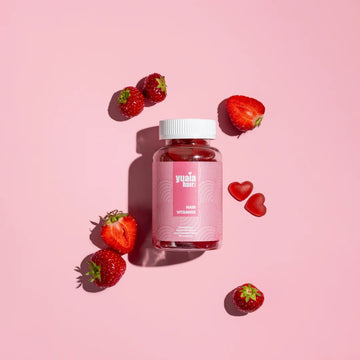
Hair supplements are specially formulated combinations of vitamins and minerals designed to support healthy hair. Hair supplements typically contain a combination of vitamins, minerals and other nutrients that perform a range of functions, helping to maintain normal hair, support metabolism or promote cell division, for example. Popular ingredients often found in hair supplements include biotin, vitamin C, zinc, iron, folic acid and silica.
Hair supplements are designed to be taken daily to achieve maximum effect.
Most hair supplements differ in their composition and can therefore be difficult to compare. Similarly, it can be hard to get a definitive answer regarding their effectiveness, as there are no fixed standards for the efficacy of the ingredients. There are also many different forms and flavours of hair supplements, ranging from strawberry-flavoured wine gums to the more traditional tablets.
Try our hair test
The hair test gives you precise answers about which products are best for your hair type. Try it now 👇🏼
Try it now!
Do I need hair supplements?
The best way to ensure you get the vitamins and minerals needed to maintain healthy hair is through a healthy and varied diet.
It’s actually quite simple. The body does not regard hair as an essential part of the body, so if you do not get the right amounts of vitamins and minerals, the body will direct these nutrients to more essential parts of the body. This means that the hair follicles do not receive the nourishment they need to maintain healthy hair.
In these situations, a hair supplement may be worth considering. Hair supplements, as described earlier, are specifically formulated to provide you with the vitamins and minerals that either maintain healthy hair or have supporting functions. This ensures your hair strands receive the necessary nutrients to produce healthy hair. However, as with any other dietary supplement, you should speak to your GP before you start taking it, as individual needs can vary greatly.
What are the symptoms of a vitamin deficiency?
The symptoms of a vitamin deficiency can vary depending on which vitamin is lacking. Generally, common symptoms include tiredness, a weakened immune system, skin problems such as dryness, rashes or acne, and hair loss. Vitamin deficiency can be caused by many factors; for example, it may be due to dieting, stress or generally poor nutrition. A vegetarian or vegan diet can also lead to vitamin deficiency. This means that the hair does not receive the vitamins and minerals necessary to maintain healthy hair.
If you are unsure whether you are deficient in any vitamins, it is always a good idea to consult your doctor, who can arrange for you to have a blood test.
Which vitamins and minerals play a role in bodily functions and hair health?
Vitamins and minerals have various functions in the body. When it comes specifically to the hair, it is important to distinguish between nutrients that have an approved health claim for the hair and nutrients that have other documented functions in the body.
Among the nutrients listed below, biotin and zinc have approved health claims regarding the maintenance of normal hair.
Vitamin A
Vitamin A has several functions in the body. Among other things, the vitamin contributes to the maintenance of normal skin and to the normal functioning of the immune system. Vitamin A also plays a role in the process of cell specialisation.
There is no authorised health claim linking vitamin A directly to the maintenance of normal hair.
Vitamin C
Vitamin C contributes, amongst other things, to the normal formation of collagen, which is important for the normal function of the skin, bones, cartilage and blood vessels. Vitamin C also helps to protect cells against oxidative stress.
There is no approved health claim linking vitamin C directly to normal hair.
Vitamin D
Vitamin D contributes, amongst other things, to the normal absorption and utilisation of calcium and phosphorus, to the maintenance of normal bones and to the normal function of the immune system. Vitamin D also plays a role in the process of cell specialisation.
There is no authorised health claim linking vitamin D directly to the maintenance of normal hair.
B vitamins
B vitamins are a group of vitamins with various functions in the body.
Vitamin B6, for example, contributes to the normal formation of red blood cells, normal energy metabolism and the normal function of the immune system.
The individual B vitamins have different authorised health claims, and it is therefore important to consider them separately.
Biotin
Biotin is a B vitamin and a popular ingredient in hair supplements.
Biotin contributes to the maintenance of normal hair.
Biotin also contributes to the normal metabolism of macronutrients, normal energy metabolism and the maintenance of normal skin.
Iron
Iron has a number of important functions in the body. Among other things, iron contributes to the normal formation of red blood cells and haemoglobin, as well as to the normal transport of oxygen in the body.
There is no authorised health claim linking iron directly to the maintenance of normal hair.
If you suspect you may have an iron deficiency, you should speak to your doctor rather than self-diagnosing or treating a possible deficiency with dietary supplements.
Zinc
Zinc has several approved functions in the body and is also one of the minerals with an approved health claim for hair.
Zinc contributes to the maintenance of normal hair.
Zinc also contributes to normal protein synthesis, normal cell division and to protecting cells from oxidative stress.
Silica
Silica is an ingredient used in various types of dietary supplements.
How long does it take before I can see a difference from taking hair supplements?
Although there is general agreement that it typically takes 3 months to see a noticeable effect from taking a hair supplement, this can actually vary depending on the individual’s age and general health. Generally speaking, younger people with a healthier scalp tend to see results more quickly than older people or those with pre-existing conditions or other hair problems.
At least 8 weeks of consistent use is usually required before any effects can be observed. In some cases, it may take up to 6 months before users can expect to see visible changes in their hair. It is also important to note that whilst results begin to become visible after several weeks of using the product, many of these benefits will not last if use of the hair supplement is discontinued or carried out irregularly. That’s why it’s important to be patient when using any kind of hair supplement, as consistency is key to achieving optimal results!
How to choose the right hair supplements
Hair is more than just strands on your head. Healthy hair boosts your self-confidence, makes you feel good about yourself and adds shine to your overall look. So if you’re longing for gorgeous locks, we understand exactly how you feel. We’ve all been there!
Healthy hair isn’t just about how it looks. It’s a sign of general wellbeing. Strong hair shows that your body is getting the nutrients it needs to function at its best. Conversely, dry, brittle hair can be a sign of a deficiency or an underlying health issue.
In such cases, hair supplements can provide essential nutrients that support healthy hair. These supplements often contain vitamins, minerals and other ingredients that are beneficial for hair health. They promise thicker, faster-growing hair. But which supplements actually help your hair?
Choosing the right one can sometimes feel overwhelming. And if you’re wondering – which supplements should I take for my hair? Don’t worry, we’ll help you choose the perfect supplement for you.
Step 1: Seek advice from your doctor
Before you start taking supplements, you should consult your doctor. They can assess your general health and identify any underlying causes of hair loss. If, for example, the cause is a thyroid problem, supplements won’t solve the issue. Furthermore, your doctor can check whether you are deficient in vitamins and minerals that play a role in hair health. This way, you can focus on the specific nutrients you may be lacking.
Step 2: Understand your supplements
Supplements play a crucial role in maintaining and improving hair health. They provide the essential nutrients that you may be lacking in your diet. Biotin, a B vitamin, is particularly well known for its ability to maintain healthy hair, skin and nails. Other nutrients such as vitamins A, C, D and E, as well as minerals such as zinc and iron, contribute to the overall health of your hair. In addition, omega-3 fatty acids, found in fish oil supplements, can help nourish the scalp and thereby strengthen the hair shafts. Although supplements can be beneficial, it is important to remember that they work best as part of a balanced diet and a healthy lifestyle.
Step 3: Trustworthy brands
Not all supplements are created equal. Here are some tips to ensure you get a high-quality product:
- Look for reputable brands: Choose brands known for their commitment to quality and safety.
- Third-party tested: Choose supplements that have been tested by independent laboratories to verify their ingredients and purity.
- Steer clear of exaggerated claims: If a supplement promises miracles overnight, it’s probably too good to be true.
Step 4: Consider your needs
Supplements are not a one-size-fits-all solution. Here are some factors to consider when choosing one:
- Hair type: There are different types of hair loss. Speak to your doctor to understand your type and choose a supplement that suits it.
- Dietary habits: If you have a well-balanced diet, you may not need a general hair supplement. However, if you’re lacking certain nutrients, targeted supplements can help.
- General health: Certain medical conditions can affect your hair. Bear this in mind when choosing a supplement.
Get a 10% discount code sent to you
Receive the best tips and tricks for your hair from Lotte and Nanna 🥰
Step 5: Be patient – it takes time
Don’t expect hair supplements to work overnight. It typically takes a couple of months to see results. Be consistent with your daily dose, and avoid jumping from one supplement to another.
Bonus tip: Your diet is extremely important
Remember that a healthy diet is the foundation of healthy hair. Make sure you’re getting enough protein, vitamins and minerals from your food. Here are some hair-friendly foods you can add to your plate:
- Salmon: Salmon is packed with protein and omega-3.
- Eggs: Eggs are rich in protein, biotin and iron.
- Spinach: Spinach is full of vitamins A and C
- Berries: Berries are packed with antioxidants, which protect the hair follicles.
What factor is most important to you when choosing hair supplements?
What to take away
Choosing the right hair supplement requires a bit of research.
You can find the perfect product to help you achieve your hair goals. To do so, you should consult your doctor, understand the ingredients and consider your individual needs. Remember that a healthy diet and lifestyle are also key to unlocking your hair’s full potential. With the right approach, you’ll be well on your way to achieving the gorgeous locks you’ve been dreaming of!

€32,99
Frequently asked questions
What ingredients should I look for in a hair supplement?
The most popular ingredients in hair supplements include biotin, vitamin C, vitamin D, zinc, iron and silica. These nutrients support normal hair growth. It’s a good idea to choose a product containing several of these ingredients to achieve the best results.
Can hair supplements help with hair loss?
Supplements can help if your hair loss is caused by a deficiency in specific vitamins or minerals. If your hair loss is due to other causes, such as hormonal changes or illness, you should speak to your doctor. However, supplements can help maintain healthy hair if you are lacking in nutrients.
How long do I need to take hair supplements to see results?
It typically takes at least 8 weeks before you see any effect, and in some cases it can take up to 6 months. Consistency is key, so it’s best to take the supplement daily over a longer period to achieve optimal results.
Are there any side effects from taking hair supplements?
Most hair supplements are safe to take if you follow the dosage instructions. However, an overdose of certain vitamins and minerals can cause side effects. It’s always advisable to speak to your doctor before starting a new supplement, especially if you have any health issues or are taking medication.
Can I get all the nutrients my hair needs from my diet alone?
A healthy and varied diet can meet most of the requirements for vitamins and minerals that are important for your hair. If you find it difficult to get enough nutrients from your diet, a supplement may help. However, it is best to focus on a balanced diet as the primary foundation for healthy hair.


