 2-5 day delivery
 100.000+ satisfied customers
 Satisfaction Guarantee



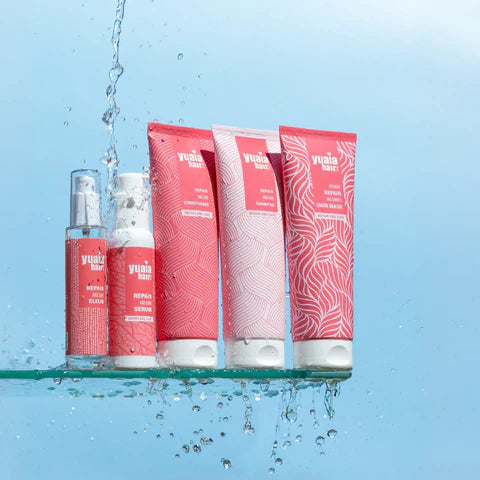







Smooth and Shine Hair Elixir
This lightweight oil smooths the hair and adds shine without making hair greasy

Best for: Dry ends, frizz-prone hair and finishing any hairstyle
How to use: Apply a few drops to dry hair as the final step in your routine.
Ideal if you want instant polish + all-day frizz control
Repair and Shine Serum
A multi-tasking leave-in serum that works as your foundation product for humidity protection.

Why you’ll love it:
- Smooths the hair surface and reduces roughness instantly
- Forms a lightweight protective film against moisture in the air
- Extends the life of blowouts, curls, and straight styles
Best for: Styling prep before heat tools or air-drying
How to use: Apply evenly on damp hair before blow-drying or styling.
Perfect if you want long-lasting smoothness from morning to night
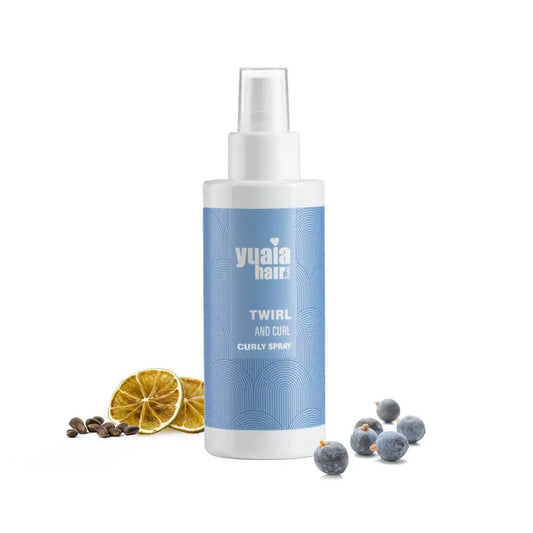
Twirl and Curl Curl Spray
A lightweight curl-enhancing spray designed for frizz-free, defined curls even in humidity.
Why you’ll love it:
- Helps maintain curl shape in humid conditions
- Reduces puffiness and moisture-related frizz
- Refreshes curls between wash days without buildup
Best for: Wavy and curly hair needing definition + control
How to use: Spray into damp or dry hair and scrunch to reactivate curls.
Ideal for a quick daily refresh and humidity-proof curl definition
Twirl and Curl Curly Oil
A nourishing oil that helps define curls, reduce frizz while keeping hair soft and controlled.

Why you’ll love it:
- Seals moisture into the hair to reduce humidity-related frizz
- Enhances curl definition and reduces puffiness
- Adds soft shine without weighing hair down
Best for: Curly and wavy hair that needs definition, frizz control, and extra nourishment
How to use: Apply a small amount to damp or dry hair, focusing on lengths and ends to seal in moisture and smooth the curl pattern.
Ideal if you want defined, soft curls that last even in humid weather
Anti-humidity routine step-by-step
A full routine works better than a single product.
Step 1: Wash and condition
Use a smoothing or hydrating shampoo.
Step 2: Apply leave-in treatment
Use a light leave-in conditioner on damp hair.
Step 3: Apply anti-humidity product
Distribute the product evenly throughout the hair. Focus especially on areas that tend to frizz easily. Avoid using too much, so the hair doesn’t feel heavy. Make sure the product is worked in thoroughly for best results.
Step 4: Heat style (if applicable)
Blow-drying helps activate products and seals styling formulas into the hair fiber for longer-lasting humidity protection. Heat helps polymers and silicones bind more effectively, improving resistance against moisture throughout the day. Using heat tools like a blow-dryer or straightener smooths the cuticle and locks in the product, improving frizz control in high humidity conditions.
Step 5: Finish with sealing spray
Lock everything in with a light finishing spray for extra protection. This final step helps seal all previous styling layers and reduces the impact of humidity by forming an additional lightweight barrier on the hair surface. It also helps control flyaways and extends the longevity of the hairstyle throughout the day.
Common mistakes to avoid
Even the best products won’t work if used incorrectly.
- Using too much product (causes buildup and heaviness)
- Layering incompatible formulas
- Skipping heat activation when required
- Choosing heavy products for fine hair
- Not adjusting routine for different humidity levels
Pro tips from stylists
- Use less product than you think
- Focus on mid-lengths and ends
- Combine light and sealing products
- Always finish with a humidity spray
Frequently asked questions
Do anti-humidity hair products really work?
Yes, but they reduce frizz rather than eliminate humidity effects completely. Results depend on hair type and product quality.
What is the best product for frizzy hair in humidity?
Anti-humidity sprays with polymer technology tend to be the most effective for overall frizz control.
Can you make hair completely humidity-proof?
No product can fully block humidity, but you can significantly reduce its impact.
Are sprays better than oils?
Sprays are generally better for lightweight protection. while oils are better for sealing and shine.


