 2-5 day delivery
 100.000+ satisfied customers
 Satisfaction Guarantee




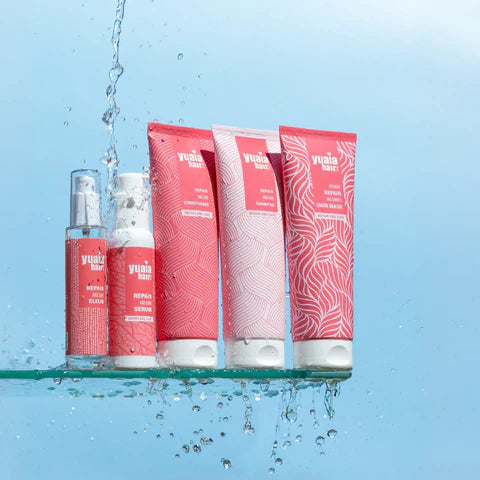




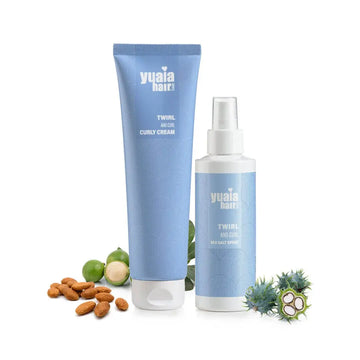

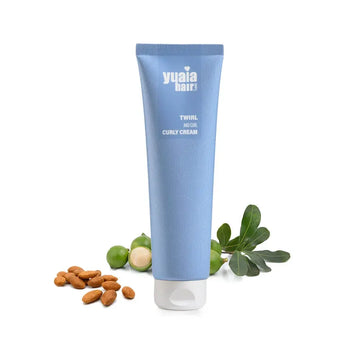


Dry or damaged hair
Dry or damaged hair often benefits from strengthening or repairing shampoos that contain proteins and conditioning ingredients. These formulas help support the hair structure, reduce breakage and enhance the overall texture and softness of the hair. By strengthening weakened areas and adding moisture, they help hair appear smoother, softer and more resilient with continued use.
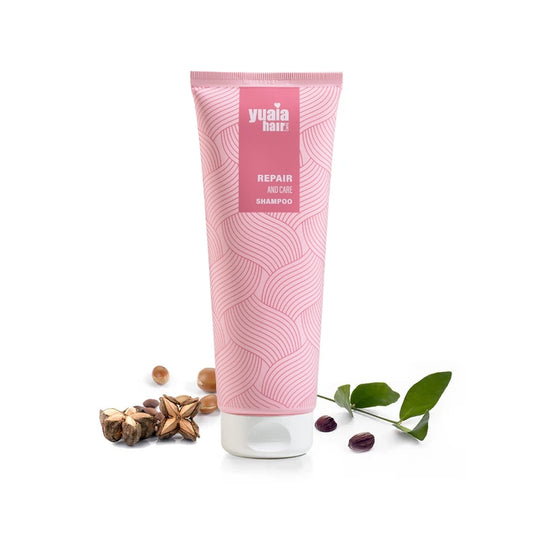
Hair that has been exposed to heat styling, chemical treatments or environmental stress can lose moisture and flexibility over time. A gentle, nourishing shampoo can help restore balance while protecting fragile strands during cleansing. When paired with a consistent routine, strengthening formulas support healthier-looking hair that feels smoother and easier to manage.
Color-treated hair
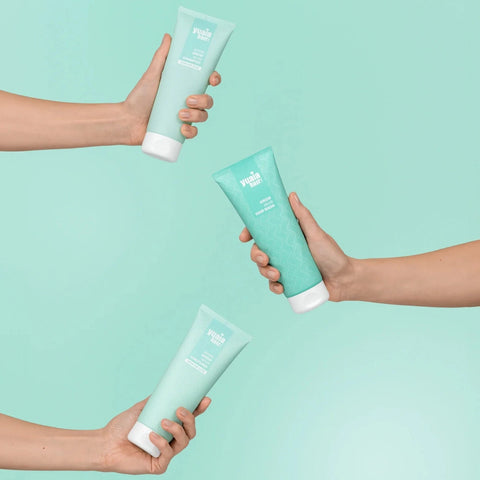
Color-treated hair benefits from a gentle, sulfate-free shampoo that helps preserve vibrancy and reduce fading. When hair is dyed, the cuticle is often slightly more open, which can make it easier for color molecules to wash out over time. A mild formula helps cleanse without stripping away the pigments that keep the shade looking fresh.
[products_2]
Sulfate-free shampoos are also a good choice in general, as they cleanse effectively while being gentler on both the hair and scalp. This can help maintain shine, softness and a more even-looking color between salon visits.
In addition, color-treated hair often needs extra moisture and care to stay healthy and manageable. Chemical processing can make strands feel drier or increase their porosity, which may affect how the color reflects light. Using nourishing products alongside a gentle shampoo can support a smoother surface, helping the shade appear richer and more luminous for longer.
Frizz-prone hair
For frizz-prone hair, smoothing or hydrating shampoos can help balance moisture levels and create a softer, more controlled finish. These formulas often contain nourishing ingredients that support the hair cuticle, helping to reduce flyaways and improve manageability without weighing the hair down. By reinforcing the outer layer of the hair, they can also help limit the hair's absorption of excess moisture from the air, which is a common cause of frizz. Lightweight conditioning agents and humectants work together to maintain hydration while keeping the texture flexible. Consistent use can leave the hair feeling smoother, looking more polished and noticeably easier to style every day.
Dandruff or flakes
If dandruff or flakes are the main concern, a targeted anti-dandruff shampoo can help rebalance the scalp. These formulas gently cleanse while addressing common causes of flakes, such as dryness or excess oil. With regular use, they help reduce irritation and support a healthier scalp environment.
Understand common shampoo ingredients
Knowing a bit about what goes into your shampoo can make choosing the right one much easier. When you understand how specific ingredients work, you can select a formula that truly supports your hair and scalp needs instead of basing your decision solely on promotional messaging.
Choosing the right cleansing agents for your hair and scalp
Cleansing agents, commonly known as surfactants, lift away oil, sweat, and buildup from both the scalp and hair. Some provide a more intensive cleanse, while others are gentler. If hair feels overly dry or tight after washing, the formula may be too strong. Mild surfactants are often better for dry, color-treated, or sensitive scalps, while stronger cleansers can help very oily scalps or heavy product buildup.
Hydrating ingredients
Hydrating ingredients such as glycerin and selected plant oils help attract and retain moisture in the hair. These ingredients work by drawing water into the hair fiber and helping it stay there, which supports improved softness and flexibility. This can make the hair easier to manage and help reduce the feeling of dryness or roughness.
Hydration is especially important for dry, curly, or coarse hair types, as these textures often lose moisture more easily. When hair lacks moisture, it may appear dull or feel more difficult to style. Using products with hydrating ingredients can help maintain a smoother surface, improve manageability, and support a healthier-looking finish.
Proteins
Proteins can temporarily strengthen weak or damaged strands by helping fill small gaps along the hair shaft, allowing hair to feel stronger and more resilient. They can improve structure and reduce the appearance of breakage. However, overuse may cause stiffness or dryness, so maintaining a balanced routine is important.
Different types of proteins are commonly used in hair care, including keratin, silk protein, and wheat protein. These ingredients help reinforce the hair’s outer layer and support its overall structure. For hair that is chemically treated, heat styled, or frequently brushed, protein-based products can help improve how the strands feel and look. Because hair also needs moisture to remain flexible, alternating between protein and moisturizing products can help maintain a balanced routine that supports both strength and softness.
Clarifying ingredients
Clarifying ingredients help remove buildup from styling products, excess oil, and environmental residue that can accumulate on the scalp and hair. This deeper cleanse helps restore a lighter feel and improves how haircare products work. They are especially helpful for oily roots or frequent styling product use and are best used occasionally.
Common mistakes to avoid
Even with the right intentions, it’s easy to fall into habits that make choosing the right shampoo more complicated than it needs to be. Being aware of common mistakes can help you build a routine that truly supports your scalp and hair goals.
Switching shampoos too quickly
Changing shampoos too often without giving them time to work can prevent you from seeing real results. Hair and scalp usually need several washes to adjust to a new formula. If you switch products constantly, it becomes difficult to know what is actually helping or causing issues. Allow a fair trial period before deciding whether a shampoo works for you.
Using clarifying shampoo too often
Clarifying shampoos are effective at removing buildup, excess oil and residue from styling products. However, using them as your daily wash can strip away too much natural oil and leave hair feeling dry or brittle. These formulas are best used occasionally rather than as an everyday cleanser.
Focusing only on hair lengths
It’s common to focus on dry or damaged ends, but shampoo is primarily meant for the scalp. Ignoring scalp health can create imbalance over time, even if your lengths need extra care. A healthy scalp supports stronger, better-looking hair overall, so choosing a shampoo based on scalp needs is just as important as caring for the ends.
Choosing the wrong weight formula
A shampoo that is too heavy can flatten fine hair and make it look limp, reducing natural movement and volume. On the other hand, a formula that is too lightweight may not provide sufficient moisture or care for thick, coarse or curly textures, leaving hair feeling dry, rough, or harder to manage.
Confidently choosing the right shampoo for you
If you’re wondering which shampoo is right for you, the best answer isn’t a single product recommendation but a clear approach. Start by assessing your scalp, understand your hair type, identify your main concern and then choose a formula that aligns with those needs. By taking a considered and informed approach, what once felt confusing can turn into a straightforward and confident decision.


