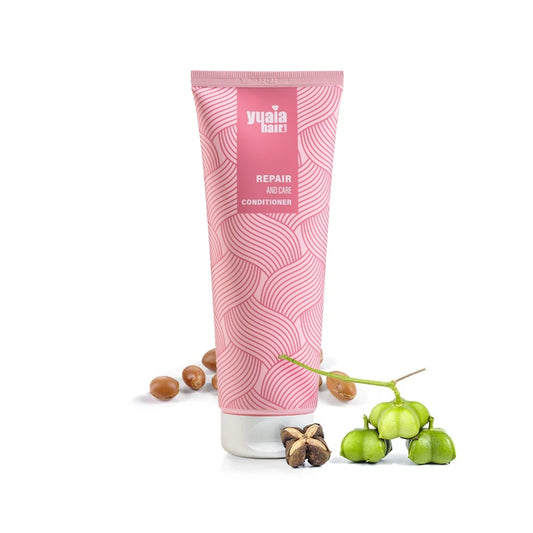
The order in which shampoo and conditioner are used can affect how clean the scalp feels, how soft the hair becomes, and how well hair care products perform. While the traditional routine is often followed without much thought, alternative washing methods have gained attention and highlighted why the order of application matters.
What does shampoo and conditioner actually do?
To understand why order matters, it helps to know what each product is made to do. Shampoo is formulated to cleanse the scalp and hair by removing excess oil, dirt, sweat, and product buildup. It focuses primarily on the scalp, where oil and impurities accumulate.
Conditioner, on the other hand, is made to moisturize and smooth the hair lengths. It helps reduce friction, improve manageability, add softness, and protect the hair cuticle after cleansing. Conditioner is usually meant for the mid-lengths and ends rather than the scalp.
The traditional method: Shampoo first, then conditioner
The most common and widely recommended routine is to shampoo first and apply conditioner afterward. Shampoo cleans the hair and scalp by removing oil, product residue and environmental buildup, which allows the conditioner to perform more effectively. When impurities are cleared away, conditioning ingredients can better coat the hair and support moisture balance. Using shampoo first also prevents oils and buildup from interfering with hydration. Conditioner then helps smooth the cuticle, improve manageability, and reduce friction during detangling and styling. This approach supports both cleanliness and softness, making it a reliable option for maintaining healthy hair across most hair types and routines.
Reverse washing is an alternative method where conditioner is applied before shampoo. This approach gained popularity among people with fine or easily weighed-down hair. The idea is that conditioner creates a light protective layer, while shampoo removes excess product afterward.
This method can help prevent hair from feeling heavy or greasy while still providing some level of hydration. However, it may not cleanse the scalp as thoroughly for everyone, especially if there is significant oil buildup.
The co-washing approach
Co-washing refers to washing the hair using conditioner only or a cleansing conditioner, rather than traditional shampoo. This approach is especially popular among people with curly, textured or very dry hair, as it helps maintain moisture while gently cleansing the scalp. Because co-washing avoids stronger surfactants, it can reduce dryness, frizz and irritation for sensitive scalps. However, this method may not remove heavy product buildup or excess oil as effectively as shampoo. For that reason, many people who co-wash include an occasional clarifying wash in their routine to keep the scalp clean and balanced over time.
Hair type has a strong influence on how hair responds to different washing routines. Understanding how texture, thickness, and moisture needs vary makes it easier to choose an order that supports both scalp balance and overall hair condition.
Try our hair test
The hair test gives you precise answers about which products are best for your hair type. Try it now 👇🏼
Fine hair often benefits from lighter routines, such as reverse washing, where conditioner is applied before shampoo. This can help avoid flatness and prevent the hair from being weighed down by heavier products.
Oily scalp
An oily scalp typically responds best to a shampoo-first routine. Shampooing first helps thoroughly cleanse the roots and remove excess oil, allowing the scalp to feel fresh and balanced.
Get a 10% discount code sent to you
Receive the best tips and tricks for your hair from Lotte and Nanna 🥰
Dry or frizzy hair
Dry or frizzy hair usually benefits from the traditional shampoo-and-conditioner method. Shampoo cleanses the hair, while conditioner applied afterward helps restore moisture and smooth the hair lengths.
Curly or textured hair
Curly or textured hair often responds well to co-washing or gentler routines that prioritize hydration. These approaches help maintain moisture levels and support curl definition without over-cleansing.
Benefits and drawbacks of each method
Shampoo-first routines provide a thorough cleanse and leave the scalp feeling fresh and balanced. This method is effective at removing excess oil, sweat, and styling product buildup, making it well suited for oily scalps or active lifestyles. However, frequent shampooing can sometimes strip the scalp of its natural oils, which may lead to dryness or irritation over time.
Which hair washing method do you use most often?
Shampoo then conditioner
Conditioner then shampoo
Conditioner only (co-wash)
I switch between methods
Benefits and drawbacks of reverse washing
Reverse washing, where conditioner is applied before shampoo, offers lighter conditioning and can help add volume, especially for fine or easily weighed-down hair. The main drawback is that it may not fully remove heavier product buildup, which can affect scalp freshness.
Benefits and drawbacks of co-washing
Co-washing focuses on hydration, softness, and reduced dryness, making it popular for curly or dry hair types. Without occasional clarifying, however, residue can build up and leave hair feeling heavy or coated.
Step-by-step how to do each method
For the traditional method, wet the hair thoroughly, massage shampoo into the scalp, rinse, apply conditioner to the mid-lengths and ends, and rinse again. For reverse washing, apply conditioner first, rinse lightly, shampoo the scalp, and rinse thoroughly. For co-washing, massage a cleansing conditioner into the scalp and hair, then rinse well.
Frequently asked questions
Can conditioner replace shampoo?
Conditioner alone usually cannot replace shampoo entirely. While it can refresh the hair and add moisture, shampoo is still needed to properly cleanse the scalp, especially for oily scalps or when there is product buildup.
Does reverse washing make hair greasy?
Reverse washing does not automatically make hair greasy. The result depends on hair type, how much conditioner is used, and whether the shampoo is strong enough to remove excess residue.
Is it okay to switch between methods?
Switching methods can be helpful, as hair needs may change over time. Consistency and observing how the hair and scalp respond are important for good results.
Finding the right order for shampoo and conditioner
For most people, shampooing first and conditioning afterward remains the most effective and balanced approach. However, experimenting with reverse washing or co-washing can help certain hair types achieve better results. The best routine is the one that keeps both the scalp and hair healthy, clean, and comfortable.
Get a 10% discount code sent to you
Receive the best tips and tricks for your hair from Lotte and Nanna 🥰
 2-5 day delivery
 25.000+ satisfied customers
 Satisfaction Guarantee