 2-5 day delivery
 100.000+ satisfied customers
 Satisfaction Guarantee











How to get knots out of hair safely
When hair knots appear, it can be tempting to brush them out quickly. However, pulling hair apart aggressively often leads to hair breakage and damage. A gentle approach helps loosen knots without harming the hair.
Start with moisture
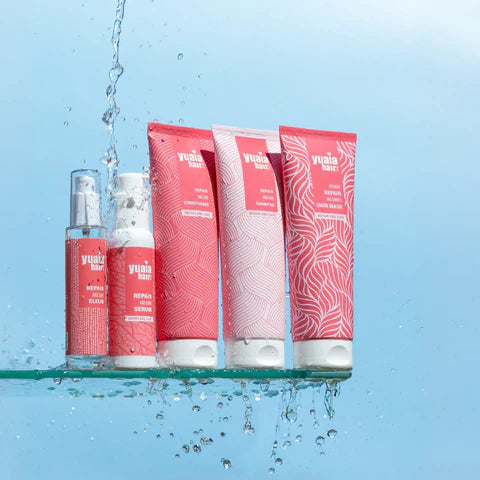
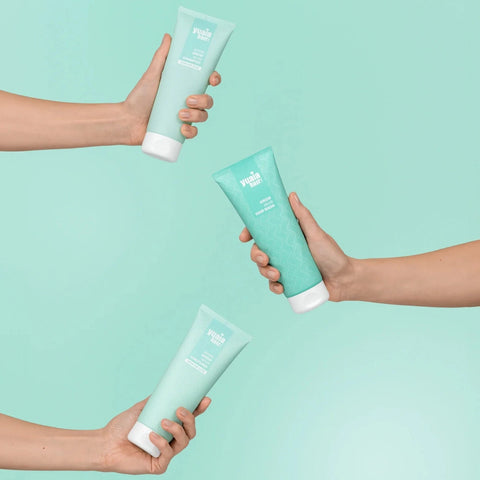
Applying conditioner, leave-in conditioner or a detangling product helps soften the hair. Moisture reduces friction between hair strands and makes it easier for the knot to loosen.
Hair that is slightly damp is often easier to detangle than completely dry hair, as the added moisture allows the hair to move more freely. Conditioning products also help smooth the outer cuticle layer, which reduces the chances of hair catching onto neighboring hair strands. This makes the detangling process gentler and lowers the risk of unnecessary breakage. When hair is properly hydrated, knots tend to loosen more easily, allowing you to work them out gradually rather than force them apart.
Separate hair into sections
Working with smaller sections of hair helps isolate the knot and prevents surrounding hairs from tightening the tangle further.
Dividing the hair into manageable sections makes it easier to see where the knot begins and ends. This approach allows each tangle to be handled individually instead of pulling through a large mass of hair. Keeping a grip on the hair above the knot can also reduce pulling on the scalp while detangling, which helps make the process more comfortable. Sectioning the hair also gives better control when using fingers, a comb, or a brush, allowing knots to be loosened gradually without creating additional tangles nearby.
Use fingers before tools
Gently separating hair strands with fingers is often the safest way to loosen a knot. Fingers allow more control than brushes or combs and help identify which hair strands are tightly wrapped.
Slowly easing apart the hair strands can reduce tension within the knot.
Use the right comb or brush
After loosening the knot slightly with fingers, a wide-toothed comb can help continue the detangling process. Wide spaces between the teeth reduce pulling and allow the comb to move through the hair more smoothly.
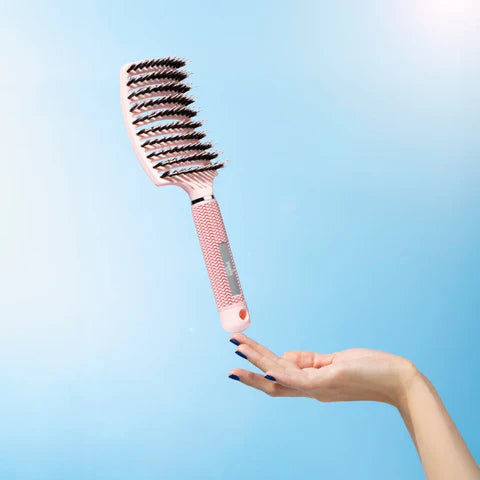
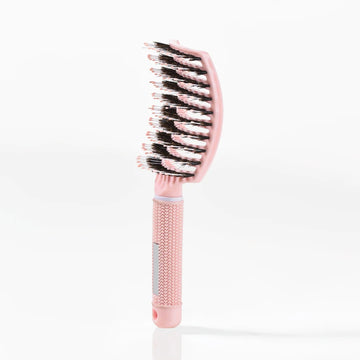
Special detangling brushes can also help separate hair strands without excessive force.


Start from the ends
Detangling should begin at the ends of the hair and gradually move upward toward the roots. This method prevents smaller tangles from tightening into larger knots.
Working slowly from the bottom up keeps tension lower and protects the hair structure.
Common mistakes when removing hair knots
Many people accidentally damage their hair while trying to remove knots. Some common mistakes include:
- Brushing aggressively: Using force to pull a brush through tangled hair can snap hair strands and worsen the knot.
- Detangling completely dry hair: Without moisture, hair strands have more friction and are harder to separate.
- Trying to remove a large knot all at once: Large knots often need to be loosened gradually. Pulling the entire knot apart quickly usually leads to breakage.
- Using very fine combs: Fine-tooth combs may catch tightly on hair strands and make tangles worse.
How to prevent hair knots
Although hair knots cannot always be avoided completely, certain habits can significantly reduce how often they appear.
Maintain moisture in the hair
Regular conditioning helps smooth the hair cuticle and reduce friction between hair strands. Hair masks and leave-in conditioners can also support moisture balance.
When hair stays hydrated, hair strands glide past each other more easily instead of catching.
Trim hair regularly
Regular trims remove split ends that contribute to tangling. Even small trims can improve how smoothly hair moves and reduce the formation of knots.
- Brush hair gently: Brushing hair regularly helps prevent loose hair strands from wrapping around other hairs. Using a gentle brush or wide-toothed comb can keep hair smoother throughout the day.
- Protect hair while sleeping: Nighttime friction can create knots, especially at the back of the head. Loose braids, protective hairstyles, or smooth pillowcases can reduce friction while sleeping.
- Reduce friction during daily activities: Wearing hairstyles that keep hair controlled can help limit tangling. Simple styles such as braids, buns, or ponytails reduce movement that allows hair strands to wrap together.
Signs that frequent hair knots may indicate hair damage
Occasional tangles are normal, but constant hair knots may signal that hair needs additional care. When hair becomes damaged, the outer cuticle layer can lift, which makes hair strands more likely to catch on each other and form knots.
Signs may include:
- Hair that tangles immediately after brushing
- Breakage during detangling
- Visible split ends
- Hair that feels rough or dry
Improving moisture levels and reducing heat styling can often help create a smoother hair surface and make the hair easier to manage.
Simple habits to reduce hair knots
Small adjustments in daily routines can help limit the appearance of hair knots. Many tangles develop during the day as hair moves, rubs against clothing or catches onto loose hairs that have already shed. Paying attention to a few habits can help prevent tangles from building into larger knots.
Some simple habits that can help reduce hair knots include:
- Keeping hair moisturized with conditioner or leave-in products so hair moves more smoothly
- Detangling hair gently instead of pulling through tangles
- Using a wide‑toothed comb or detangling brush rather than very fine combs
- Brushing hair in small sections to prevent tightening existing tangles
- Working slowly through knots instead of trying to remove them all at once
- Protecting hair from friction caused by clothing, wind, or rough fabrics
Regular detangling also helps prevent knots. Brushing carefully in the morning, detangling before bed and removing loose shed hairs can help keep hair easier to manage.
- Brushing or combing hair carefully in the morning
- Detangling hair again before going to bed
- Removing loose hair strands that may become trapped in the rest of the hair
With the right approach, hair knots become easier to manage and less likely to get in the way of daily hair routines.
Managing hair knots in daily hair care
Hair knots are a common part of regular hair care, especially for longer hair or hair that naturally bends, curls or moves frequently throughout the day. While they can be frustrating, most knots form simply because hair strands rub against each other, twist together or catch onto loose hairs that have already shed.
Learning how hair behaves makes it easier to deal with tangles calmly and gently. Regular conditioning, careful detangling, and reducing friction during daily activities can make a noticeable difference in how often hair knots appear.
When hair is handled patiently and supported with the right care habits, knots are less likely to tighten or cause breakage. Over time, these small adjustments help keep hair smoother, easier to manage and more comfortable to maintain in everyday routines.


