 2-5 day delivery
 100.000+ satisfied customers
 Satisfaction Guarantee












Preparing your hair for detangling
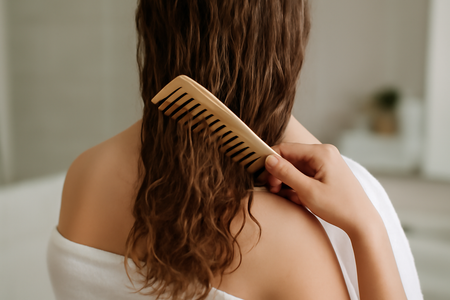
Adapt detangling to your hair type. Straight hair can be gently combed when dry or after being allowed to dry a little following washing. Curly and tightly textured hair is often easier to detangle wet with conditioner or with a suitable leave-in product. Handle wet hair gently. Use your fingers or a wide-tooth comb and never force your way through a knot.
Sectioning your hair is another vital step in preparing for detangling. By dividing your hair into smaller, more manageable sections, you gain better control and can focus on one area at a time. This method not only makes the process more efficient but also reduces the risk of pulling and breaking hair. Use clips or hair ties to secure each section as you work through your hair.


How to loosen hair knots step by step
- Set aside time and divide the hair into small sections. Keep loose lengths separate from the knot.
- Apply conditioner or a detangling product to the area according to its instructions to add slip.
- Hold the section just above the knot to reduce pulling on the scalp. Gently loosen the outer strands with your fingers.
- Once the knot is looser, use a wide-tooth comb from the ends and work upwards. Never force the comb through resistance.
- Take breaks and rinse out any rinse-out product as directed. Stop if detangling hurts or requires forceful pulling.
Severely matted hair: When should a hairdresser help?
Small knots and dense mats need different approaches. If the hair has formed a compact mat, particularly close to the scalp, ask a hairdresser to assess it before trying to cut it. A comb getting stuck does not automatically mean the hair must be cut. A hairdresser can assess what can be loosened and whether a limited trim is needed. Avoid repeated forceful attempts and cutting close to the skin.
Essential tools for gentle detangling
The tools you use can make a significant difference in how effectively you detangle your hair. A wide-tooth comb is ideal for gently working through knots without causing excessive pulling or breakage. Its spaced-out teeth help to ease through tangles without catching on the hair. Our wide-toothed comb is perfect for this task, offering a smooth detangling experience.

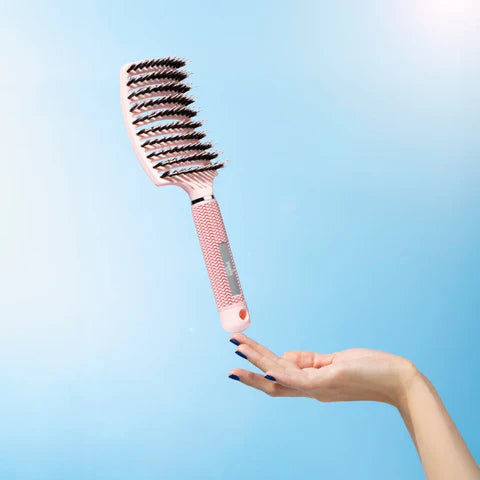
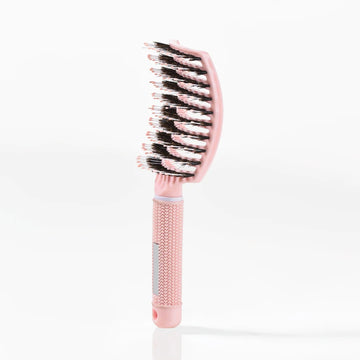
For those who prefer using a brush, the Curvy Brush is an excellent choice. Designed with boar bristles, it effectively detangles while distributing natural oils from the scalp throughout the hair, promoting shine and reducing frizz. This brush is gentle enough for daily use and helps maintain hair health while detangling. Check out the Curvy Brush for a seamless brushing experience.

€24,99
Enhancing slip with products
To further ease the detangling process, consider incorporating products that enhance slip, making it easier to work through knots. Leave-in conditioners and hair oils are particularly effective in this regard. These products coat the hair, reducing friction and allowing combs or brushes to glide through effortlessly. Our rosemary hair oil is an excellent choice for adding slip and nourishment, helping to keep hair healthy.

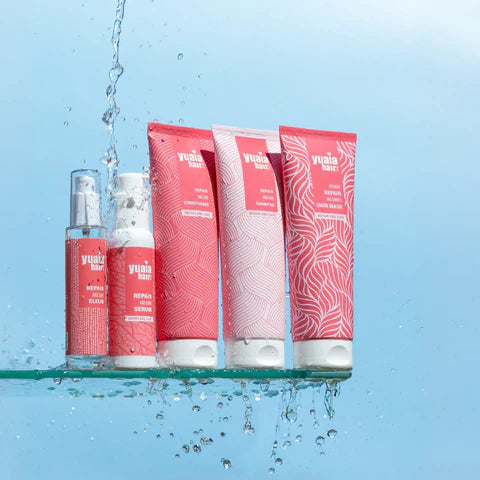
In addition to oils, using sulfate-free shampoos can help maintain the natural moisture balance of your hair, preventing dryness and tangling. Our Grow and Glow and Repair and Care shampoos are formulated to gently cleanse while supporting hair health, making them ideal for those seeking to keep their hair tangle-free.
Preventative measures for long hair
Regular detangling is key to preventing severe knots from forming. Establishing a consistent routine, particularly on wash days, can help manage tangles before they become problematic. It's also beneficial to maintain moisture levels throughout the day, especially if your hair tends to dry out quickly. Keeping a spray bottle handy allows you to rehydrate your hair as needed, preserving its softness and manageability.
By implementing these techniques and utilizing the right tools and products, you can effectively detangle long hair with minimal damage. With patience and care, achieving smooth, tangle-free hair becomes a manageable task.
Additional tips for managing long hair
For those with long hair, managing tangles is just one aspect of maintaining healthy, beautiful locks. Here are some additional tips to keep your hair in top condition:
Sleep care: Protecting your hair overnight
One of the lesser-known secrets to tangle-free hair is taking care of it while you sleep. Using a bamboo pillowcase can reduce friction, helping to prevent tangles and breakage. Bamboo is gentle on the hair and helps maintain moisture, reducing the risk of waking up with a tangled mess.

Post-swimming hair care
Chlorine and saltwater can be harsh on your hair, leading to increased tangling. Before swimming, apply a leave-in conditioner to create a protective barrier. After swimming, rinse your hair thoroughly with fresh water to remove any residual chlorine or salt. Following up with a gentle detangling routine can help prevent damage and keep your hair smooth.
Scalp health: The foundation of healthy hair
A healthy scalp is essential for maintaining long, tangle-free hair. Regularly massaging your scalp can stimulate blood flow, promoting hair growth and overall health. Consider using our rosemary hair oil for its nourishing properties that support scalp health and enhance hair manageability.
Frequently asked questions
Can I detangle my hair when it's dry?
Adapt detangling to your hair type. Straight hair can be gently combed when dry or after being allowed to dry a little following washing. Curly and tightly textured hair is often easier to detangle wet with conditioner or with a suitable leave-in product. Handle wet hair gently. Use your fingers or a wide-tooth comb and never force your way through a knot.
What products help with detangling long hair?
Products like detangling sprays, leave-in conditioners, and hair oils are excellent for easing the detangling process. They add slip, making it easier to work through knots without causing damage.
How often should I detangle long hair?
The frequency of detangling depends on your hair type and lifestyle. Generally, detangling during wash days is sufficient, but those with particularly knot-prone hair may benefit from more frequent sessions.
What are the best practices for post-swimming detangling?
After swimming, rinse your hair with fresh water to remove chlorine or salt. Apply a leave-in conditioner to help detangle and protect your hair. Use a wide-tooth comb or detangling brush to gently work through any knots.
How to prevent new knots and tangles
Once hair is detangled, a few simple habits can help limit new tangles. The aim is to reduce friction and unnecessary pulling, especially through long lengths and ends.
Brush gently
Start at the ends and work upwards in small sections. If your brush meets resistance, stop and loosen the area gently rather than pulling through it.
Protect hair overnight
Loosely securing the hair or wearing a loose braid can reduce movement and friction against bedding. Avoid very tight styles that pull on the hair and scalp.
Reduce everyday friction
Collars, scarves, jackets and wind can all create additional friction in long hair. Pay particular attention to the nape, where tangles often form.
Use suitable tools
A brush or comb that suits your hair type can make detangling easier. Use no more force than necessary and add suitable conditioning or leave-in care if the hair needs more slip.


