 2-5 day delivery
 100.000+ satisfied customers
 Satisfaction Guarantee











Glycerin
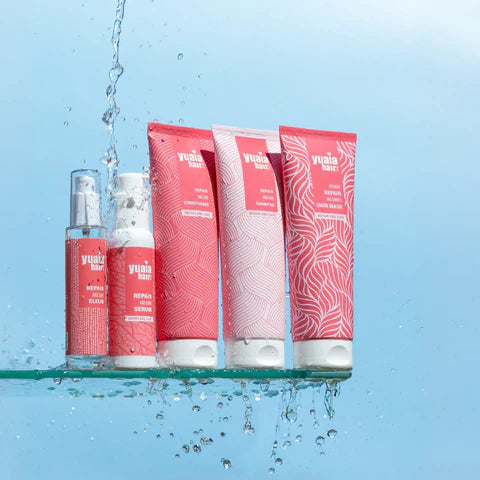
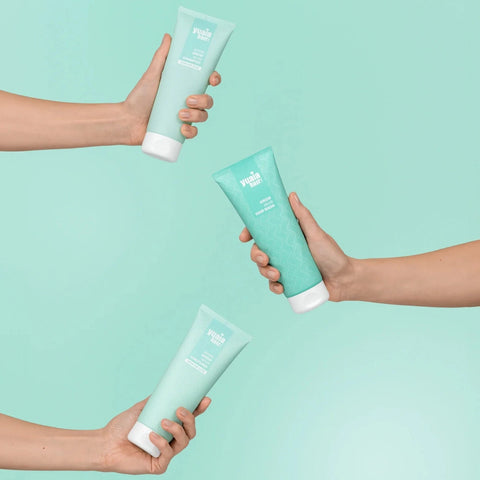
Glycerin is one of the most well-known humectants used in hair care and is valued for its strong ability to attract and retain moisture. It is commonly found in conditioners, leave-in products and styling creams, where it helps prevent dryness and improve overall hair feel. When properly balanced within a formula, glycerin supports softness, flexibility, and smoother texture without weighing the hair down. It can also help hair respond better to everyday styling and environmental exposure. An example is our Grow and Glow conditioner which contains glycerin to support moisture balance while also helping nourish the hair and scalp as part of a regular conditioning routine.

Hyaluronic acid and sodium hyaluronate
Hyaluronic acid and its salt form, sodium hyaluronate, are lightweight humectants known for their ability to bind large amounts of water relative to their size. In hair care, they are used to help attract and retain moisture within the hair and on the scalp, supporting a more balanced moisture level. Because they are light in texture, they provide hydration without creating a heavy or greasy feel, which makes them suitable for fine hair or hair that is easily weighed down. Regular use can help improve softness, flexibility and overall manageability, especially in hair that tends to feel dry.

Panthenol (vitamin B5)
Panthenol is an ingredient in hair care that functions as both a humectant and a conditioning agent. It attracts moisture to the hair while also helping to improve softness, flexibility and overall feel. By supporting moisture retention, panthenol can make hair easier to manage and less prone to breakage. It also helps smooth the hair surface, which can improve texture and reduce roughness over time. Panthenol is commonly used in conditioners, treatments, and styling products, where it supports hydration without weighing the hair down and contributes to healthier-looking, more resilient hair with regular use.
Sorbitol
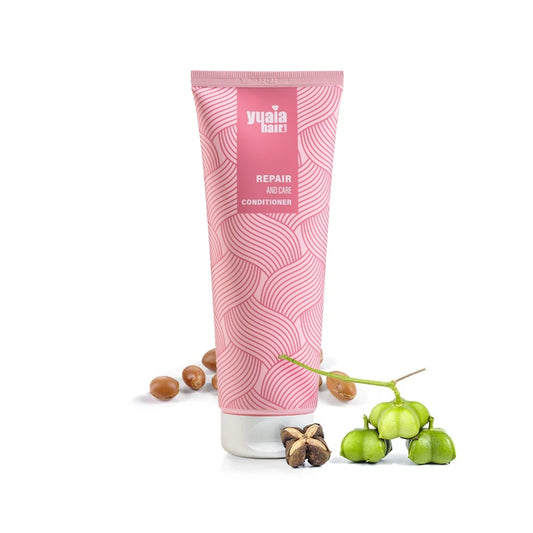
Sorbitol is a sugar-derived humectant commonly used in hair care products to help attract and retain moisture within the hair. It works in a similar way to glycerin by drawing water toward the strands, which supports hydration, softness and flexibility. Because sorbitol is typically used in lower concentrations, it provides effective moisture support without leaving the hair feeling heavy or sticky. This makes it especially suitable for lightweight formulas and for those who prefer a softer finish. Our Repair and Care conditioner contains sorbitol to help maintain moisture balance, improve manageability, and leave the hair feeling smooth and well-groomed with regular use.
Natural-leaning humectants commonly used in hair products
Some humectants are derived from natural sources while still being widely used in commercial hair care products. Aloe vera extract is a common example, frequently found in shampoos, conditioners, and leave-in products. It offers humectant properties that help attract moisture while maintaining a lightweight feel. Other plant-based ingredients with moisture-binding abilities are also used for similar reasons. These humectants are often chosen because they work well across many hair types and routines. They support hydration without leaving heavy residue, making them suitable for regular use and for hair that benefits from balanced moisture rather than rich conditioning.
Humectants for low porosity hair
Low porosity hair has a tightly packed cuticle structure, which can make moisture absorption more challenging. For this hair type, lighter humectants are often preferred, as they help attract moisture without overwhelming the hair.
Commonly recommended humectants for low porosity hair include:
- Panthenol
- Hyaluronic acid
- Sodium hyaluronate
These ingredients help draw moisture into the hair without creating heavy buildup. Glycerin can also work well when used in moderate amounts and balanced with other conditioning ingredients.
Application matters as much as ingredient choice. Using humectants in lightweight leave-in products or during conditioning steps can support better moisture uptake while keeping hair light and manageable.
How to use humectants effectively in a hair routine
Humectants can support better moisture balance when used correctly as part of a hair routine. Understanding how and when to apply them helps reduce unwanted effects and makes it easier to maintain soft, manageable hair over time.
Use humectants alongside emollients and occlusives
Humectants work best when they are part of a balanced hair care routine rather than used on their own. While humectants attract moisture to the hair, emollients soften it and occlusives help seal moisture in., emollients help smooth the hair surface and improve softness. Occlusives or lightweight sealing ingredients then help reduce moisture loss by forming a protective layer around the strands. When these elements are used together, hydration is more likely to stay within the hair instead of evaporating too quickly. This combination supports better moisture balance, smoother texture, and improved manageability, especially for hair that tends to feel dry or rough over time.
Apply humectants on damp hair
Applying humectant-rich products to damp hair can support better moisture balance, as water is already present within the hair strand. This allows humectants to bind more evenly and helps reduce the risk of uneven moisture distribution, supporting smoother texture and more consistent results.
Adjust humectant use based on climate and hair response
Climate has a direct impact on how humectants interact with the hair, which makes it important to adjust their use accordingly. In dry or cold conditions, humectants can pull moisture from within the hair fiber instead of the surrounding air, potentially leaving the hair feeling drier. In humid climates, they may attract excess moisture, which can lead to increased frizz or loss of definition. Paying attention to how the hair reacts in different weather conditions makes it easier to adapt product choices and routines. Reducing or layering humectant-rich products when needed helps support balanced hydration and more predictable results.
Use humectants consistently, not occasionally
Humectants are most effective when used regularly as part of a consistent hair care routine. Ongoing use helps maintain stable moisture levels, which supports smoother texture, improved manageability, and more predictable results over time.
Layer humectant products correctly
When using multiple products, humectant-containing formulas are best applied earlier in the routine, before heavier creams or oils. This allows moisture-attracting ingredients to do their job before being sealed in by richer products.
Pay attention to product buildup
Using several humectant-rich products at once can sometimes lead to buildup, especially on fine hair. Rotating products or keeping the routine simple helps maintain moisture without weighing the hair down.
Frequently questions about humectants for hair
Do humectants cause frizz?
Humectants do not automatically cause frizz. Their effect depends on factors such as the overall formulation, the surrounding climate and individual hair type. In very humid environments, they may draw in excess moisture, while in dry conditions they often work best when combined with ingredients that help lock moisture in.
Are synthetic humectants safe to use on hair?
Synthetic humectants used in hair care are generally considered safe when formulated correctly. They are formulated to help maintain moisture balance in the hair rather than change its structure.
Can humectants be used on all hair types?
Humectants can be used on most hair types, but how they perform varies. Fine, curly or dry hair may respond differently depending on climate, product balance, and overall routine, making personal adjustment important.
Choosing the right humectants for your hair
Humectants for hair are a fundamental part of effective hydration. By understanding what they are, how they work and which ingredients are commonly used in hair care products, it becomes easier to choose products that support long-term moisture balance. Selecting the right humectants for your hair type and routine can make a noticeable difference in softness, manageability and overall hair health.


