 2-5 day delivery
 100.000+ satisfied customers
 Satisfaction Guarantee











Techniques for safe heat styling
How styling tools are used matters just as much as which tools are chosen. Allowing hair to air dry partially before blow drying reduces total heat exposure, while using straighteners or curling irons on fully dry hair helps prevent unnecessary damage. Sectioning the hair ensures fewer passes with any tool, minimizing repeated heat on the same strands.
Using smooth, controlled movements instead of repeatedly going over the same section helps prevent overheating, whether blow drying, straightening or curling. Letting hair cool before touching or brushing it can help set the style and reduce stress. Limiting how often heat styling tools are used during the week also gives hair time to recover.
Post-heat styling hair care
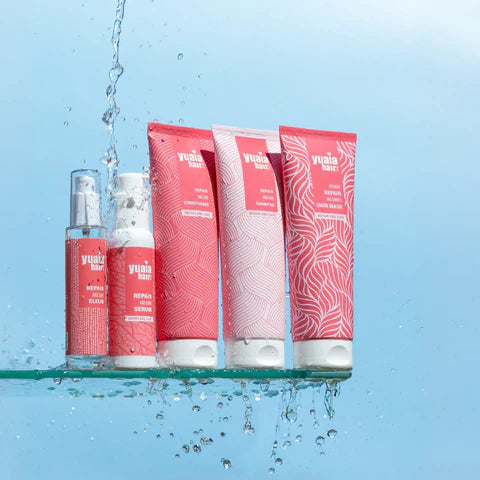
Hair care does not stop once styling is finished. Post-heat care helps restore moisture and maintain hair strength. Deep conditioning treatments and hair masks can replenish hydration lost during heat exposure.
Lightweight oils or leave-in conditioners can help smooth the cuticle, add shine, and reduce friction that leads to breakage. Consistent aftercare supports healthier hair over time, even when heat styling is part of a regular routine.
Heat-free styling strategies
Reducing reliance on heat is one of the most effective ways to protect hair from styling tools and minimize long-term damage. Heat-free methods, such as braiding damp hair to create waves, using rollers for volume, or embracing natural texture, can deliver versatile styles without exposing hair to high temperatures. Air drying whenever possible also helps preserve moisture and strength. Planning regular heat-free days throughout the week gives hair time to recover from previous styling and reduces cumulative stress. Over time, incorporating these approaches into a routine helps maintain healthier-looking hair while still allowing for flexibility and variety in styling choices.
Tips by hair type
Different hair types respond differently to heat. Fine hair typically requires lower temperatures and lightweight products to avoid weighing it down. Thick or coarse hair may need slightly higher heat but still benefits from careful temperature control and thorough protection.
Curly or textured hair often benefits from minimizing heat altogether, as curls can be more prone to dryness. When heat is used, extra moisture and protection are especially important.
Mistakes to avoid
When using heat styling tools, certain habits can significantly increase the risk of damage.
Skipping heat protectant is one of the most common mistakes, as unprotected hair loses moisture more quickly. Using the highest heat setting by default can also cause unnecessary stress, especially when lower temperatures are sufficient. Repeatedly passing tools over the same section of hair adds even more damage and weakens the structure. Styling hair while it is overly wet, rather than properly towel-dried or air-dried, can further increase breakage. Neglecting post-styling care, such as hydration and conditioning, may also prevent hair from recovering properly over time.
Frequently asked questions about heat styling
Can hair recover from heat damage?
Hair can recover to some extent depending on the severity of the damage. Mild heat damage may improve with reduced heat use, nourishing products, and protective routines. However, severe damage is often permanent and typically requires trimming, combined with long-term prevention to avoid further breakage .
Do natural oils replace heat protectants?
Oils can add moisture and shine, but they do not provide the same level of heat protection as dedicated heat protectant products.
Smart heat styling for healthier hair over time
Heat styling does not have to come at the expense of hair health. The key lies in creating balance between achieving the desired look and protecting the hair from unnecessary stress. Using heat protectant products helps reduce moisture loss, while choosing styling tools with adjustable temperature settings allows better control. Proper techniques, such as avoiding repeated passes and working on fully dry hair, also make a noticeable difference. When combined with supportive hair care routines that focus on hydration and repair, these habits help maintain strength and smoothness. Over time, even small, consistent adjustments can result in healthier, more resilient hair.


