 2-5 day delivery
 100.000+ satisfied customers
 Satisfaction Guarantee













Building a growth‑focused care routine
A consistent hair care routine is an important part of supporting hair growth while helping the hair remain strong and manageable over time. Gentle cleansing forms the foundation of this routine, as it helps keep the scalp balanced and free from buildup without stripping away natural moisture. A well-maintained scalp creates better conditions for healthy hair growth and reduces the risk of irritation or dryness that can interfere with the growth cycle.
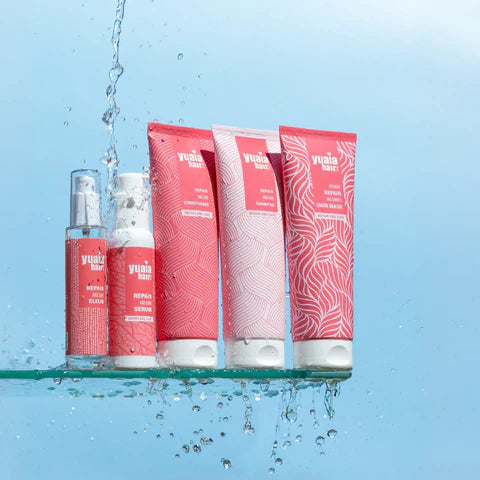
Our Grow and Glow Shampoo is formulated to cleanse effectively while supporting a healthy scalp environment and encouraging stronger, fuller-looking hair. When used regularly, it helps maintain a clean base where hair can grow without unnecessary stress. Following up with Grow and Glow Conditioner helps restore moisture, smooth the hair surface, and reduce friction between strands. This makes the hair easier to detangle and style, which can lower the risk of breakage caused by pulling or rough handling. Together, this shampoo and conditioner duo supports elasticity, softness, and shine as part of everyday care.

Daily habits also matter. Detangling should always be done gently, starting at the ends and working upward to minimise strain on the hair shaft. Protective styling, avoiding excessive heat, and being mindful during washing all contribute to length retention. Occasional trims also support long-term growth by removing split ends before they travel upward, helping preserve overall length and allowing healthy growth to become more visible over time.
Diet, lifestyle and internal support
Hair growth is influenced not only by external care but also by internal factors. A balanced diet that includes enough protein, vitamins, minerals, and healthy fats supports the body’s ability to grow strong hair. Sleep, stress management, and general well‑being also matter, as chronic stress or poor sleep can interfere with the hair growth cycle.
Daily maintenance and protective habits
Small, consistent habits play a major role in preserving hair length over time. Focusing on gentle care and everyday protection helps reduce breakage, allowing ongoing growth to become more visible and easier to maintain.
Reducing daily friction and damage
As hair gets longer, everyday handling becomes more demanding on the hair, because the ends of the hair are older and have been exposed to more mechanical stress over time. Friction from clothing, bags, scarves, chair backs, and frequent manipulation can gradually weaken the hair shaft and lead to breakage if it is not addressed. This makes everyday habits just as important as wash-day routines when the goal is to maintain waist length hair.
Being aware of where and how hair rubs against surfaces during the day helps reduce unnecessary damage. Simple adjustments, such as keeping hair loosely secured or positioned away from constant friction points, can make a noticeable difference over time.
Limiting heat and tension
Reducing heat styling is one of the most effective ways to protect length, as repeated exposure to high temperatures can dry out the hair and make it more prone to splitting. When heat is used, keeping temperatures moderate and limiting frequency helps minimize damage.

Avoiding overly tight hairstyles is equally important, since constant tension can weaken hair at the roots and along the length, especially around the hairline and nape. Choosing looser styles that do not pull on the scalp helps preserve both growth and overall hair comfort.
Hair-friendly habits and accessories
Gentle handling throughout the day plays a major role in preserving length. This includes being mindful during brushing, avoiding excessive touching or restyling, and handling the hair with patience rather than force.
Accessories also matter. Using smooth hair ties and avoiding sharp clips or metal parts can reduce snagging and breakage. Protective habits like these help ensure that new growth is retained, allowing hair to gradually reach and maintain waist length rather than breaking off before it gets there.
How to sleep with waist length hair
Night-time care plays an important role in protecting waist length hair, as longer lengths are more prone to friction, tangling, and mechanical stress during sleep. Movement against rough pillow surfaces can increase knots and lead to breakage, especially around the ends where hair is older and more fragile. Using a bamboo pillowcase helps reduce friction and allows the hair to glide more smoothly while turning during the night.
Keeping the hair loosely contained before bed can also make a noticeable difference. A soft braid or gentle twist helps prevent strands from wrapping around each other and reduces tension on the scalp. For very long hair, using a bamboo bonnet or scarf adds an extra layer of protection by keeping the hair in place and helping retain moisture overnight. These small adjustments can make hair easier to detangle in the morning, reduce daily wear, and support length retention over time.
Common challenges when growing long hair
Long hair often comes with its own set of challenges, from dryness and tangling to breakage and uneven lengths. Understanding these common issues makes it easier to adjust care routines and habits in ways that support hair health and long-term length retention.

When hair seems to stop growing
Many people experience the feeling that their hair has stopped growing, even though the hair follicles are still active. In most cases, the issue is not slow growth but breakage occurring at the same pace as new length is created. When this happens, the hair never appears to get longer, which can be frustrating and discouraging.
Breakage is often linked to factors such as dryness, friction, chemical treatments, or excessive heat styling. Over time, this ongoing damage prevents length from becoming noticeable. In these situations, the most effective approach is usually to focus on protecting the hair and reducing breakage, rather than trying to speed up the natural growth process.
Dryness and lack of moisture
In the context of hair growth, dryness matters because hair that lacks moisture is more fragile and more likely to break, which can limit how much length is retained over time. When the hair shaft becomes dry, it loses flexibility, making it more vulnerable to mechanical stress from brushing, styling, and everyday handling. Hair oils are commonly used in this context to help seal in moisture, reduce friction between strands, and protect the ends, where dryness is often most noticeable. By supporting softness and elasticity, moisture-focused care helps hair withstand daily wear. This reinforces the link between proper hydration and visible length retention, without shifting the focus away from supporting healthy growth at the scalp.
Tangling and knotting
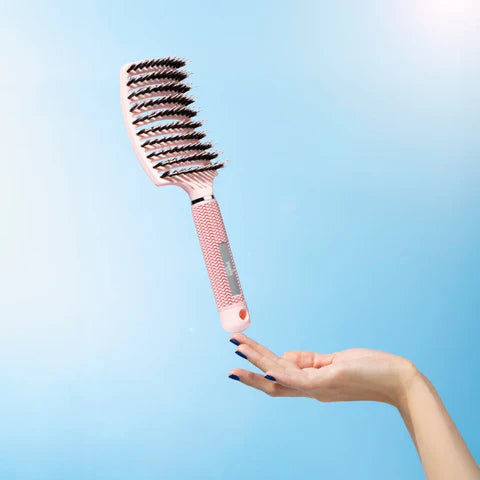
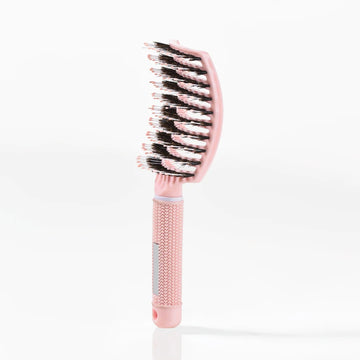
As hair grows longer, tangling becomes more frequent, particularly around the ends, where the hair is older and more prone to dryness and wear. Knots and tangles increase the risk of breakage during detangling, especially if the hair is brushed or combed aggressively. Taking time to detangle gently helps preserve length and reduces unnecessary stress on the hair shaft. Working in small sections, starting from the ends and gradually moving upward, makes the process easier and more controlled. Using fingers or a wide-tooth comb can further minimize pulling and snapping. Consistent, careful detangling habits play an important role in maintaining long, healthy hair over time.
Split ends and everyday wear
Split ends are another common issue that can interfere with length retention. If left unaddressed, splits can travel up the hair shaft and lead to more breakage. Occasional trims, combined with gentle daily care and seasonal routine adjustments, help manage split ends and support continued length retention.
Hair type‑specific considerations
Different hair types have different needs, and these differences can affect how growth, length, and overall condition develop over time. Straight hair often shows length more quickly because it grows downward with minimal shrinkage, making changes easier to notice. Wavy hair may sit somewhere in between, showing gradual length while still benefiting from moisture-focused care to maintain smoothness and manageability.
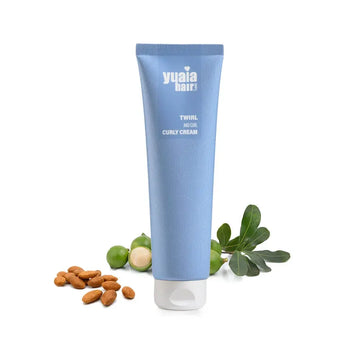
Curly and coily hair typically require more moisture and gentle handling. Natural shrinkage can make length appear shorter even when hair is growing steadily, which can sometimes give the impression of slow growth. These hair types are also more prone to dryness due to the shape of the strands, making regular conditioning and protective styling especially important. Understanding how texture influences appearance, moisture needs, and breakage risk makes it easier to tailor routines, use products effectively, and avoid unnecessary damage, supporting better length retention over time.
Frequently asked questions about waist length hair
What counts as true hair length?
True hair length is typically measured on straightened hair, starting from the scalp and following the length down to the ends. Measuring on dry, detangled hair gives the most consistent result.
Does trimming slow down hair growth?
Trimming does not affect how fast hair grows from the scalp. Regular trims can help prevent split ends from traveling upward, which supports better length retention over time.
How can you tell the difference between slow growth and breakage?
If the roots continue to grow but the overall length stays the same, breakage is often the cause. Uneven ends or excessive shedding along the lengths can also indicate breakage rather than slow growth.
A realistic mindset for the journey
Growing waist-length hair is a long-term process that rewards consistency more than quick fixes. Tracking progress and focusing on overall hair health can make the journey feel more manageable and motivating. The most important part is maintaining habits that support strong, healthy hair over time.


