2-5 day delivery
 100.000+ satisfied customers
 Satisfaction Guarantee











Comparing leave-in and rinse-out conditioners
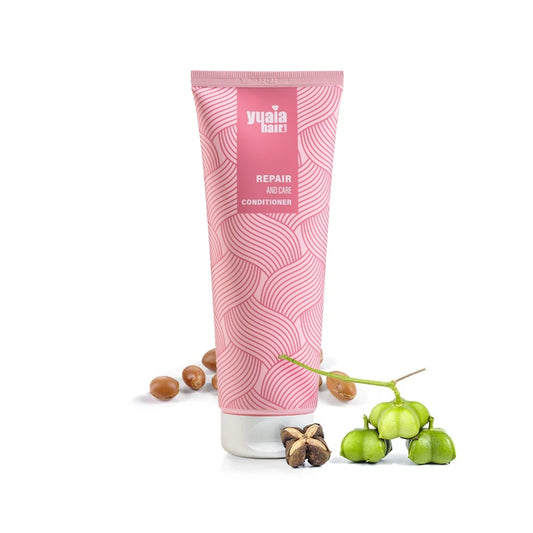
Understanding the differences between leave-in and rinse-out conditioners can help you make informed decisions about incorporating these products into your hair care routine. Rinse-out conditioners are typically applied to wet hair after shampooing and are meant to be rinsed out after a few minutes. They provide immediate hydration and help detangle hair, making it easier to manage post-shower. However, their effects are temporary, so the conditioners may need to be applied more frequently.
On the other hand, leave-in conditioners are designed for long-lasting benefits. Unlike rinse-out conditioners, they continue to work throughout the day, offering continuous moisture and protection. This makes them ideal for both damp and dry hair applications. When used on dry hair, leave-in conditioners can offer a quick fix for dryness and frizz, providing a lightweight barrier that enhances shine and manageability.
Application techniques for dry hair
Applying leave-in conditioner to dry hair requires a slightly different approach than the traditional damp hair method. Here's a step-by-step guide to help you achieve the best results:
- Section your hair: Divide your hair into manageable sections to ensure even distribution of the product.
- Mist evenly: Spray the leave-in conditioner lightly over each section, focusing on the mid-lengths and ends where moisture is most needed.
- Avoid the scalp: Concentrate the product on the hair, avoiding the scalp to prevent any potential buildup or greasiness.
- Use a wide-toothed comb: Gently comb through each section to distribute the product evenly and detangle any knots. Our wide-toothed comb is perfect for this task.
- Blow-dry for a quick refresh: For an instant styling refresh, use a blow dryer on a low heat setting to help set the product and style your hair.

Tailoring application by hair type
Different hair types may require different approaches when applying leave-in conditioner to dry hair. Here's how you can tailor your application:
- Fine hair: Use a small amount of leave-in conditioner and apply sparingly to avoid weighing down the hair. Focus on the ends to maintain volume.
- Oily hair: Concentrate on the mid-lengths and ends, steering clear of the roots to prevent excess oiliness.
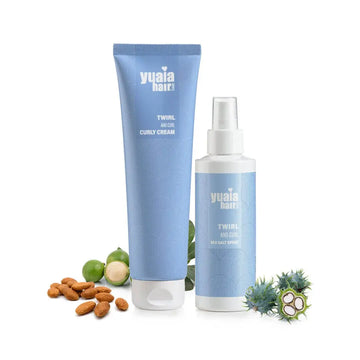
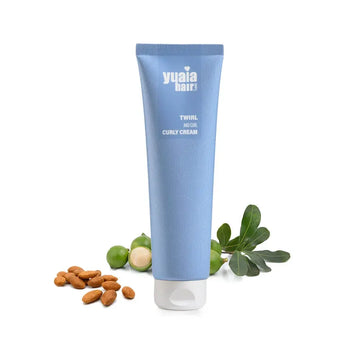
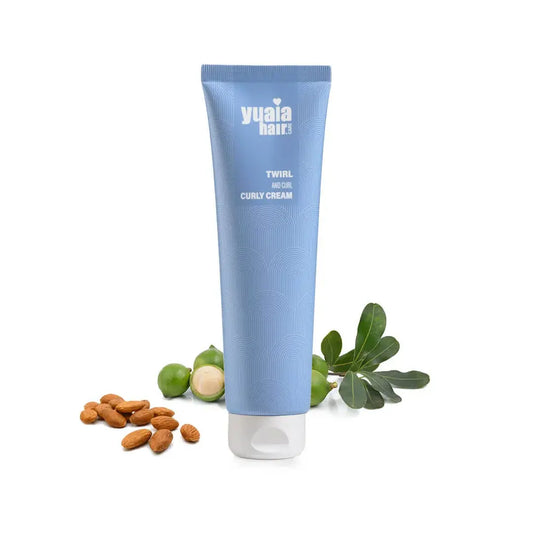
- Curly hair: Generously apply leave-in conditioner to enhance curl definition and reduce frizz. Consider using a product specifically designed for curly hair, like our Twirl and Curl curly cream, to further enhance your curls.
By adjusting your application technique based on your hair type, you can effectively use leave-in conditioner on dry hair to achieve the best results.
Common questions about leave-in conditioner use
How often can I use leave-in conditioner on dry hair?
Leave-in conditioner can be used on dry hair as often as needed, depending on your hair's condition and your styling preferences. For those with dry or damaged hair, daily application can help maintain moisture levels and manageability. However, if your hair tends to be oily, you may want to limit application to every few days to avoid excess buildup.
Will leave-in conditioner weigh down my hair?
Whether or not leave-in conditioner will weigh down your hair largely depends on your hair type and the amount of product used. If you have fine hair, it's best to apply a small amount and focus on the ends to prevent heaviness. For thicker or curly hair, you can use more product to achieve the desired level of moisture and definition without worrying about weight.
Enhancing your hair care routine
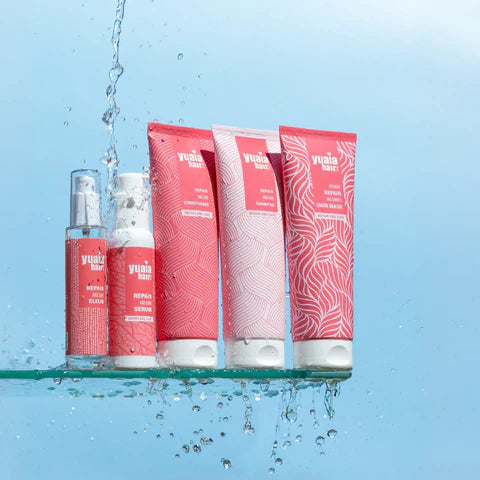
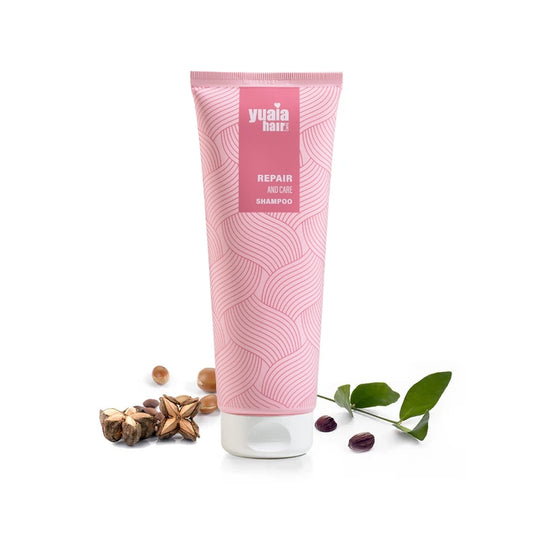
To maximize the benefits of leave-in conditioner, consider integrating it into a comprehensive hair care routine. Using sulfate-free shampoos can help maintain the health of your hair while preventing dryness. At Yuaia Haircare, we offer the Grow and Glow shampoo for fine hair and the Repair and Care shampoo for dry or damaged hair, both of which complement the use of leave-in conditioners.

Scalp and hair shaft: Understanding the difference
When applying leave-in conditioner, it's important to focus on the hair shaft rather than the scalp. The hair shaft benefits from the added moisture and protection, while the scalp produces natural oils that can be disrupted by product buildup. By concentrating on the mid-lengths and ends of your hair, you ensure that the conditioner provides optimal results without affecting the scalp's natural balance.
Frequently asked questions
Can leave-in conditioner replace regular conditioner?
Leave-in conditioner is not meant to replace regular rinse-out conditioner but can be used in conjunction with it.t. Regular conditioner provides immediate hydration and detangling benefits in the shower, while leave-in conditioner offers ongoing moisture and protection throughout the day.
Is leave-in conditioner suitable for all hair types?
Yes, leave-in conditioner is suitable for all hair types, but the application method and amount used should be adjusted based on your specific hair needs. Fine hair requires a lighter application, while curly or thick hair might benefit from more generous use to enhance moisture and definition.