 2-4 day UK delivery
 25.000+ satisfied customers
 Satisfaction Guarantee










Why is my curly hair frizzy? Discover the causes and solutions here

by Nanna Bundgaard | 07. December 2025 | Reading time: 6 minutes
Read more about the authorDealing with frizzy curly hair can be a daily challenge for many, leaving individuals feeling frustrated as they strive for smooth, defined curls. Frizz is a common issue for those with curly hair, and understanding the underlying causes can be the first step in managing it effectively.
What causes frizz in curly hair?
Curly hair is naturally more prone to frizz due to its unique structure and characteristics. One of the primary reasons for frizz is the raised cuticle layer on the hair shaft. When the cuticle is lifted, it allows moisture from the environment to enter and exit the hair easily, causing it to swell and become frizzy. This is exacerbated by the natural dryness of curly hair, as the scalp's natural oils struggle to travel down the twists and turns of curly strands, leaving them thirstier and more susceptible to frizz.
Environmental factors: How humidity and weather impact frizz
Humidity is a significant factor in the frizz equation. In humid conditions, the excess moisture in the air penetrates the hair shaft, causing it to swell and frizz. Similarly, weather variations such as rain or dry air can disrupt the hair's moisture balance, leading to frizz. For instance, rain can increase humidity levels dramatically, while dry air can strip moisture away, both resulting in frizzy hair.
Mechanical and chemical stress: The hidden culprits
Friction from everyday activities can also contribute to frizz. Using rough towels, sleeping on cotton pillowcases, or brushing hair with the wrong type of brush can cause the cuticle to lift, leading to frizz. Chemical damage from heat styling, bleaching, and harsh hair products can further weaken the hair cuticle, making it more prone to frizz. Additionally, product build-up and mineral deposits from hard water can create a barrier that prevents moisture from entering the hair shaft, leading to dryness and frizz.
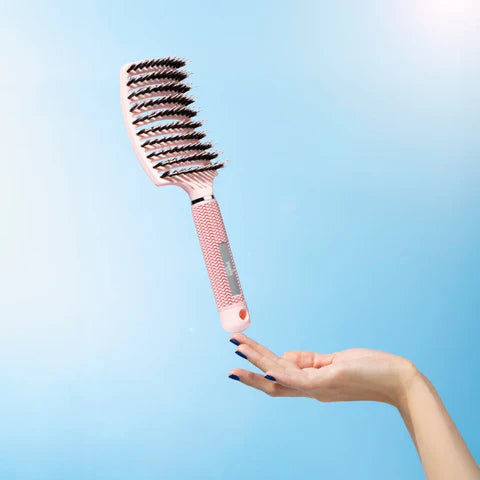
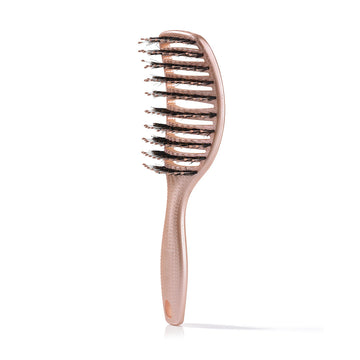
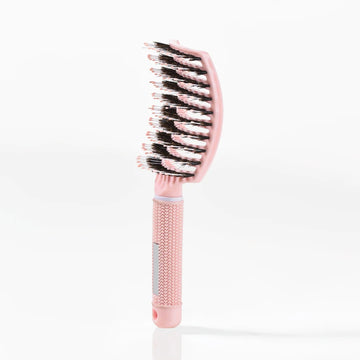
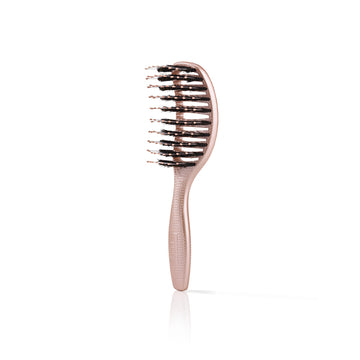
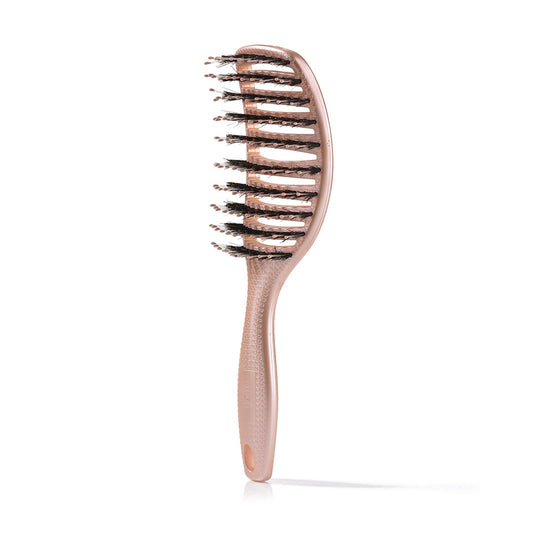
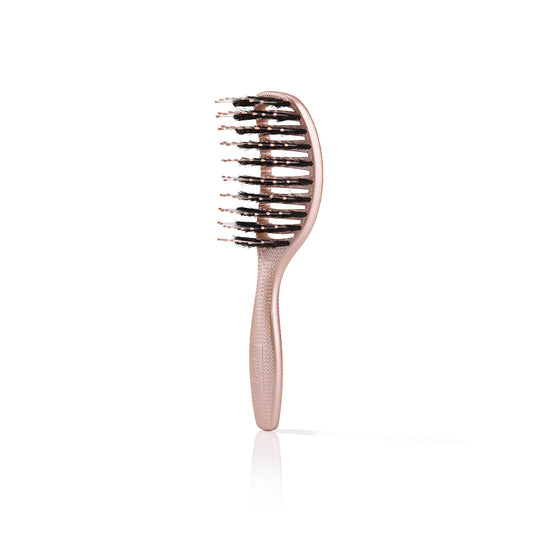
By understanding these factors, you can take steps to manage and reduce frizz effectively. Implementing a hair care routine that focuses on moisture retention, gentle handling, and protection from environmental stressors can make a significant difference. Consider using a Curvy Brush to minimize friction and explore products that offer hydration and protection for your curls.
Mechanical and chemical stress: The hidden culprits
Friction from everyday activities can also contribute to frizz. Using rough towels, sleeping on cotton pillowcases, or brushing hair with the wrong type of brush can cause the cuticle to lift, leading to frizz. Chemical damage from heat styling, bleaching, and harsh hair products can further weaken the hair cuticle, making it more prone to frizz. Additionally, product build-up and mineral deposits from hard water can create a barrier that prevents moisture from entering the hair shaft, leading to dryness and frizz.
By understanding these factors, you can take steps to manage and reduce frizz effectively. Implementing a hair care routine that focuses on moisture retention, gentle handling, and protection from environmental stressors can make a significant difference. Consider using a Curvy Brush to minimize friction and explore products that offer hydration and protection for your curls.
Protein and moisture balance: Finding the right equation
Achieving the right balance between protein and moisture is essential for curly hair. Curly hair requires adequate hydration to maintain its shape and reduce frizz. However, overloading hair with moisture can lead to a lack of protein, causing curls to lose their definition and become frizzy. Conversely, too much protein can make hair stiff and brittle, contributing to frizz.
To find the right balance, observe how your hair responds to different products and adjust your routine accordingly. If your curls feel limp and mushy, they might need more protein. On the other hand, if they are dry and straw-like, consider adding more moisture. Incorporating a balanced hair care routine can help maintain healthy, frizz-free curls.
Routine and technique: The importance of proper care
The way you care for your curls can significantly impact frizz levels. Styling on wet hair is a technique that helps lock in moisture, reducing the likelihood of frizz. When applying styling products, ensure your hair is soaking wet to maximize hydration. This method helps seal the cuticle and create a barrier against humidity.
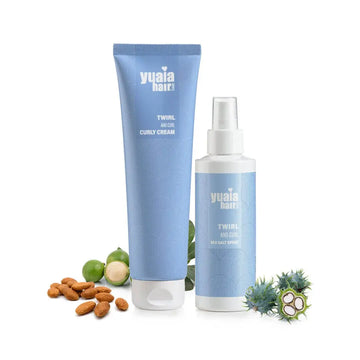
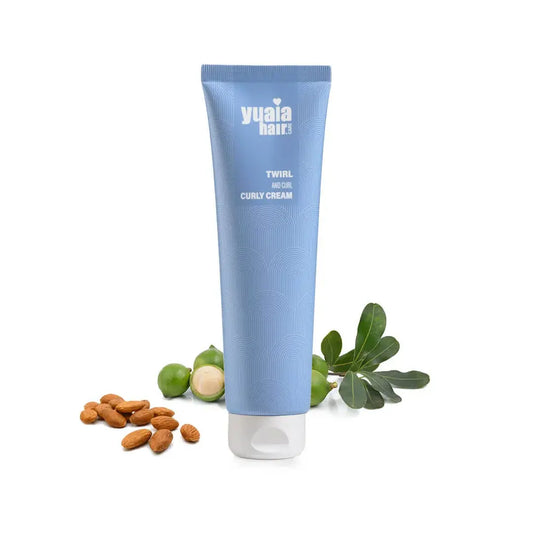
Additionally, minimizing over-manipulation during styling and drying can prevent frizz. Avoid excessive touching or brushing, which can disrupt the curl pattern and lead to frizz. Consider using a product like our Twirl and Curl curly cream to enhance curl definition and reduce frizz. Apply it to wet hair, scrunching it in to encourage curl formation.
By adopting these techniques and understanding the balance between protein and moisture, you can effectively manage frizz and enjoy well-defined curls.
Get a 10% discount code sent to you
Receive the best tips and tricks for your hair from Lotte and Nanna 🥰
Routine examples with Yuaia Haircare
Embracing a structured hair care routine can transform your curly hair from frizzy to fabulous. Here are some examples using our range of products to help you manage frizz effectively.
Minimalist anti-frizz washday
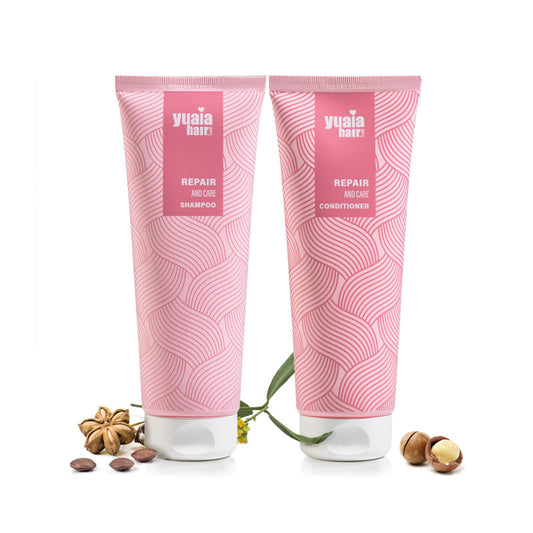
For those who prefer a straightforward approach, start with a sulfate-free shampoo to gently cleanse your curls without stripping away natural oils. Follow with a hydrating conditioner to lock in moisture. This simple yet effective routine can help maintain your hair's natural balance and reduce frizz.
Deep repair day
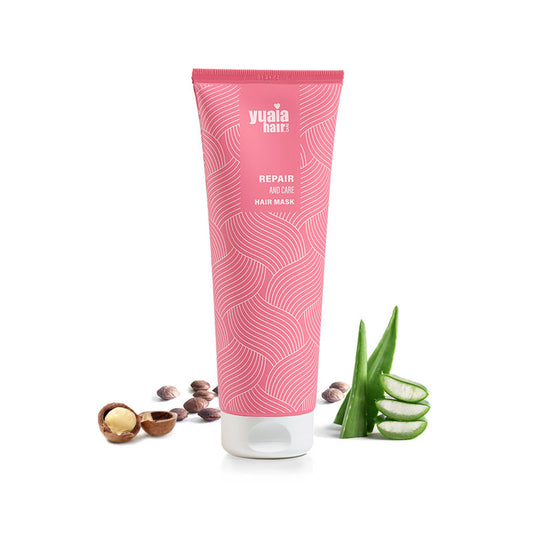
If your curls need some extra love, dedicate a day to deep conditioning. After washing, apply a rich hair mask to infuse your curls with moisture and nutrients. Leave it on for the recommended time, then rinse thoroughly. Finish with a leave-in conditioner to seal in the benefits and protect against environmental stressors.
Quick refresh for halo frizz
When you're short on time but need to tame halo frizz, opt for a quick refresh routine. Lightly mist your hair with water and apply a lightweight styling product to redefine your curls. This will help smooth the frizz and give your curls a fresh, polished look.
Frequently asked questions
Why is my curly hair frizzy even when it’s wet?
Frizz in wet hair can occur due to product build-up or incorrect product application. Ensure you're using the right products for your hair type and applying them evenly to wet hair to maximize hydration and minimize frizz.
Why does only the top layer (halo) frizz?
The top layer of hair is more exposed to environmental elements and friction from sleeping, which can lead to frizz. Protecting your hair with a bamboo pillowcase and using a lightweight serum can help manage this type of frizz.
Can I fix frizz permanently?
While it’s challenging to eliminate frizz permanently, consistent care and the right products can significantly reduce it. Focus on maintaining a balanced routine that addresses your hair's specific needs for the best results.
Get a 10% discount code sent to you
Receive the best tips and tricks for your hair from Lotte and Nanna 🥰


