 2-5 day delivery
 100.000+ satisfied customers
 Satisfaction Guarantee











What is hard water?
Hard water contains relatively high amounts of dissolved calcium and magnesium. Hardness varies with the water supply and may be measured in °dH or mg/L as calcium carbonate. Scale on taps can be a clue, but hair appearance alone cannot tell you your water's hardness.
Buildup and a greasy feel
Minerals can deposit on hair fibres and affect feel and interactions with washing products. Dullness, stiffness, frizz or a coated feel can also come from product residue, too much conditioning or wear. A greasy feel does not itself prove that hard water increases scalp sebum production.
Breakage is not the same as hair loss
Laboratory studies have found different results for hard water's effect on hair-fibre strength. Findings depend partly on hardness, exposure and hair condition. They do not establish that hard water generally causes hair loss from the follicle. Breakage happens along the strand; increased shedding or visible thinning needs separate assessment. Seek professional advice for persistent hair loss or scalp symptoms.
1. Check the water before changing everything
Look up your local supplier's data or use a test designed for water hardness. Note changes in shampoo, conditioning amounts, colouring and washing technique too. Compare under similar conditions and change one thing at a time; a good hair day after travelling does not prove the cause.
2. Match cleansing to the deposit
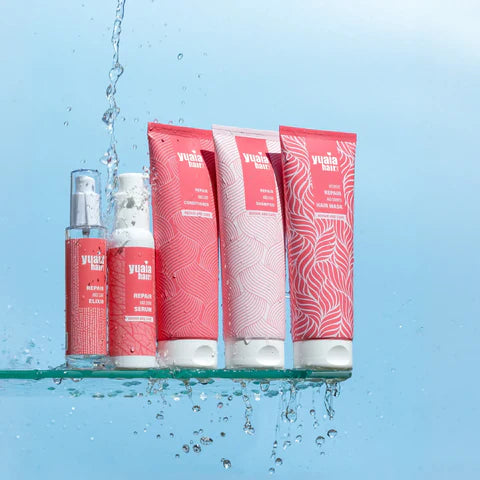
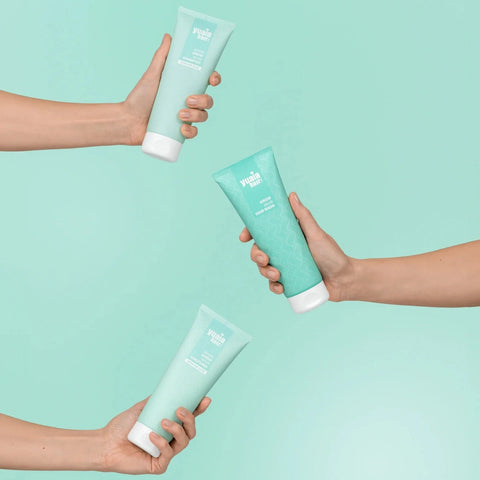
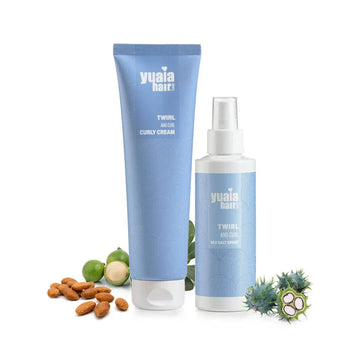
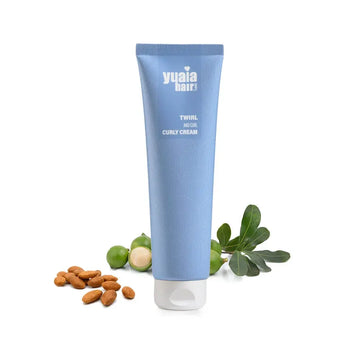
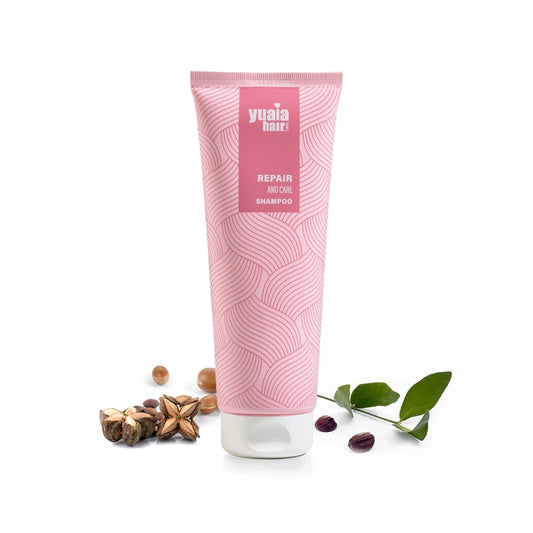
Ordinary shampoo removes dirt and oil but is not automatically intended to remove mineral deposits. If you suspect mineral buildup, a product expressly designed for that purpose may be appropriate as directed. Clarifying and mineral removal are not always the same function. Sulphate-free does not establish mineral-removing performance either. The products below are ordinary washing and conditioning options, not demonstrated hard-water treatments.

3. Condition lengths and limit extra wear
Rinse thoroughly, use conditioner on the lengths as directed and gently detangle from the ends. Adjust masks and leave-ins if hair feels heavy or coated. Limit unnecessary heat and rough handling of fragile or bleached hair. Conditioning can improve softness and manageability but cannot permanently repair split ends.
4. Shower filters and softening serve different purposes
A filter that reduces chlorine or particles is not automatically a water softener. A softener is intended to reduce hardness minerals, typically calcium and magnesium. Check specific documentation, capacity and maintenance rather than buying on hair promises alone. A system does not guarantee a particular hair result.
Questions about hard water
Can vinegar or lemon remove scale from hair?
Acidic home remedies can irritate skin and affect hair, especially at an unknown strength. Do not treat them as a universal solution. Prefer a hair product with a clear purpose and directions, and avoid acids on broken or irritated scalp skin.
Should I wash more often or use more shampoo?
Not necessarily. Match washing to your scalp's needs and follow the instructions. Extra shampoo and frequent strong cleansing can worsen results if the issue is dryness or too much conditioning instead.
Read also
Sources: CDC · Srinivasan et al., 2013 · Luqman et al., 2018.


