 2-5 day delivery
 100.000+ satisfied customers
 Satisfaction Guarantee










How hair type affects changes in texture with age
As we age, our hair type plays a significant role in how texture changes manifest. Each hair type responds differently to the natural aging processes, and understanding these differences can help in adapting your hair care routine effectively.
Straight hair (Type 1)
Straight hair often experiences subtle changes with age, becoming slightly curlier and drier. This is primarily due to reduced sebum production, which affects the hair's natural shine and smoothness. To combat dryness, incorporating moisturizing products into your routine is essential. Using a rosemary hair oil can help restore moisture and add a healthy shine to aging straight hair.

Wavy and curly hair (Type 2-3)
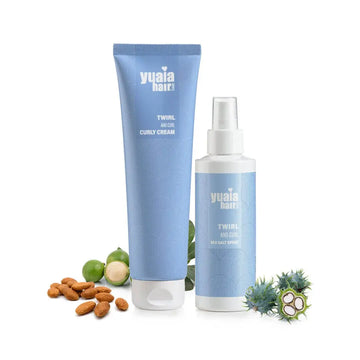
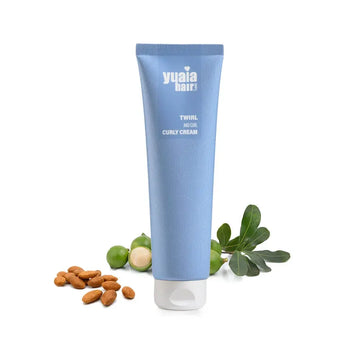
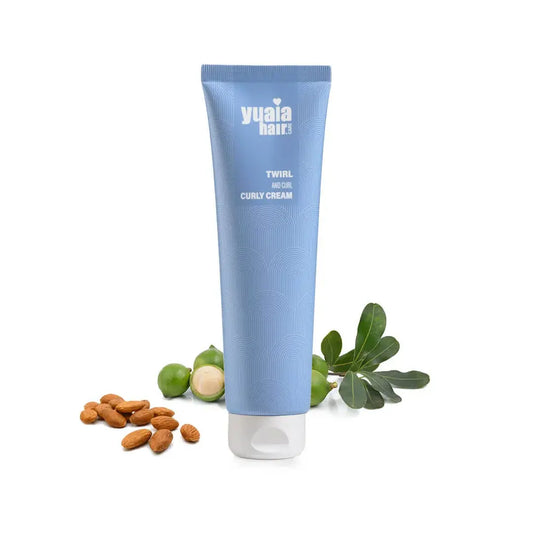
Wavy and curly hair tends to become looser and frizzier over time. The natural curl pattern can change due to hormonal shifts and environmental factors, leading to increased frizz and a less defined curl. To maintain curl definition, it's crucial to use products that enhance and support curls. Our Twirl and Curl curly cream is designed specifically for curly hair, offering moisture and control to keep curls looking vibrant.
Coily hair (Type 4)
Coily hair faces unique challenges as it ages, often becoming drier and more prone to breakage. The tight coil structure makes it difficult for natural oils to travel down the hair shaft, leading to increased dryness. Regular deep conditioning treatments and protective styles can help retain moisture and reduce breakage. Ensuring your hair care routine includes products that provide intense hydration will be beneficial in managing these changes.
Adapting your hair care routine to age-related changes
As your hair texture changes with age, adapting your hair care routine is essential to maintaining healthy hair. Here are some strategies to consider:
- Moisturizing and hydration: Using sulfate-free shampoos and conditioners can help maintain moisture levels in your hair. These products are gentle on aging hair, preventing further dryness and coarseness.
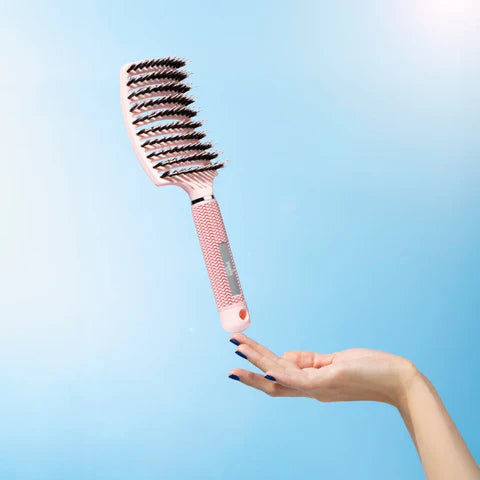
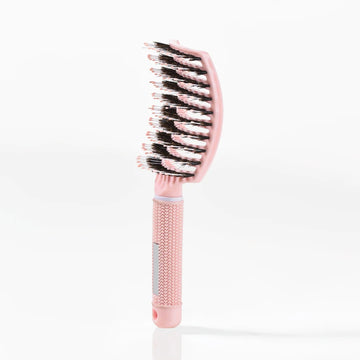
- Brushing and detangling: Gentle brushing is crucial for managing changing textures. Our Curvy Brush is perfect for this task, as it helps distribute natural oils and reduces breakage.
- Protective styling and heat protection: Incorporating protective styles can minimize damage, while a heat protectant spray can shield your hair from the stress of styling tools.

£21.99
These adaptations not only help in managing the changes but also ensure your hair remains healthy and vibrant as it continues to evolve with age.
Tips for embracing your evolving hair texture
As your hair texture changes with age, embracing these changes can lead to a more fulfilling hair care journey. Here are some tips to help you adapt and appreciate your evolving hair:
- Acceptance and adaptation: Recognize that changes in hair texture are a natural part of aging. Embrace these changes by adapting your hairstyle and products to highlight your hair's unique beauty.
- Experiment with styles: Use this opportunity to try new hairstyles that complement your changing texture. Whether it's a chic bob for finer hair or layered cuts for added volume, experimenting can lead to exciting discoveries.
- Enhance natural beauty: Use products that enhance your hair's natural texture. For instance, if your hair is becoming drier, consider incorporating nourishing oils like our rosemary hair oil to add moisture and shine.
Additional care tips for aging hair
Maintaining healthy hair as it ages requires some additional care strategies. Here are a few tips:
- Regular trims: Keeping up with regular trims can help manage split ends and maintain the overall health of your hair, preventing breakage and promoting a polished look.
- Hydration boost: Ensure your hair care routine includes deep conditioning treatments to provide an extra boost of hydration, especially for hair that is prone to dryness.
- Gentle handling: Be mindful of how you handle your hair. Use a soft, microfiber towel to gently dry your hair and minimize friction that can lead to damage.

Frequently asked questions
Why does my hair feel different as I age?
As you age, natural processes such as hormonal changes and reduced sebum production can alter your hair's texture, making it feel different. These changes are a normal part of aging and can affect the thickness, moisture level, and curl pattern of your hair.
Can I reverse hair texture changes?
While it's not possible to reverse the natural changes in hair texture that come with age, you can optimize your hair care routine to manage these changes effectively. Using products designed for your evolving hair type and embracing new styles can help you adapt beautifully.


