 2-4 day UK delivery
 25.000+ satisfied customers
 Satisfaction Guarantee









Exploring the causes of post-wash dryness
Experiencing dry hair after washing can be perplexing, especially when you're diligent about your hair care routine. Several factors can contribute to this issue, and understanding them can help you make informed choices to maintain your hair's moisture balance.
Over-washing and harsh products
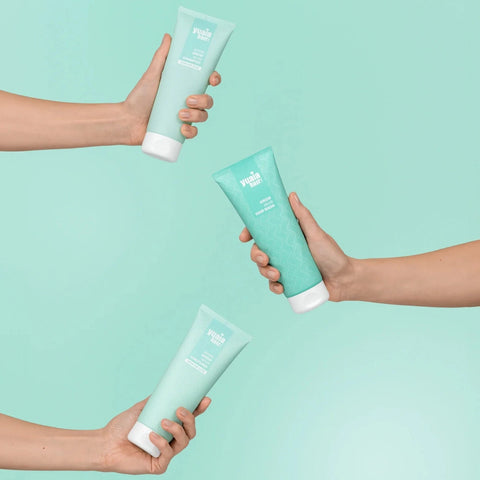
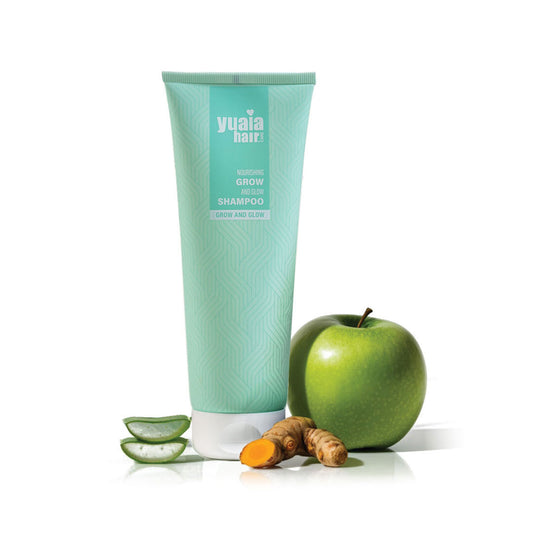
Frequent washing, especially with sulfate-containing shampoos, can strip your hair of its natural oils. These oils are essential for maintaining moisture and protecting the hair from environmental damage. Switching to a sulfate-free shampoo can make a significant difference. Our Grow and Glow Shampoo is a gentle option that cleanses without compromising moisture, helping to keep your hair hydrated.
Incorrect washing techniques
The way you wash your hair can impact its moisture retention. Vigorous scrubbing or using circular motions can roughen the hair cuticles, leading to moisture loss and increased dryness. Instead, try using gentle, downward strokes to encourage the cuticles to lay flat, which helps lock in moisture and reduces the risk of breakage.
Heat damage and overwashing cycle
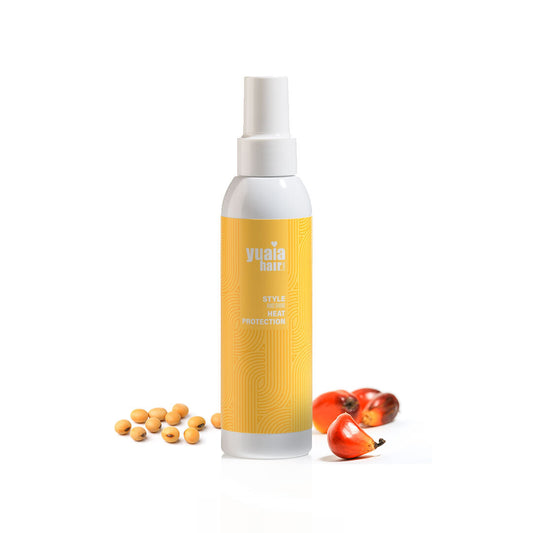
Excessive use of heat styling tools like blow dryers and straighteners can exacerbate hair dryness. This is particularly true if you wash your hair frequently, as wet hair is more susceptible to damage. Protecting your hair with a heat protectant spray before styling can help minimize damage and maintain your hair's health.
Hard water mineral buildup
Hard water, which contains high levels of minerals such as calcium and magnesium, can leave a residue on your hair. This buildup can make your hair feel dry and sticky, even after washing. Installing a water softener or using a clarifying shampoo occasionally can help mitigate the effects of hard water, allowing your hair to feel soft and manageable.
Product buildup and formulation
Using products with ingredients like silicones and polymers can lead to buildup on the hair, creating a waxy and brittle feel. Opting for silicone-free products can help prevent this issue. Our product line offers options that are free from silicones, providing a clean rinse that leaves your hair feeling fresh and light.
Effective solutions and methods to combat dryness
Adopting better washing practices
Improving your washing techniques can significantly impact your hair's moisture levels. Use gentle, downward strokes when washing and ensure you rinse thoroughly to avoid leaving any residue. This simple change can help maintain your hair's natural moisture and reduce dryness.
Incorporating gentle, nourishing products
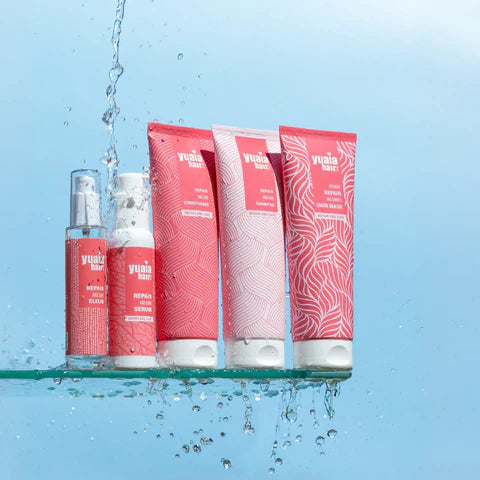
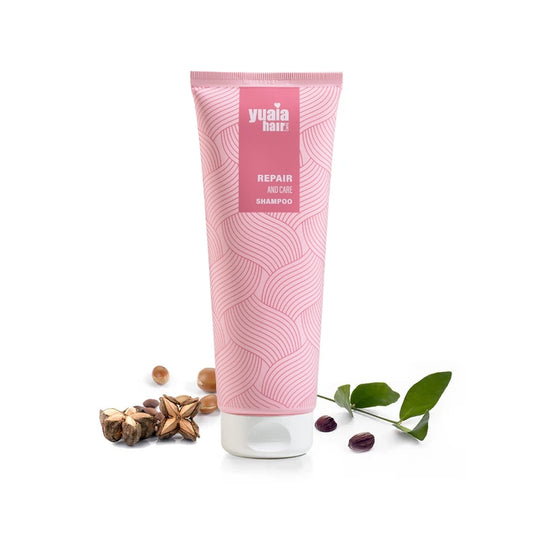
Choosing products that nourish without weighing down your hair is key. Our Repair and Care line offers silicone-free options that help prevent buildup and keep your hair looking and feeling healthy.
Optimizing conditioning techniques
When applying conditioner, focus on the mid-lengths and ends of your hair. This application method ensures that your roots are not weighed down, while the more vulnerable parts of your hair receive the moisture they need.
Utilizing microfiber towels
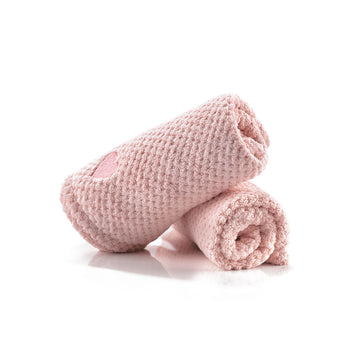
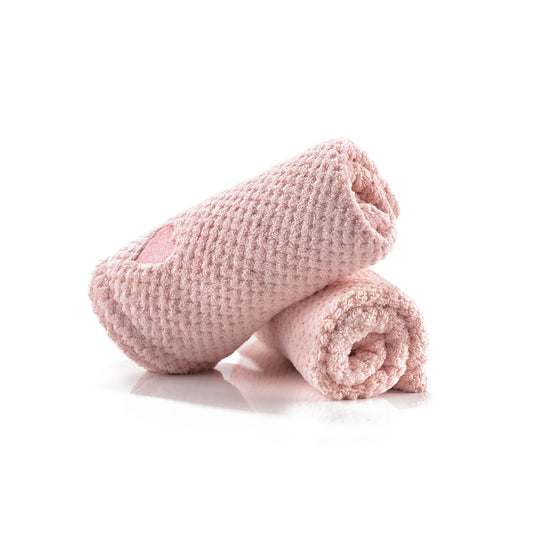
After washing, gently pat your hair dry with a microfiber towel. This reduces friction and damage compared to traditional towels, helping to maintain your hair's moisture and minimize breakage.
Additional tips for maintaining healthy, moisturized hair
Brushing techniques for healthier hair
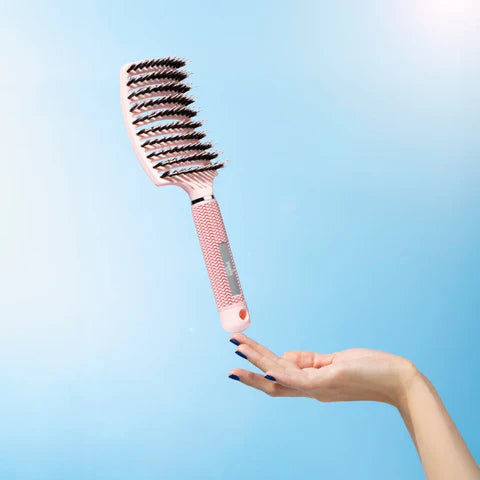
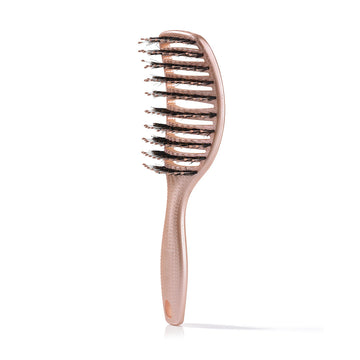
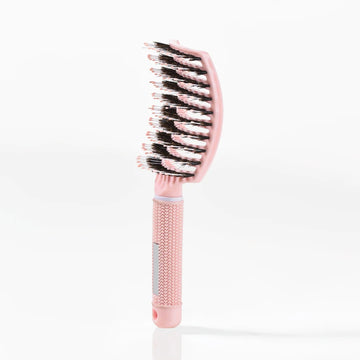
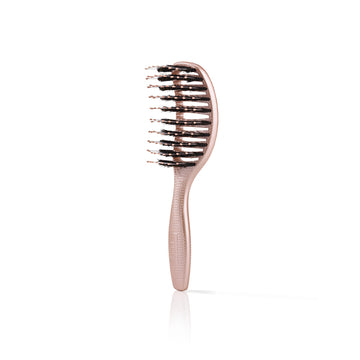
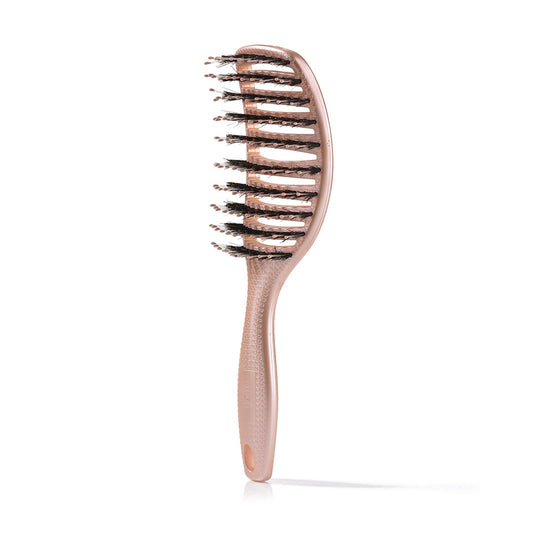
Using the right brush can make a significant difference in maintaining your hair's natural oils. A boar bristle brush, such as our Curvy Brush, helps distribute these oils from the scalp to the ends, reducing tangles and adding shine. Regular brushing with this type of brush can enhance your hair's moisture retention and overall health.
Understanding hair porosity
Hair porosity plays a crucial role in how your hair absorbs and retains moisture. Low porosity hair may struggle to absorb moisture, while high porosity hair might lose moisture quickly. Understanding your hair's porosity can guide you in selecting products that best suit your hair type, ensuring it stays hydrated and healthy.
Managing stress and hormonal factors
While often overlooked, stress and hormonal changes can impact your hair's moisture levels. Managing stress through relaxation techniques and maintaining a balanced lifestyle can help mitigate these effects, contributing to healthier hair.
Frequently asked questions
Why does my hair feel dry even after conditioning?
There are several reasons why your hair might feel dry after conditioning, including product buildup or incorrect application. It's important to ensure that you are using the right amount of conditioner and applying it mainly to the mid-lengths and ends. Using a sulfate-free shampoo can also help by providing a thorough cleanse without stripping away necessary moisture.
Can water quality affect hair texture?
Yes, water quality can significantly impact your hair's texture. Hard water, which contains high levels of minerals, can leave a residue on your hair, making it feel dry and sticky. Installing a water softener or using a clarifying shampoo occasionally can help address this issue.
How can I protect my hair from heat damage?
To protect your hair from heat damage, it's essential to use a heat protectant spray before styling. Minimizing the use of hot tools and allowing your hair to air dry whenever possible can also help maintain your hair's health and moisture levels.


