 2-5 day delivery
 100.000+ satisfied customers
 Satisfaction Guarantee











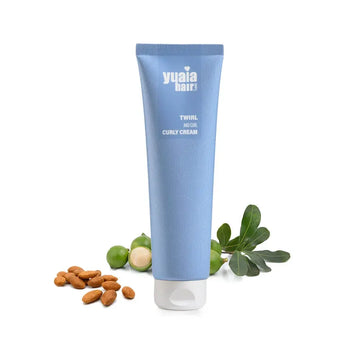




What is co-washing?
A co-wash or cleansing conditioner combines cleansing with conditioning. It may lather less than shampoo, but foam alone does not tell you how effectively a product cleans. Follow the directions for the individual formula rather than treating every conditioner as a wash product.
The aim is a comfortable wash routine that leaves the scalp clean and the lengths manageable. Co-washing does not repair existing damage, treat dandruff or guarantee defined curls.
Can you co-wash with any conditioner?
Not every conditioner is suitable. Look for a product described as a cleansing conditioner or co-wash, with directions for cleansing the scalp. A rinse-out conditioner mainly conditions the hair; being silicone-free or sulphate-free does not by itself make it an effective cleanser.
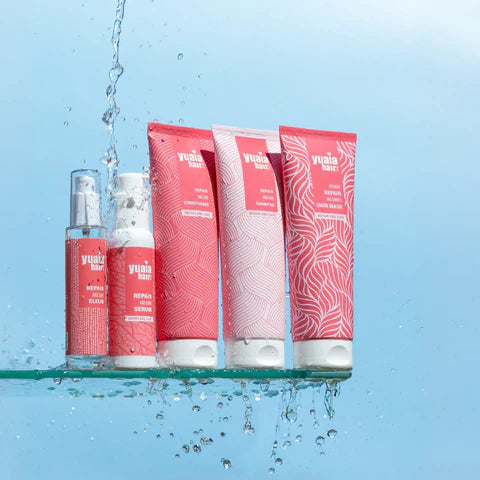
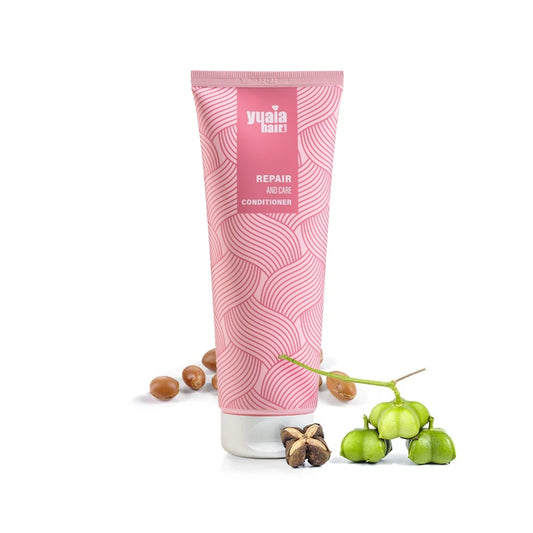
Our Repair & Care Conditioner is presented as a conditioner. Use it according to its directions for conditioning the lengths. The same distinction applies to the conditioners shown below: do not assume they are dedicated co-wash cleansers.

How to co-wash your hair: five steps
- Wet thoroughly. Make sure water reaches your scalp as well as the lengths.
- Apply your co-wash. Use the amount and placement recommended on the packaging.
- Massage gently. Work over the scalp with your fingertips, without scratching with your nails.
- Rinse carefully. Follow any stated contact time. There is no universal requirement to leave every co-wash on for two or three minutes.
- Finish as needed. Gently blot excess water, then condition or style according to the product instructions and your hair’s needs.
Check how your roots feel after drying. If your scalp still feels oily or coated, do not keep adding conditioner; choose a cleanser that removes the residue.

Who might co-washing suit?
People with dry lengths or curly and coily hair may enjoy a conditioning wash. Others prefer shampoo followed by conditioner. Wavy hair can also try co-washing, but fine waves may feel weighed down by a rich formula.
Hair texture is only part of the decision. Scalp oiliness, exercise and the amount of styling product you use also affect how much cleansing you need. Try a small change to your routine and evaluate the result rather than assuming co-wash is right for everyone.
Conditioning after shampoo is another option
If a conditioning wash does not suit your roots, use a suitable shampoo and apply conditioner mainly to the lengths and ends. The conditioners below are options for that conditioning step, used according to their instructions.
Who should be cautious with co-washing?
If your hair is very fine, easily weighed down or oily at the roots, co-washing may leave it feeling heavy. You may prefer a lighter conditioner and more effective scalp cleansing.
Do not use co-wash as a treatment for an itchy scalp or dandruff. Stop using a product that irritates you. Persistent itching, redness or flaking deserves advice from a healthcare professional.

How often should you co-wash?
There is no schedule that suits everyone. Wash according to scalp oiliness, sweat and residue, and adjust the choice of cleanser as needed. You can try co-washing on an occasional wash day while keeping shampoo available.
If your hair feels sticky, coated or dull, check the amount of product and whether your cleanser removes it effectively. Your scalp does not need to go through an oily or itchy “detox” phase. Use ordinary conditioner for the lengths when needed, rather than increasing conditioner washing automatically.
Does co-wash replace shampoo?
Not necessarily. Some routines alternate co-wash with shampoo; others work better with shampoo every wash day. The whole routine must still remove oil, dirt and styling residue. Choose a suitable shampoo when you need more effective cleansing and follow it with conditioner if needed.
How to choose a co-wash product
- Check that the product is intended to cleanse, with clear application instructions.
- Choose a texture that does not leave your hair heavy or sticky.
- Consider the whole formula and your scalp’s response, rather than relying on one ingredient claim.
- If you follow a specific Curly Girl routine, check its ingredient preferences separately from the product’s cleansing ability.
Silicones, sulphates and parabens are not automatically harmful in every formula. A “free-from” label does not guarantee suitability or effective cleansing.

Do you need extra conditioner, oil or styling products?
Follow your cleanser’s directions. Extra conditioner or leave-in is optional if your lengths need it. Use a small amount of styling product and adjust as you go; you do not need to layer several products or add oil at every wash.
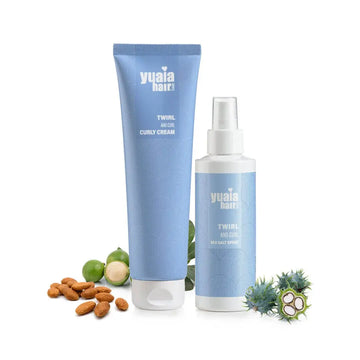
The styling products below belong to the finishing step. They do not replace scalp cleansing.

Co-wash vs low-poo shampoo
Co-wash: a conditioner-based cleanser, chosen for both washing and conditioning.
Low-poo: a term often used for a gentler shampoo, frequently sulphate-free in Curly Girl routines. Cleansing strength still depends on the full formula.
See our low-poo shampoos if you want to keep a shampoo option in your routine. Check the instructions for each product.
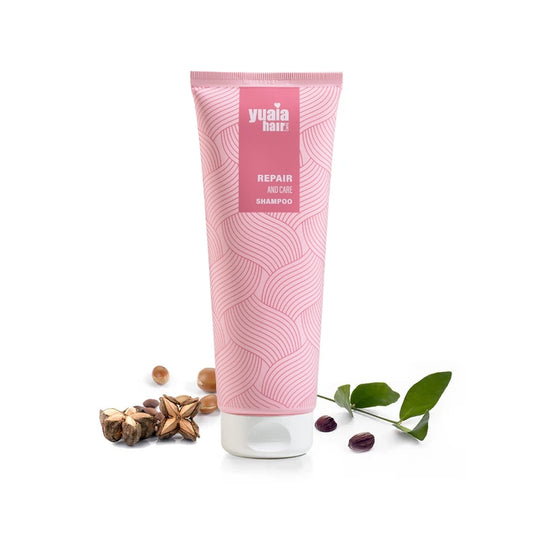
You can condition after shampoo or choose a dedicated co-wash on suitable wash days. The conditioner products below are for the care step; they are not automatically interchangeable with a cleansing conditioner.

A simple way to start
Choose a cleanser intended for the job, use it as directed and check that your scalp feels clean and comfortable. Keep the conditioning and styling steps that help your hair, and change the routine if it feels heavy, coated or irritating.
Can conditioner be used without shampoo?
A cleansing conditioner intended for co-washing can be used on its own if it leaves your hair and scalp clean. Ordinary rinse-out conditioner can be applied to the lengths without shampoo as a conditioning step, but that does not make it a substitute for cleansing. If oil, sweat or styling residue remains, use a suitable shampoo rather than adding more conditioner.
Can you leave co-wash in your hair?
Rinse out a co-wash product as directed. A rinse-out conditioner should also be rinsed out; use a separate leave-in product if you want care that stays in the hair.


