Step 3: Apply shampoo to the scalp
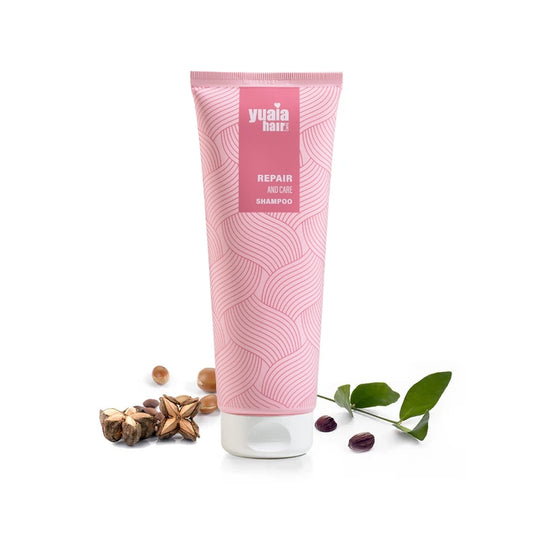
Shampoo is primarily made to clean the scalp rather than the hair lengths. Place a small amount of shampoo in your palms and gently massage it into the scalp.
Focus on the roots and the areas where oil and buildup are most likely to accumulate.
Avoid applying large amounts of shampoo directly to the ends of the hair, as this can cause unnecessary dryness.
Step 4: Massage the scalp gently
Using your fingertips, massage the scalp with small circular movements. This step helps distribute shampoo evenly and loosens dirt, oil, and product residue.
Gentle scalp massage also increases circulation, which supports a healthy scalp environment.
Avoid using your nails or scrubbing aggressively, as this can irritate the scalp.
Step 5: Rinse thoroughly
Rinse your hair thoroughly with lukewarm water until all shampoo is removed. Incomplete rinsing can leave behind residue that makes hair feel heavy or dull.
Allow the shampoo to run through the hair lengths as it rinses out. This is usually enough to cleanse the rest of the hair without needing additional shampoo.
Step 6: Apply conditioner to the lengths
After shampooing, apply conditioner to the mid-lengths and ends of the hair. These areas tend to be drier because natural oils from the scalp do not reach them as easily.
Avoid applying conditioner directly to the scalp unless the product is specifically made for this area.
Step 7: Let the conditioner work for a few minutes
Allow the conditioner to sit in the hair for a few minutes. This gives the ingredients time to hydrate and smooth the hair cuticle.
During this time, you can gently detangle the hair with your fingers or a wide-toothed comb.
Step 8: Rinse with cooler water
Rinse the conditioner out of your hair with lukewarm or slightly cooler water. Cooler water helps smooth the hair cuticle, which can improve shine and reduce frizz.
Make sure all conditioner is rinsed out to avoid buildup.

Step 9: Dry your hair gently
After washing, gently squeeze excess water from the hair rather than twisting or wringing it.
Wrap the hair in a microfiber towel or gently blot it to remove moisture. Avoid rubbing the hair with a regular towel, as this can create friction and cause frizz or breakage.
The ideal shampoo and conditioner routine
A simple shampoo and conditioner routine helps maintain consistent hair health without overcomplicating your hair care.
Most routines follow a straightforward order:
- shampoo to cleanse the scalp
- conditioner to hydrate and protect the hair lengths
Shampoo removes oil, dirt, and buildup from the scalp. Conditioner then helps restore moisture, smooth the hair cuticle, and improve manageability.
Some people benefit from double shampooing. This means applying shampoo twice during the same wash. The first cleanse removes surface buildup, while the second cleanse focuses more deeply on the scalp.
Double shampooing can be useful if:
- you use many styling products
- your scalp becomes oily quickly
- you wash your hair less frequently
However, it is not necessary for everyone.
Common mistakes when washing your hair
Even small mistakes during washing can affect the condition of the hair over time. Because washing is something most people do frequently, small habits can gradually influence how the hair looks, feels, and behaves.
One common mistake is using very hot water. Hot water can strip away natural oils and make the scalp feel dry or irritated. Over time, frequent exposure to high temperatures may also leave the hair looking dull or feeling rough.
Another mistake is using too much shampoo. Excess product can be difficult to rinse out completely and may leave behind residue. This buildup can make the hair feel heavy and may cause the scalp to feel greasy again more quickly.
Scrubbing the hair aggressively is also something to avoid. Hair is more fragile when wet, and rough handling can cause breakage. Instead of scrubbing the lengths, focus on gently cleansing the scalp and allowing the shampoo to flow through the hair while rinsing.
Applying shampoo directly to the hair lengths is another habit that can lead to dryness. The ends of the hair are typically the oldest and most delicate part of the strand, so strong cleansing in that area can remove too much moisture.
Skipping conditioner is another frequent issue. Conditioner has an important role in restoring moisture and protecting the hair lengths. Without it, hair may become harder to detangle and more prone to frizz or breakage over time.
Extra tips for healthier hair after washing
What you do after washing your hair also affects its condition. Gentle handling while the hair is wet can help reduce breakage and frizz.
Using a microfiber towel helps absorb moisture without creating as much friction as a regular towel. Instead of rubbing the hair, gently blot it to remove excess water.
Avoid brushing the hair aggressively while it is wet, since wet hair stretches more easily and can break. If detangling is needed, start at the ends and work upward with a wide-toothed comb.
If you use heat tools such as blow dryers or straighteners, applying a heat protection product can help reduce damage. Allowing the hair to air dry slightly before heat styling can also help minimize stress on the hair.
Occasionally using a clarifying shampoo may help remove buildup from styling products or minerals in hard water. These shampoos should only be used from time to time so the hair does not become overly dry.
A simple routine for healthier hair
Learning how to wash your hair properly is one of the simplest ways to improve overall hair health. By focusing on the scalp during cleansing, conditioning the lengths, and using gentle techniques, it is possible to keep hair clean without causing unnecessary dryness or damage.
A consistent shampoo and conditioner routine does not need to be complicated. Small improvements in washing habits can gradually lead to stronger, smoother, and healthier hair.