 2-5 day delivery
 100.000+ satisfied customers
 Free delivery over £49










What does research show?
A laboratory study of hair fibres found reduced protein loss with coconut oil before and after washing under the conditions tested. This does not demonstrate faster growth or repair of every type of damage. Oil does not add water, and shine or a smoother feel is not permanent repair of split ends.
Choose plain oil or a formulated hair product
Pure coconut oil and a cosmetic formula containing it are not necessarily used in the same way. For a simple trial, consider a plain product without fragrance or essential oils. Use only products you tolerate and follow formulated hair care directions. Organic or cold-pressed does not guarantee a better result for your hair.
1. Start with a little on the lengths
Spread a small amount between your palms and work through lengths and ends. Solid oil can soften in your hands; it does not need to be hot. Be particularly sparing on fine hair. Try before a planned wash and increase only if your hair benefits. It does not need to be saturated with oil.

2. Wash out and finish as needed
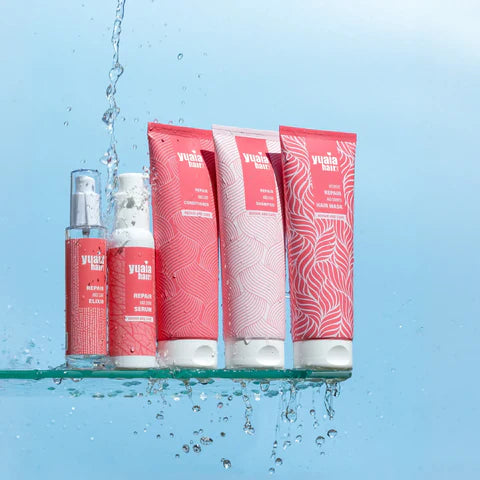
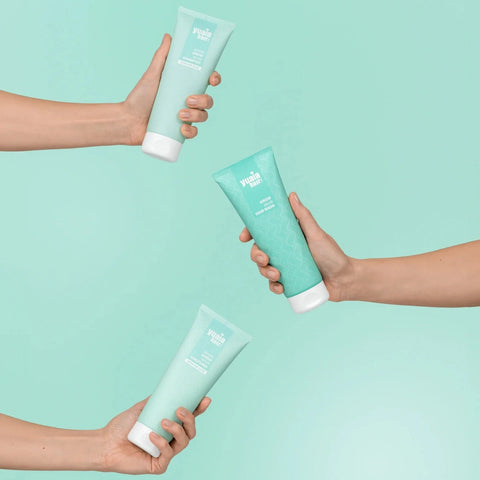
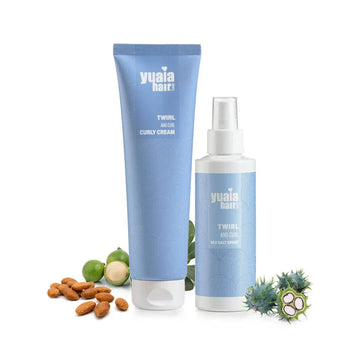
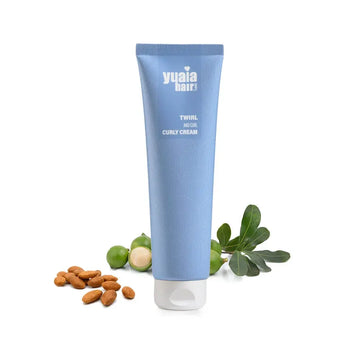
Wet hair, apply shampoo gently and rinse thoroughly. A second wash may be needed if residue remains; use less oil next time. Avoid rough rubbing and repeated strong cleansing as a routine. Use suitable conditioner on the lengths. The shampoo and conditioner sets below are ordinary washing and care options, not specialist coconut-oil removal treatments.


3. Adapt frequency to your hair's response
There is no documented optimum amount or frequency for everyone. Dry, coarse and fine hair can respond differently. Reduce or pause if lengths become heavy, stiff, greasy or hard to clean. Coconut oil does not necessarily suit every curl pattern or porosity. Change one thing at a time rather than layering on more care.
4. Be careful with the scalp
You do not need to oil the scalp to condition lengths. Stop if itching, burning or rash develops and watch for discomfort around the hairline. Seek advice for persistent dandruff, redness, sores or hair loss. Coconut oil should not replace suitable dandruff treatment or be presented as a promise to restart hair growth.
5. Oil treatments and conditioner have different roles
Coconut oil alone is not a complete conditioner or mask. A formulated treatment may combine ingredients for softness and easier detangling. Choose by need and directions. Do not add water, fresh aloe or food mixtures to a product bottle, as this changes the formula and may affect shelf life.
Coconut oil for high porosity hair
Porosity describes how hair fibres take up and release water. Hair worn by bleaching or heat, for example, can have a more damaged surface. This does not make coconut oil automatically the right choice. Try a little on the lengths and assess softness, manageability and washing it out. Oil does not restore the original hair structure or guarantee colour retention.
Coconut oil for low porosity hair
Low porosity is not in itself a reason to rule out coconut oil. If hair easily feels coated or flat, try a small amount before washing instead of adding layers as a finishing oil. Always follow formulated product instructions. If the lengths feel heavy, greasy or stiff, use less or skip it; you do not need to make the oil work at any cost.
Try one change at a time
Start on a small section of the lengths before a planned wash. Use a modest amount, wash it out and compare with your usual routine. Assess how the hair feels after drying too. A fixed rule of one or two treatments a week does not suit everyone. There is no need to heat the oil or leave it on longer to compensate for a poor result.
A water test and stiff hair do not tell the whole story
Do not let a single test with a strand in a glass of water determine your entire routine. Consider hair condition, past treatments and responses to products too. Coconut oil is oil, not a protein treatment; a stiff feel is not in itself proof of protein overload. More oil or additional layers are therefore not a necessary next step.
Alternatives and the rest of your routine
If coconut oil feels too heavy, a product with a lighter finish may be easier to dose. The whole formula and amount matter more than the name of one oil. Use suitable conditioner and a leave-in if needed. Layering water, oil and cream is not compulsory, and you do not need to mix coconut oil into finished products to make a workable routine.
Products for care and styling
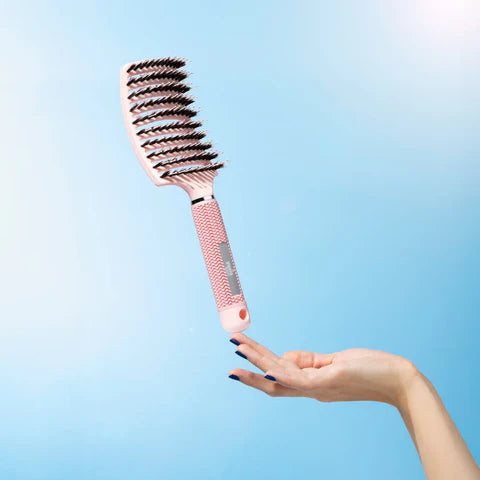
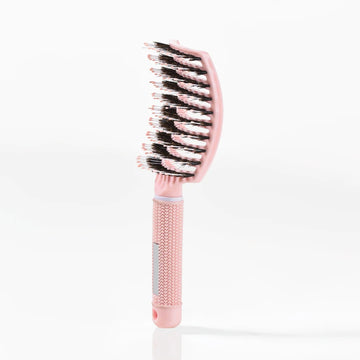
The products below have different purposes and are not all coconut oil products. Choose only the steps you need and follow each product's directions. Dry shampoo does not replace washing and is not a treatment for washing coconut oil out.
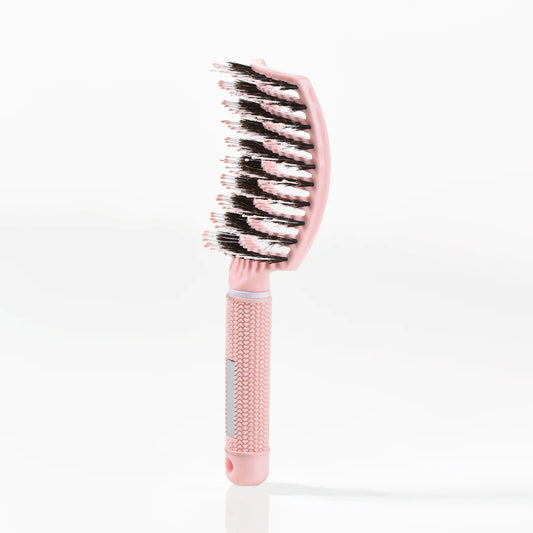
£18.99


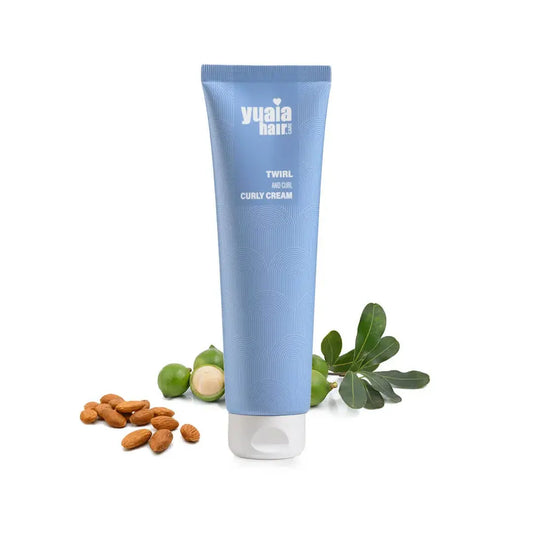


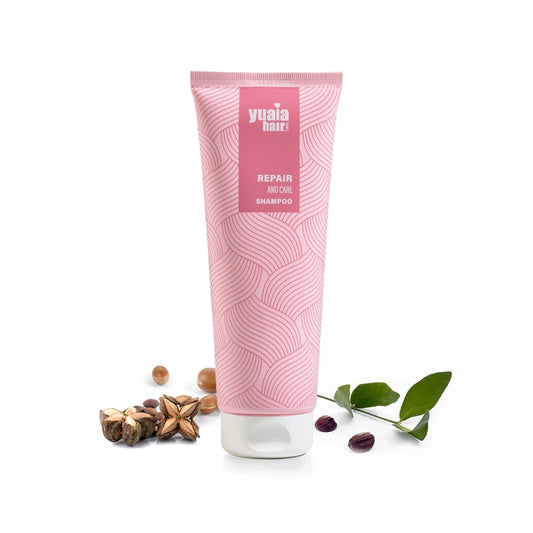
Questions about coconut oil treatments
Does coconut oil need to stay in overnight?
No. A whole night alone does not justify a promise of better results. Start with a treatment you can wash out the same day and always follow formulated product instructions. More oil and longer contact are not automatically better.
Can coconut oil provide sun or heat protection?
Ordinary coconut oil does not replace sunscreen on skin or a documented heat-protection product. A conditioned feel does not establish UV protection. Use shade, a hat and suitable sun protection when needed.
Is coconut oil always best for high porosity hair?
No. High porosity alone does not determine whether coconut oil suits you. Assess a small amount by how the hair feels and how easily the oil washes out. It does not guarantee damage repair or hair colour protection.
Is coconut oil always bad for low porosity hair?
No. Some prefer a little oil before washing, while others get a heavy or coated result. Adapt the amount or choose a different product. Heating and longer contact times are not necessary solutions to a poor result.
Read also
Sources: Rele & Mohile, 2003 · American Academy of Dermatology · AAD: Sun protection.


